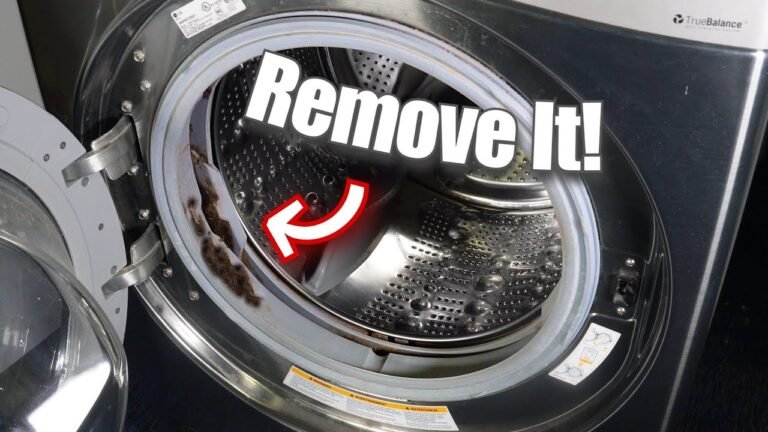
How To Clean Mold Out Of Washing Machine
Stop the Stink. Erase the Eyesore. How To Clean Mold Out Of Washing Machine.
Look, let’s cut the crap. Your washing machine smells. It’s probably got that funky, damp-basement odor. And if you’ve got a front-loader? You’re seeing it. That black, slimy growth creeping around the rubber seal. Mold. Mildew. Whatever you waa call it, it’s vile. And it’s gotta go. Honestly, ignoring it won’t make it disappear. It’ll just spread. Get in your clothes. Make your family sick. It’s a gross reality. But tackling how to clean mold out of washing machine isn’t rocket science. It just takes a little elbow grease and some common-sense chemicals. Forget those fancy, overpriced cleaners. We’re going old school. Bleach. Vinegar. Hot water. That’s all you need. The thing is, most people just dump detergent in and expect miracles. Wrong. Mold thrives in dark, moist environments. Your washing machine? Perfect breeding ground. Especially front-loaders. They trap water like a sieve. Top-loaders aren’t immune, though. Lint, detergent residue, fabric softener gunk – it all adds up. Creates a feast for mold. So, you’re not just cleaning for aesthetics. You’re cleaning for health. For your sanity. For your clothes not smelling like a swamp. We’re diving deep. No fluff. Just the facts. How to banish that black menace and keep it from coming back. It’s not pleasant, but someone’s gotta do it.

Why Your Washer’s a Moldy Mess
It’s simple biology, really. Mold spores are everywhere. In the air. On surfaces. When they land in a damp, dark place with food sources – boom. Growth spurt. Your washing machine offers all the amenities. Residual water trapped after cycles. Fabric softener and detergent buildup. Body oils and dirt from your clothes. It’s a buffet. Front-loaders are notorious. The rubber door seal traps moisture like nobody’s business. Plus, the way they’re designed, they don’t always drain completely. Water sits. Mold grows. Easy math. Top-loaders aren’t saints either. Lint traps get clogged. Undersides of agitators become mold farms. The dispenser drawers? Forget about it. They’re usually a sticky, gooey mess. A veritable mold petri dish. I remember helping my buddy Dave, years ago. His wife complained about this persistent musty smell. He swore he was cleaning the machine. Turns out? He was just ruing an ’empty hot cycle’ once a month. Didn’t touch the seal. Didn’t clean the drawer. Mold had taken over the whole damn thing. Looked like a horror movie inside.
:max_bytes(150000):strip_icc()/how-to-clean-mold-out-of-a-washing-machine-5207463-hero-a6d288e8b083441bbb064a5c0e03a9e8.jpg)
The Dirty Dozen: Stuff You Need
Forget buying some specialized ‘washing machine mold cleaner.’ Waste of money. Stick to what works. What you probably already have.
Bleach. The Heavy Hitter.
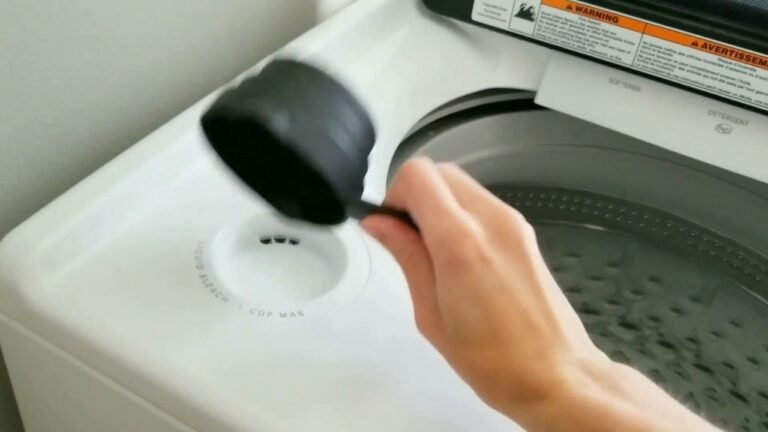
Chlorine bleach. The king of killing mold. It disinfects. It deodorizes. It gets the job done. Use about 1 cup. No more. No less. Too much can damage seals over time. Too little? Not effective. Always dilute it with water when wiping surfaces. Never mix bleach with vinegar or ammonia – that’s a chemical cocktail you don’t want to inhale. Seriously.

Vinegar. The Natural Assassin.
White distilled vinegar. Cheap. Effective. Less harsh than bleach. Use about 2 cups for a cleaning cycle. It’s great for breaking down soap scum and mildew. Plus, it helps neutralize odors. It’s my go-to for a less aggressive clean. Or as a follow-up to bleach.
Hot Water. The Heathen’s Friend.
Mold hates heat. Run your cleaning cycles on the hottest setting your machine offers. We’re talking ‘sanitize’ or ‘heavy duty’ if you’ve got it. Maximum temperature is key.
Microfiber Cloths. The Scrubbers.
Get a few. Good ones. Microfiber grabs dirt and mold better than cotton rags. You’ll need one for wiping down the seal and inside the drum. Another for the dispenser drawer. And maybe a third for good measure. You can wash these later. With bleach. To sterilize them.
An Old Toothbrush. The Detailer.
For getting into those nooks and craies. Around the dispenser. The edges of the seal. Where the mold hides. A stiff-bristled brush works wonders. Don’t use your good toothbrush. Obviously.
Gloves. The Protector.
Mold ain’t pretty. And bleach stings. Protect your hands. Disposable nitrile gloves are best. Keep your skin clean. And your nails from getting stained yellow.
Bucket. The Soaker.
For mixing cleaning solutions. And for soaking parts if you get real serious. A standard 5-gallon bucket will do. Just make sure it’s clean.
The Battle Plan: Step-by-Step Aihilation
Alright, enough talk. Time to get your hands dirty. Or, you know, gloved. This process assumes a front-loader, as they’re the most common mold magnets. But the principles apply to top-loaders too. Adjust accordingly.
Step 1: The Initial Wipe-Down. Pre-emptive Strike.
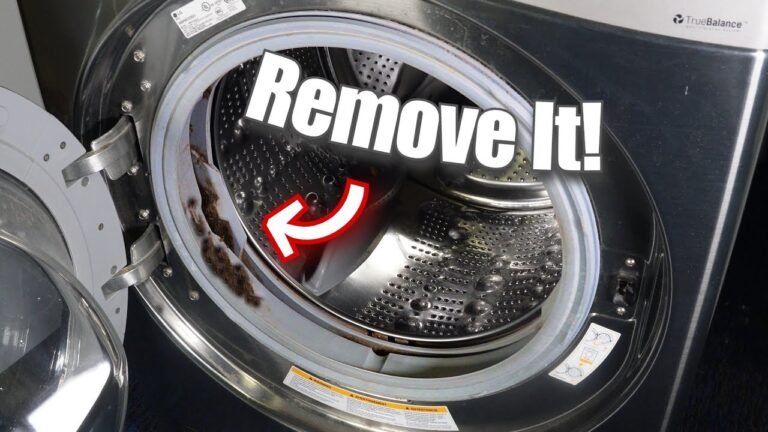
Open that door. Pull out the rubber seal. See the gunk? Grab your bleach solution – 1 part bleach to 4 parts water. Dunk a microfiber cloth. Wring it out so it’s damp, not dripping. Start wiping. Get into every fold. Every crevice. Don’t be shy. You’ll probably need several passes. If it’s really bad, let the damp cloth sit on the worst spots for 10 minutes. Then wipe again. You want to kill that surface mold before ruing a wash cycle.
Step 2: The Dispenser Drawer Deep Dive.
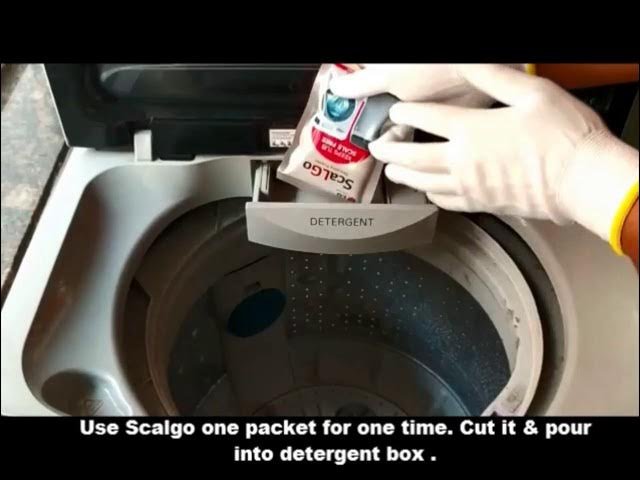
Pull the drawer completely out. Mine usually slides right out. Sometimes there’s a little release tab. Look for it. Once it’s out, soak it in hot, soapy water. Or a vinegar-water mix. Use that old toothbrush to scrub away any hardened residue. Pay attention to the little compartments for detergent and softener. Rinse thoroughly. Let it air dry or towel dry completely.
Step 3: The Drum Cleanse. The Main Event.
This is where the bleach or vinegar comes in. For a front-loader: Pour 1 cup of bleach directly into the detergent dispenser. OR, pour 2 cups of white vinegar directly into the drum itself. Do NOT mix bleach and vinegar. Pick one. Run the machine on its hottest, longest cycle. Heavy Duty. Sanitize. Whatever your machine calls the hottest, longest setting. Let it run its full course. No, don’t add clothes. This is a cleaning cycle. It’s goa sound weird, maybe smell a little strong. That’s the mold dying. That’s the chemicals working.
Step 4: The Exterior Polish.
While the machine is ruing its hot cycle, wipe down the exterior. Use a damp cloth with a little mild detergent. Get the control panel. The door glass. The top. Make it look less like a science experiment.
Step 5: The Second Drum Cleanse (Optional but Recommended).
After the first cycle finishes, inspect the drum. Is the mold gone? Any lingering smells? If it’s still not perfect, run another hot cycle. This time, use 2 cups of vinegar poured directly into the drum. If you used bleach the first time, vinegar now is a good idea to neutralize any residue. Again, hottest, longest cycle. Let it finish. This second run really gets rid of any remaining funk.
Step 6: The Final Wipe. Seal of Approval.
Once the second cycle is done, open the door. Wipe the drum dry with a clean microfiber cloth. Pay special attention to the rubber seal again. Get any last bits of moisture. Make sure the dispenser drawer is dry before you put it back in. Reinsert the clean, dry dispenser drawer.
Top-Loader Specifics: A Different Beast
For top-loaders, the process is similar but simpler. You won’t have that pesky rubber gasket to scrub. Focus on these points:
Fill and Soak
Fill the machine with hot water on the largest load setting. Add either 2 cups of bleach OR 4 cups of white vinegar. Let it agitate for a few minutes, then stop the cycle. Let it soak for at least an hour. The longer, the better. Overnight is fine.
Scrub and Drain
After soaking, restart the cycle. While it’s agitating, use your old toothbrush or a scrub brush to get at the agitator base and the inside walls. Get into any nooks and craies. Drain the dirty water. Run a rinse cycle with just plain hot water to get rid of any remaining cleaning solution.
Check the Filter
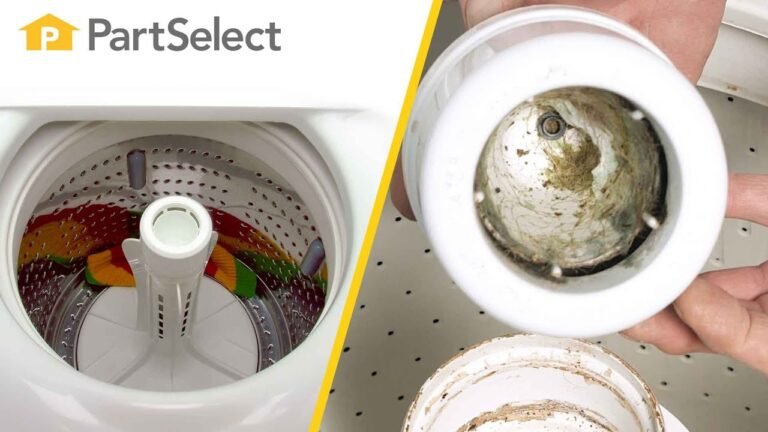
Many top-loaders have a small lint filter. Sometimes it’s inside the drum, sometimes it’s accessible from the outside. Make sure it’s clean. Clogged filters trap moisture and debris, feeding mold. Clean it out thoroughly.
Prevention is Better Than Cure. Trust Me.
Cleaning mold is a pain. Keeping it away? That’s the real win. It’s all about reducing moisture and cleaning residue. Simple stuff. But people get lazy.
Leave the Door Ajar. Always.
This is the golden rule, especially for front-loaders. After every wash, leave the door open. Just a crack. Let air circulate. Let moisture escape. If you have a pedestal, make sure there’s space. It sounds basic, but it makes a massive difference. I’ve seen people leave their washers closed up tight for days. Madness.
Wipe the Seal Regularly. Daily if Possible.
Get in the habit. A quick wipe of that rubber gasket after unloading laundry. Takes 30 seconds. Prevents 90% of the buildup. A dry microfiber cloth is usually enough. If you see any moisture, get it.
Use the Right Detergent. Less is More.
High-efficiency (HE) machines need HE detergent. Using too much regular detergent creates excess suds. These suds trap moisture. They leave residue. That residue feeds mold. Follow the manufacturer’s instructions. Honestly, often half the recommended amount is plenty.
Skip the Fabric Softener. Seriously.
Liquid fabric softener is a known culprit for residue buildup. It coats the inside of your machine. Creates a sticky film. Mold loves it. Use dryer sheets instead. Or wool dryer balls. Or just skip it altogether. Your clothes won’t spontaneously combust, I promise.
Run a Hot Cycle Monthly.
Once a month, run an empty hot water cycle. You can add a cup of vinegar or a specialized washing machine cleaner tablet. This helps flush out any accumulated gunk before it becomes a problem. A little maintenance goes a long way.
Ventilate the Laundry Area.
Is your laundry room a sauna? Improve ventilation. Open a window. Use an exhaust fan. Make sure the dryer vent is clear and not blowing hot, moist air back into the room. Reduce overall humidity.
Clean the Filter. If You Have One.
Check your machine’s manual. Locate the lint filter or pump filter. Clean it out every few months. This prevents blockages that trap water.
Mold vs. Mildew: What’s the Difference?
People throw these terms around. Mold and mildew are both types of fungi. They grow in damp environments. Mildew typically appears as a flat, powdery or powdery-grayish surface growth. Think of the stuff on shower curtains. Mold, on the other hand, can be black, green, blue, or white. It often has a fuzzy or slimy texture. It can grow deeper into materials. Both are bad for your health. Both need to be cleaned. The cleaning methods are largely the same, though mold might require more aggressive treatment.
A Quick Look at Machine Types
Let’s break down the common offenders.
Front-Loaders: The Moldy Monarchs
These are the worst offenders for mold. The door seal is the primary target. Water gets trapped easily. The design often doesn’t allow for complete drainage. You’ll see mold here most often. Regular cleaning of the seal is paramount. Leaving the door ajar is non-negotiable.
Top-Loaders: Not Immune
While they don’t have the same sealing issue, mold can still form. Under the agitator. In the lid’s rubber stripping. In the dispenser drawers. Lint buildup is a bigger problem here. Regular cleaning cycles and checking the lint filter are key.
The Price of Neglect: What Happens If You Don’t Clean?
Beyond the gross factor? Your clothes won’t get truly clean. They’ll come out smelling musty. You might develop respiratory issues or allergies from inhaling spores. The mold can start to degrade the rubber and plastic components of your machine, leading to costly repairs. Eventually, the smell permeates everything. Your laundry room. Your home. It’s a downward spiral. I had a client once, Mrs. Henderson, bless her heart. Complained her towels always smelled. She’d bought a new machine just 2 years prior. Insisted it was the towels. Turned out? Her front-loader was practically growing its own ecosystem. Black mold everywhere. She’d never once cleaned the seal. Never left the door open. Paid a fortune for ‘better’ detergent. The irony. Took me three hours to get it semi-decent. She was mortified. Now she wipes it down daily. Leaves the door open. No more smelly towels.
Table: Cleaning Schedule Breakdown
| Task | Frequency | Notes |
|---|---|---|
| Wipe Door Seal & Drum Interior | After each load / Daily | Use dry cloth. Damp cloth if needed. |
| Leave Door Ajar | After each load | Crucial for front-loaders. |
| Clean Dispenser Drawer | Monthly | Soak and scrub. Ensure dry before reinserting. |
| Run Hot Cleaning Cycle (Bleach or Vinegar) | Monthly | Hottest, longest cycle. |
| Clean Lint Filter (if applicable) | Every 3-6 Months | Check manual for location and procedure. |
Final Thoughts: Conquer the Funk
Look, nobody enjoys cleaning their washing machine. It’s a dirty job. But it’s necessary. You’ve got the tools. You’ve got the method. Stop letting that mold win. Implement these steps. Make prevention a habit. Your nose will thank you. Your lungs will thank you. Your clothes will thank you. It’s a battle, sure. But it’s one you can win. Just gotta get after it. Don’t be a Dave. Or a Mrs. Henderson. Be the person who tackles the problem head-on. Keep it clean. Keep it healthy. Simple as that. Now go forth and conquer that mold.
Frequently Asked Questions
Can I just spray bleach in my washing machine?
No. Never just spray undiluted bleach directly into the drum or onto seals without wiping. It can damage rubber components over time. Always dilute bleach with water for wiping, or use it in a hot water cycle as directed.
How often should I clean my washing machine for mold?
For heavy mold issues, you might need to do a deep clean weekly for a month. For maintenance and prevention, a monthly deep clean cycle combined with daily wiping of the seal is usually sufficient.
Is vinegar or bleach better for cleaning washing machine mold?
Bleach is generally more effective at killing mold and mildew. Vinegar is a good alternative for less severe cases or for neutralization. Never mix them.
My washing machine still smells after cleaning. What now?
It might take more than one cleaning cycle. Ensure you’re getting into all the nooks and craies, especially the rubber seal. Check the drain pump filter for clogs or trapped debris. Make sure the machine is completely dry after cleaning.
Can mold from my washing machine make me sick?
Yes. Mold spores can become airborne during the wash cycle. Inhaling them can trigger allergic reactions, asthma symptoms, or other respiratory problems, especially in sensitive individuals.
Watch: How to Remove Mold from a Washing Machine Door Seal