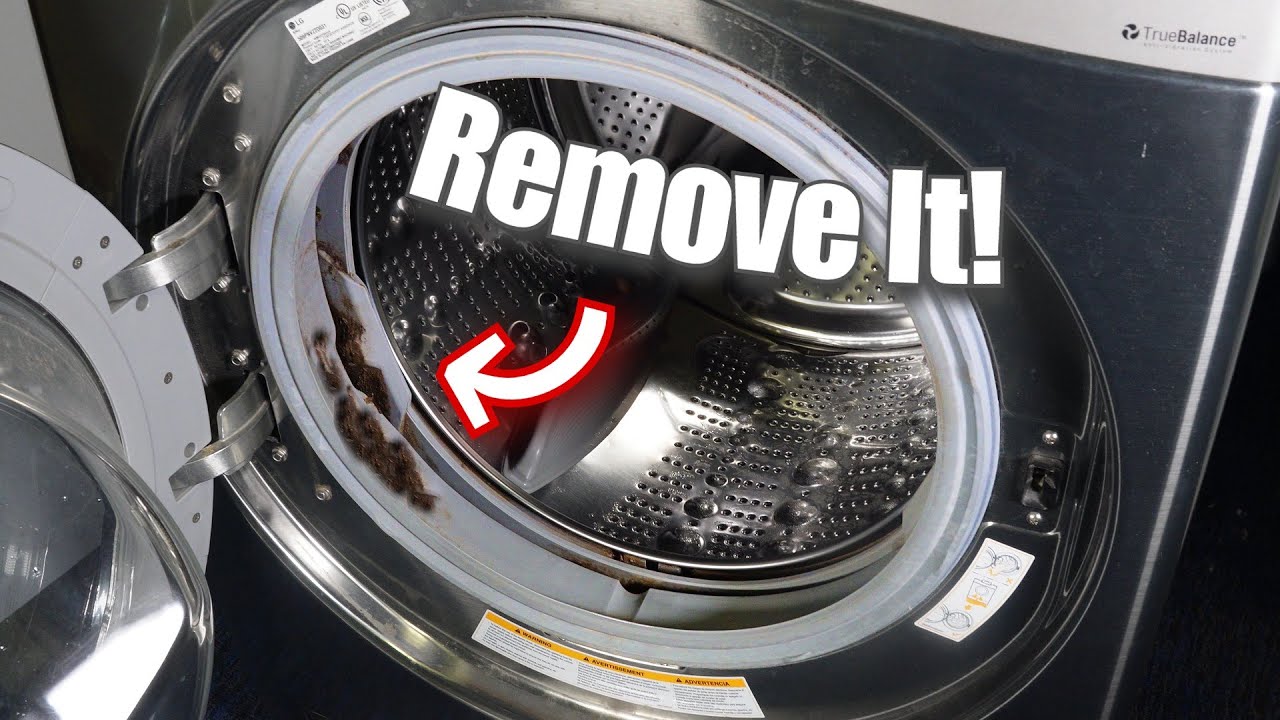
Don’t Let Your Washer Turn Into A Biohazard. How To Clean Washing Machine With Mold. For Real.
Look. You bought a washing machine to clean clothes. Not to grow a science experiment in. That fuzzy, black, or sometimes greenish gunk? That’s mold. And it’s making your clean clothes smell… not clean. Honestly, it’s gross. And it’s a health hazard. Stop ignoring it.

The thing is, washing machines are damp environments. Perfect petri dish. Especially front-loaders with those stupid rubber door seals. They trap water. They trap lint. They trap… everything. And before you know it, you’ve got a mold farm.

My first front-loader? 2008 model. Paid a fortune. And within 6 months, it smelled like a swamp creature died in there. Took me weeks to figure out what was wrong. Weeks of sniffing my “clean” laundry and wondering if I was going insane. Spoiler: I wasn’t. The machine was.
The Grim Reality of Moldy Machines
Mold spores? They get everywhere. In the air. On your clothes. In your lungs. For some people, that’s a recipe for asthma attacks. Allergies. General misery. You’re spending money on detergent, on electricity, and you’re ending up with dirtier clothes. Makes sense, right? No.
Front-loaders are the worst offenders, to be fair. That gasket around the door? It’s a trap. Water pools. Lint collects. Food particles? Sometimes. Don’t ask me how. It’s a perfect storm for mold city. Top-loaders aren’t immune, though. Mold loves the drum, the agitator, even the dispenser drawers.
My First Moldy Machine Memory
I remember this one time, I pulled out a load of towels. Smelled… damp. Not fresh. Damp. I thought maybe I left them in too long. So I re-washed them. Same damn smell. Then my wife walks in, takes a deep breath, and says, “What is that god-awful smell?” That was the day I decided to wage war on the washing machine mold.
Gear Up. It’s Time to Fight.
You can’t just wipe it down and call it a day. This needs a proper deep clean. You need actual cleaning agents. Not just some fancy “eco-friendly” pods that don’t do squat.
What You’ll Actually Need:
- Bleach: Yeah, I said bleach. The strong stuff. For the machine cycle. About 2 cups.
- Vinegar: White distilled vinegar. For the gasket and drawers. About 1 cup.
- Scrub Brush: Something stiff. Not a toothbrush. Think grout brush.
- Microfiber Cloths: Lots of ’em. For wiping down everything.
- Gloves: Protect your hands. Bleach is nasty.
- Mask: Optional, but recommended if you’re sensitive. Spores fly.
Phase 1: The Bleach Bomb Cycle
This is for the machine itself. The guts. The part you can’t easily reach.
- Empty Everything: Clothes, loose items, lint trap if you can. Get it all out.
- Add Bleach: Pour about 2 cups of liquid chlorine bleach directly into the drum. Yes, the drum. Forget the dispenser for now.
- Run the Hottest Cycle: Use the hottest water setting your machine has. Longest cycle. Heavy duty. Make it work.
- Wait. Let it Roam: Let the cycle finish. All the way. Don’t open it early. Let that bleach work its magic. Or… its nastiness. Whatever.
My neighbor, bless his heart, tried using essential oils. Said it was natural. The machine smelled like a Christmas tree died in it for a week. And the mold? Still there. Stick to the bleach, people.
Phase 2: The Gasket Gauntlet
This is where the real horror show usually lives. That rubber seal. It’s vile.
- Mix it Up: Get a 1:1 mix of white vinegar and water in a bowl. Or use straight vinegar if you’re brave.
- Soak and Scrub: Dip your scrub brush or a cloth into the vinegar solution. Get in there. Really dig into the folds of the gasket.
- Pull and Wipe: You’ll need to gently pull back the rubber seal to get the crud underneath. Use your gloved hand and a cloth. It’s goa be gross. Expect black gunk. Possibly slimy.
- Repeat Until Clean: Keep scrubbing and wiping until you’re not seeing black anymore. This might take a while. Patience, you impatient sod.
I once found a stray sock from a load I’d done months prior, hiding in the gasket. Months. It was… an experience.
Phase 3: Dispenser Drawer Deep Dive
These things are often overlooked. Little nooks and craies perfect for mold.
- Remove the Drawer: Most pull straight out. Some have little clips. Consult your manual if you’re lost.
- Soak if Necessary: If it’s really bad, soak it in hot, soapy water or that vinegar solution for 30 minutes.
- Scrub Everything: Use your brush. Get into every compartment. Rinse thoroughly.
- Dry and Replace: Make sure it’s completely dry before putting it back. Water breeds mold, remember?
Phase 4: The Final Wipe-Down
Don’t forget the door glass and the exterior.
- Vinegar Spray: Use your vinegar/water mix. Spray the inside of the door, the glass, the control panel.
- Wipe Clean: Use a fresh microfiber cloth. Get it all shiny.
- Dry Off: Give everything a final wipe with a dry cloth.
Keeping the Mold Monster at Bay
Cleaning it once is great. Stopping it from coming back? That’s the real win. And it’s not that hard.
Prevention is Key
- Leave the Door Ajar: ALWAYS. After every wash. Let that air circulate. Especially front-loaders. Don’t seal them shut like a tomb.
- Wipe the Gasket Regularly: A quick swipe with a dry cloth after each load. Takes 10 seconds. Seriously.
- Remove Clothes Promptly: Don’t let wet clothes sit in there festering. Get ’em out. Hang ’em up. Dry ’em.
- Use Less Detergent: Too much soap leaves residue. Residue feeds mold. Use the HE stuff. Use less of it.
- Skip Fabric Softener: Those liquids leave a coating. Another mold buffet. Use vinegar or wool dryer balls instead.
- Run a Hot Cycle Monthly: Just like we did in Phase 1. A monthly bleach or vinegar cycle keeps things flushed out.
- Ventilation Matters: If your laundry room is a sauna, open a window or use a fan. Stale, humid air is mold’s best friend.
I was lazy about leaving the door open for years. Thought it was a myth. Then I’d have to do this whole cleaning routine every six months. Started leaving it open? Haven’t had a major mold issue in two years. It’s that simple.
A Comparison of Cleaning Agents (For Your Sanity)
| Agent | Pros | Cons | Best For |
|---|---|---|---|
| Bleach | Kills mold effectively. Cheap. Widely available. | Harsh fumes. Can damage some materials. Needs dilution. | Machine cycle cleaning. Stubborn mold. |
| Vinegar | Natural disinfectant. Deodorizes. Safe for most materials. | Less potent than bleach. Fumes can be strong. | Gaskets, dispensers, light cleaning. |
| Hydrogen Peroxide (3%) | Antifungal, antiviral. Less harsh fumes than bleach. | Can bleach colors. Less common household item. | Spot treating mold. Sensitive machines. |
| Commercial Cleaners | Formulated specifically for washers. Often easy to use. | Can be expensive. May contain harsh chemicals. | Convenience. Specific mold types. |
Frequently Asked Questions
How do you get rid of black mold in the washing machine?
Black mold needs a serious approach. Start with the Bleach Bomb Cycle (Phase 1). Then, tackle the gasket and dispensers with a strong vinegar or bleach solution (Phase 2 & 3). Regular cleaning and leaving the door open are crucial for prevention. If it’s really extensive, consider calling a professional, but honestly, this method usually does the trick.
How to clean mold inside washing machine drum?
The drum is where the Bleach Bomb Cycle comes in. Pouring bleach directly into the drum and ruing a hot, long cycle is the most effective way to sanitize it. Follow up with a vinegar rinse cycle if you want extra deodorizing power. Make sure to wipe down the door and gasket afterward, as spores can transfer.
What is the best cleaner to remove mold from a washing machine?
For effectiveness and accessibility, chlorine bleach is hard to beat for the actual machine cleaning cycle. For the rubber gaskets and less severe issues, white vinegar is a fantastic, less harsh alternative. Commercial washing machine cleaners are also effective but often more expensive. The key isn’t just the cleaner, it’s the thoroughness of the cleaning process.
Can mold in a washing machine make me sick?
Yes, it absolutely can. Mold spores released into the air can trigger allergies, asthma attacks, and other respiratory problems, especially in sensitive individuals. Ingesting mold or having prolonged exposure can lead to more serious health issues. That’s why tackling moldy washing machines is not just about aesthetics; it’s a health necessity.
How often should I clean my washing machine to prevent mold?
A deep clean, like the one described here, should be done at least once every 3-6 months, depending on usage and humidity. More importantly, implement the Prevention is Key habits daily: leave the door open, wipe the gasket, and remove clothes promptly. These small, consistent efforts are far more effective than a single deep clean.
Watch: How to Remove Mold from a Washing Machine Door Seal

With over 15 years of hands-on experience in the appliance repair industry, Erick Jackson is WashingMachineCare’s resident gearhead. He holds multiple manufacturer certifications and specializes in breaking down complex mechanical failures into easy, step-by-step DIY fixes. When he’s not covered in grease, Erick Jackson enjoys restoring vintage washing machines to their former glory.