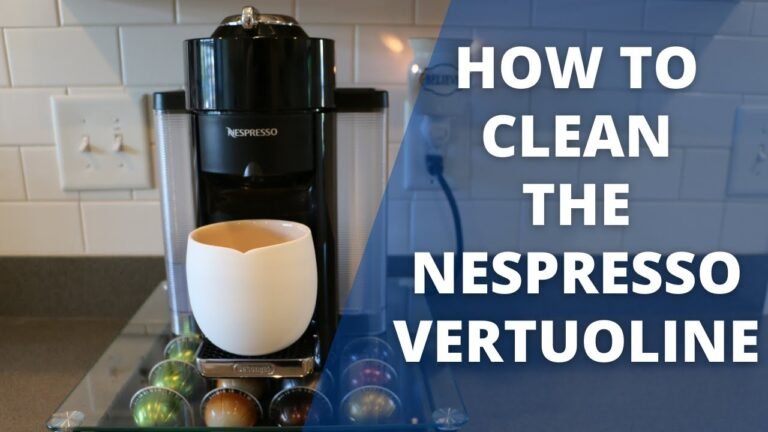
How Often To Clean Nespresso Machine
Stop Treating Your Nespresso Like Some Sacred Relic. Clean It.
Look, you bought a Nespresso. High five. You probably think you’re fancy now, right? Sipping espresso like you own a vineyard in Tuscany. But here’s the ugly truth: that expensive little puck-chucker is a breeding ground for nasties if you don’t get off your ass and clean it. Honestly, the number of people who treat their Nespresso like it’s self-cleaning is astounding. It ain’t. Not even close. You waa know how often to clean Nespresso machine? More than you’re probably doing it. That’s the short, brutal answer.
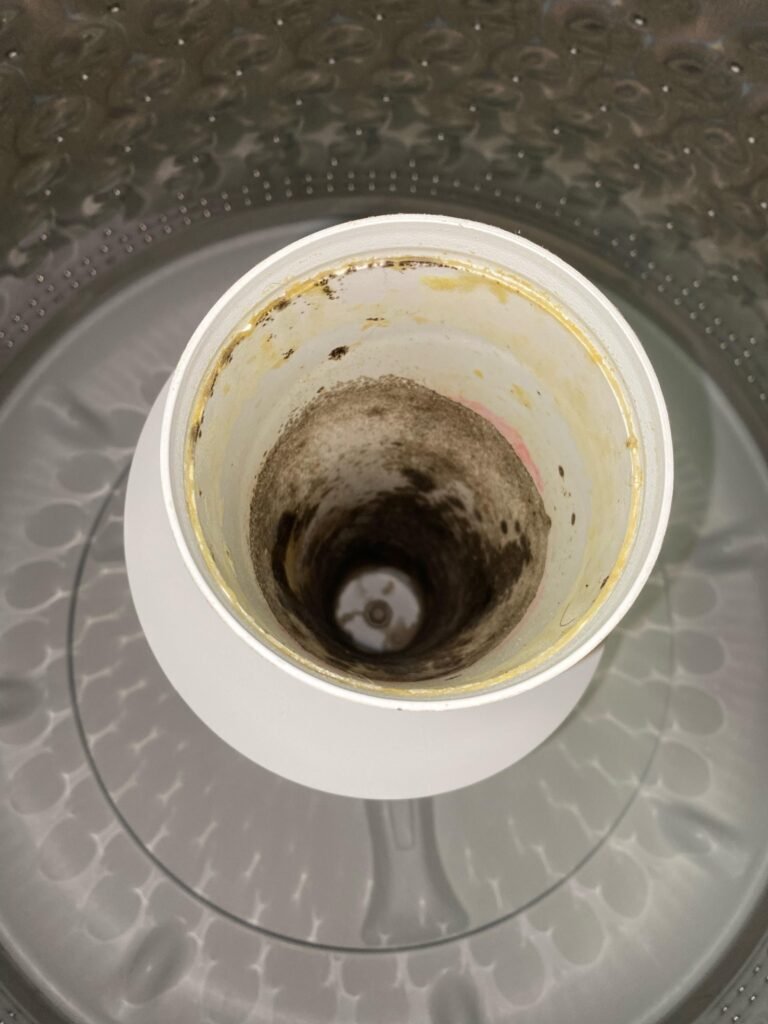
The thing is, coffee oils. They build up. They go rancid. They taste like despair. Then there’s the water scale. That’s mineral gunk. It clogs your machine. It makes your coffee taste like chalk. And if you’re using it for milk drinks? Forget about it. You’re basically brewing science experiments. I once found a mold colony in a friend’s Aeroccino. Looked like a tiny, fuzzy alien. He hadn’t cleaned it in months. Months! He’s lucky he didn’t sprout extra limbs.
The Bare Minimum: What You CAN’T Skip
Daily Wipe-Down: It Takes 30 Seconds, You Slug.
Seriously. Thirty seconds. After every use, toss the pod. Wipe the drip tray. Wipe the spout. Done. It’s not rocket science. It prevents the immediate grossness from setting in. Don’t be that person who leaves a used pod sitting there, festering.
Weekly Rinse: Get Serious.
Once a week, the water tank. Give it a good rinse. Maybe a scrub with some soapy water if you’re feeling ambitious. The drip tray? A proper wash. Soap and water. Get the gunk out. This isn’t optional. It’s basic hygiene. Remember that friend with the fuzzy Aeroccino? This is where he failed. Miserably.
Deep Dive: How Often To Clean Nespresso Machine (Really)
Monthly Flush: The Essential Internal Clean
This is where we get into the real cleaning. Once a month, run a cleaning cycle. If your machine has one, use it. If not, just run a few water-only cycles. Empty the water tank, refill with fresh water, and let it rip. This flushes out loose debris and coffee oils that the daily wipe-down misses. It’s about maintaining that pristine flavour. And preventing a small ecosystem from taking root.
Descaling: The Big Kahuna
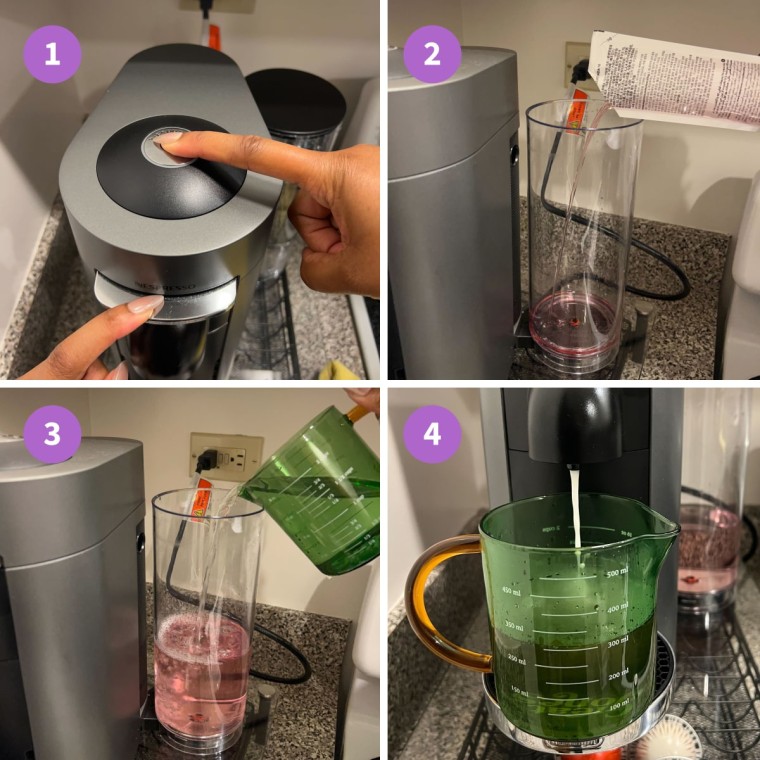
This one’s less frequent but WAY more important. Descaling. It’s not just ‘cleaning.’ It’s removing the hard water mineral build-up. You need a descaling solution. Nespresso sells their own kit, which is fine. Or you can use a good quality generic one. Don’t get cute with vinegar; it can wreck your machine’s iards. The frequency depends on your water. Hard water? Maybe every 2-3 months. Soft water? Every 6 months. Honestly, it’s better to do it too often than not enough. Think of it as preventative maintenance. You wouldn’t skip oil changes on your car, would you? Same principle here. A clogged machine makes bad coffee. And bad coffee is a crime.
Nespresso Machine Cleaning Schedule: A No-Nonsense Guide
Let’s break it down. No fluff. Just the facts.

| Task | Frequency | Why Bother? |
|---|---|---|
| Daily Wipe (Pod, Tray, Spout) | After every use | Prevents immediate grossness. Basic maers. |
| Weekly Rinse (Tank, Tray Wash) | Once a week | Keeps mould and bacteria at bay. Maintains taste. |
| Monthly Flush (Water-only cycles) | Once a month | Clears internal coffee oils and loose debris. |
| Descaling (Using solution) | Every 2-6 months (water dependent) | Removes mineral build-up, prevents clogs, ensures flavour. |
Cleaning Milk Systems: If You’re Not Lazy
This deserves its own section because, let’s face it, most people are too lazy. If you have an Aeroccino or any integrated milk frother, clean it IMMEDIATELY after use. Rinse the parts. Wash the carafe. Don’t let milk solids dry. They turn into cement. Then you’ve got a rancid milk smell that’ll haunt your kitchen. Seriously, I knew a guy who bought a new Aeroccino every six months because he’d trash the old one. What a waste of money.
Signs Your Nespresso Machine Is Screaming for Help
Water Flow Problems: It’s Sputtering, Not Flowing
If your espresso is dribbling out like an old man with a prostate issue, something’s wrong. It could be scale build-up or clogged coffee oils. The machine’s working harder. It sounds rough. It’s telling you to clean it, you oblivious buffoon.
Weird Smells: That’s Not Your Fancy Roast
Your coffee should smell like coffee. If it smells musty, sour, or vaguely like a gym sock, then congratulations! You’ve cultivated a microbial garden. Time for a deep clean and probably a descaling. Don’t ignore smells. Your nose knows.
Taste Gone South: Bitter, Weak, or Just… Off
/how-to-clean-a-nespresso-machine-7559177-hero-02-d8f903d867cb4452aca82f135479d420.JPG)
This is the ultimate tell. If your espresso tastes terrible – bitter, watery, or just plain wrong – your machine is the culprit. Old oils, mineral deposits, and bacteria all mess with flavour. Cleaning isn’t just about looks; it’s about taste. It’s about the whole damn point of owning a Nespresso!
Machine Acting Up: Strange Noises, Leaks
Listen to your machine. Is it making grinding noises it never did before? Is water pooling underneath? These are physical symptoms of internal blockages or issues caused by neglect. Fix it before it dies completely. Repairing these things costs money. Cleaning is free-ish.
Frequently Asked Questions
What happens if you don’t clean your Nespresso machine?
If you don’t clean your Nespresso machine, you’re asking for trouble. Coffee oils will go rancid, making your espresso taste awful. Mineral deposits from your water will build up, clogging the internal pipes and heating elements. This leads to reduced water flow, inconsistent temperatures, and eventually, machine failure. Plus, you risk growing bacteria and mold, which is just disgusting and a health hazard. It’s a recipe for bad coffee and a broken machine. Honestly, it’s just lazy.
What are the signs my Vertuo needs cleaning?
Your Vertuo will tell you when it needs cleaning. Look for these signs: the coffee flow slows to a trickle or sputters instead of a smooth stream. Your espresso starts tasting bitter, weak, or just ‘off’ – a clear sign of oil or scale interference. You might notice unusual noises as the pump struggles. Sometimes, you’ll see water leaking from the base. And the most obvious? A musty or sour smell coming from the machine or your coffee. Don’t ignore these warnings.
How often should I descale my Nespresso machine?
The frequency of descaling depends heavily on your water hardness. Nespresso generally recommends descaling every 3 months for hard water areas and every 6 months for softer water areas. However, pay attention to your machine. If you notice slower brewing, strange noises, or inconsistent temperature, it’s time to descale, regardless of the calendar. Using filtered water can extend the time between descaling sessions.
Can I use vinegar to descale my Nespresso machine?
Absolutely not. While vinegar is a common household cleaner, it’s a big no-no for Nespresso machines. The acidity of vinegar can damage the delicate internal components, rubber seals, and plastic parts of your Nespresso. This damage can be irreversible and lead to leaks or even complete machine failure. Stick to Nespresso’s recommended descaling solution or a commercially available alternative specifically designed for coffee machines. Trust me, the risk isn’t worth it.
Is cleaning and descaling the same thing?
No, cleaning and descaling are not the same, though they are both crucial for machine maintenance. Cleaning typically refers to removing coffee oils, grounds, and general grime from the external parts, drip tray, and water tank. This is usually done with soap and water and keeps the machine hygienic and free from immediate build-up. Descaling, on the other hand, specifically targets the removal of mineral deposits (limescale) that accumulate inside the machine from your water. This process requires a descaling solution and is vital for maintaining proper water flow, heating efficiency, and the longevity of the machine’s internal components.