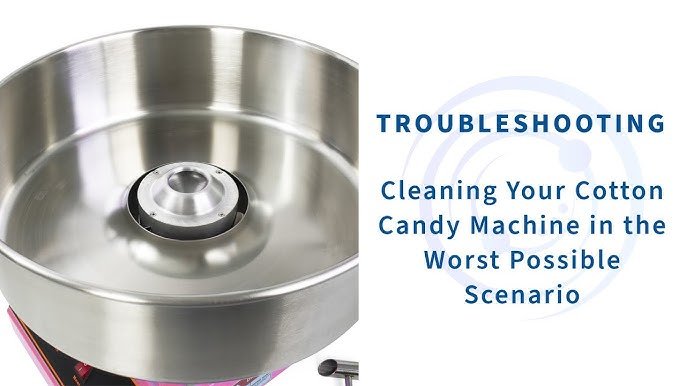
The Sticky Truth: How To Clean Candy Floss Machine Like You Mean It
Alright, let’s cut the crap. You bought a candy floss machine. Probably for a party. Maybe for a kid’s birthday. Or maybe you’re one of those weirdos who likes sugar clouds year-round. Whatever your sad, sweet story, you’ve got a mess. A sticky, syrupy, downright gross mess. And if you don’t know how To Clean Candy Floss Machine, you’re in for a world of hurt. And bugs. Definitely bugs.
Look, this ain’t rocket science. But it ain’t exactly a walk in the park either. These things get nasty. Fast. That sugar caramelizes, hardens, and sticks like superglue. Ignore it, and that machine becomes a science experiment. Nobody wants that. Especially not at your next event. Trust me on this one.
First Things First: Prep Your Mess
Before you even THINK about scrubbing, you gotta get smart. Turn that damn thing off. Unplug it. Seriously. Don’t be the idiot who electrocutes themselves over a sugar rush. Let it cool down. That heating element gets hotter than a dragon’s breath. Burn yourself and your story ends before it begins. You want clean floss, not third-degree burns.
Gather your ammo. You’ll need hot water, dish soap, a non-abrasive sponge or cloth, maybe some vinegar for the stubborn bits. Paper towels. Buckets. Whatever it takes. Don’t be stingy with the supplies. A clean machine is a happy machine. A dirty one is a health hazard.
The Wipe-Down: Phase One
Okay, it’s cool. It’s unplugged. You got your gear. Start with the easy stuff. The exterior. Wipe it down. Get the fingerprints, the stray sugar dust. Make it look presentable. This is the ‘front stage’ cleaning. Low effort, high visual impact. For now.

The Sugar Bowl: Dealing With the Core
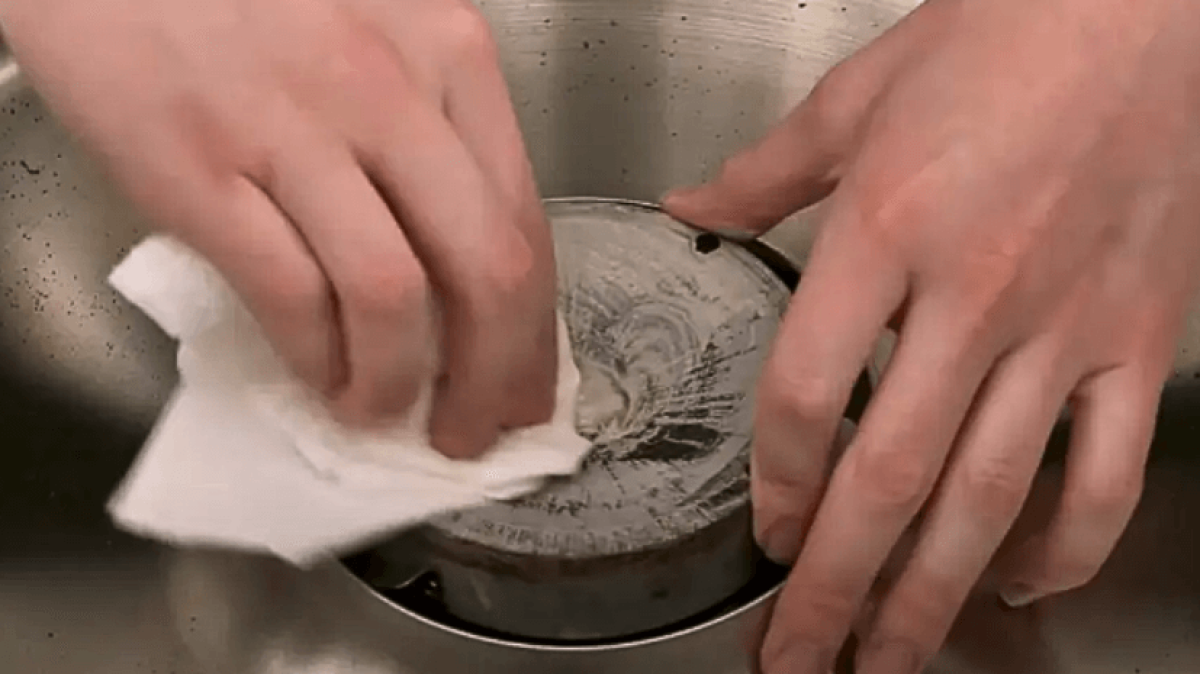
This is where the real battle begins. The spiing head. The part that actually makes the magic happen. It’s probably caked. This is the heart of the problem. You gotta loosen that hardened sugar. Some folks say run it for a minute. I say, if it’s really bad, manual labor wins. The thing is, heat can make some gunk worse.
Use a damp cloth. Gentle. Work in circles. Don’t go crazy with the pressure. You don’t want to scratch the metal. Or break anything. That’s the last thing you need. A broken machine? That’s a whole new nightmare. One I’m not going to cover today. We’re talking cleaning, remember?
Watch: Life After Jello – Deep Cleaning a Vortex/Vivo Cotton Candy …
The Deep Dive: Tackling the Guts
Now for the parts you can actually remove. The bowl. The cone. The spier head itself. These are usually the worst offenders. Soak them. Hot, soapy water. Let that sugar loosen up. For stubborn spots, a little vinegar solution can work wonders. Honestly, it’s a lifesaver. Just rinse thoroughly afterward. You don’t want your cotton candy tasting like salad dressing.
I remember one time, back in ’08, I was at this summer fair. The cotton candy vendor was using a machine that looked like it hadn’t been cleaned since the Reagan administration. Little brown bits were flying off into the floss. Kids were eating it. I nearly puked. Don’t be that vendor. Please.

Rinsing and Repeating (Literally)
After soaking and scrubbing, you gotta rinse. Rinse everything. And I mean everything. Use clean water. Get all the soap residue off. Get all the loosened sugar off. If you miss a spot, that sugar will bake right back on next time. It’s a vicious cycle. And nobody has time for that.
Dry it. All the parts. Use clean towels. Don’t let water sit. Especially on metal parts. Rust is the enemy. It’s ugly. It’s bad for your machine. It’s just… gross. Make sure everything is bone dry before you even think about putting it back together.
Watch: Cleaning Cotton Candy machine
Reassembly: The Grand Finale
Putting it all back together is the easy part. Just reverse the disassembly. Make sure everything clicks into place. Seat properly. No wobbly bits. Give it a final once-over. Make sure no tools or cleaning rags are lurking inside. You’d be surprised how often that happens.

Now, here’s a pro tip. Leave the machine out for a bit. Let it air dry completely. Even after towel drying. Just give it an hour or two. Let nature do its thing. Then, maybe, put it away. Or better yet, use it again. Immediately. Because why not?
Maintenance: Don’t Be Lazy
The thing is, cleaning is only half the battle. You gotta do it regularly. Don’t wait until it’s a disaster zone. After every use? Wipe it down. A quick clean. Loosen any fresh sugar before it hardens. This saves you major headaches later. Trust me. My neighbor’s kid’s party in 2019 turned into a sticky nightmare because they just shoved the machine in the garage.
Here’s a quick look at what you should be aiming for:

| Frequency | Task | Notes |
|---|---|---|
| After Each Use | Wipe down exterior, clean spiing head (quick wipe) | Preventative measure. Use damp cloth. |
| Every 3-5 Uses (or when visibly dirty) | Deep clean removable parts (bowl, cone, spier) | Soak in hot, soapy water. Use vinegar for tough spots. |
| Monthly (or seasonally if used rarely) | Full machine inspection, deep clean all components, check heating element | Ensure all parts are dry and free of rust/debris. |
See? Not that hard. If you treat it right, your machine will last. It won’t turn into a sticky, sugary fossil. And your candy floss will actually taste like sugar, not like regret and old metal.
Watch: Cleaning a Cotton Candy Machine
Troubleshooting Common Gunk
Sometimes, even with diligent cleaning, you hit a wall. Hardened sugar is no joke. If you’ve tried everything and it’s still stuck, don’t resort to steel wool. You’ll ruin the finish. Instead, try a heat gun on a low setting, carefully applied from a distance. Or revisit the vinegar soak. Let it sit longer. Patience, man. Patience.
I once had a machine, an old Sunbeam model from the 70s, that was practically fused. Took me three days. Three days of soaking, gentle scraping, and a lot of cursing. But I got it clean. And the floss that came out? Perfection. So it can be done. You just gotta commit.
Storage: Keep it Clean, Keep it Safe
Once it’s sparkling clean and bone dry, store it properly. Keep it in a dry place. Away from moisture. Moisture is the enemy of all things metal. Put it in its original box if you still have it. Or find a good storage container. Protect it from dust. Protect it from accidental spills. The goal is to keep it as clean as possible between uses.
Don’t just shove it in a damp basement corner. That’s asking for trouble. Think of it like a delicate musical instrument. Treat it with respect. It’ll reward you with sweet, fluffy goodness. Ignore it? You’ll get a rusty, sticky paperweight. Your call.
Frequently Asked Questions
How do I deep clean my candy washing machine?
Deep cleaning involves disassembling removable parts like the bowl, spier head, and cone. Soak these parts in hot, soapy water. For stubborn, hardened sugar residue, a solution of white vinegar and water can be effective. Scrub gently with a non-abrasive sponge or cloth. Ensure all parts are thoroughly rinsed with clean water to remove all soap and vinegar traces. Finally, dry all components completely with clean towels before reassembly.
Can I use a dishwasher to clean my candy floss machine parts?
Generally, no. Most candy floss machine parts are not dishwasher safe. The high heat and harsh detergents can damage the materials, warp components, or remove protective coatings. Hand washing with warm, soapy water is the recommended and safest method to preserve your machine’s integrity and performance.
How often should I really clean my candy floss machine?
Ideally, you should perform a quick wipe-down of the spiing head and exterior after every single use to prevent sugar build-up. A more thorough deep clean of the removable parts should happen every 3-5 uses, or whenever you notice significant sticky residue. Regular cleaning prevents major build-up, making future cleans easier and ensuring better-tasting candy floss.
What’s the best way to remove burnt sugar from the heating element?
For burnt sugar on the heating element, which can be tricky, start by unplugging the machine and letting it cool completely. Gently try to wipe away loose residue with a dry cloth. If it’s stubborn, you can try a paste made of baking soda and water, applied carefully and left for a short period before gently wiping away. NEVER use abrasive cleaners or tools directly on the heating element, as this can damage it. Sometimes, ruing the machine briefly at high heat after a wipe-down can help loosen minor residue, but always unplug it immediately afterward.
My candy floss machine smells weird, what should I do?
An unusual smell usually indicates lingering sugar residue that has started to degrade or attract bacteria. A thorough deep clean is definitely in order. Pay extra attention to cleaning the spiing head and the areas where sugar collects. After cleaning and drying, leave the machine to air out in a well-ventilated area for a few hours. If the smell persists, it might be time to inspect for any unseen mold or mildew, especially if the machine was stored improperly in a damp environment.

Mary Snodgrass oversees all content at WashingMachineCare.com with a keen eye for detail and consumer advocacy. Spending over a decade in appliance retail management, he knows the industry tricks and which brands actually stand the test of time. Mary Snodgrass buying guides help readers navigate confusing spec sheets to find the perfect washer for their household needs and budget.