Stop The Stink: How To Clean Bath Mat Without Washing Machine Like A Pro
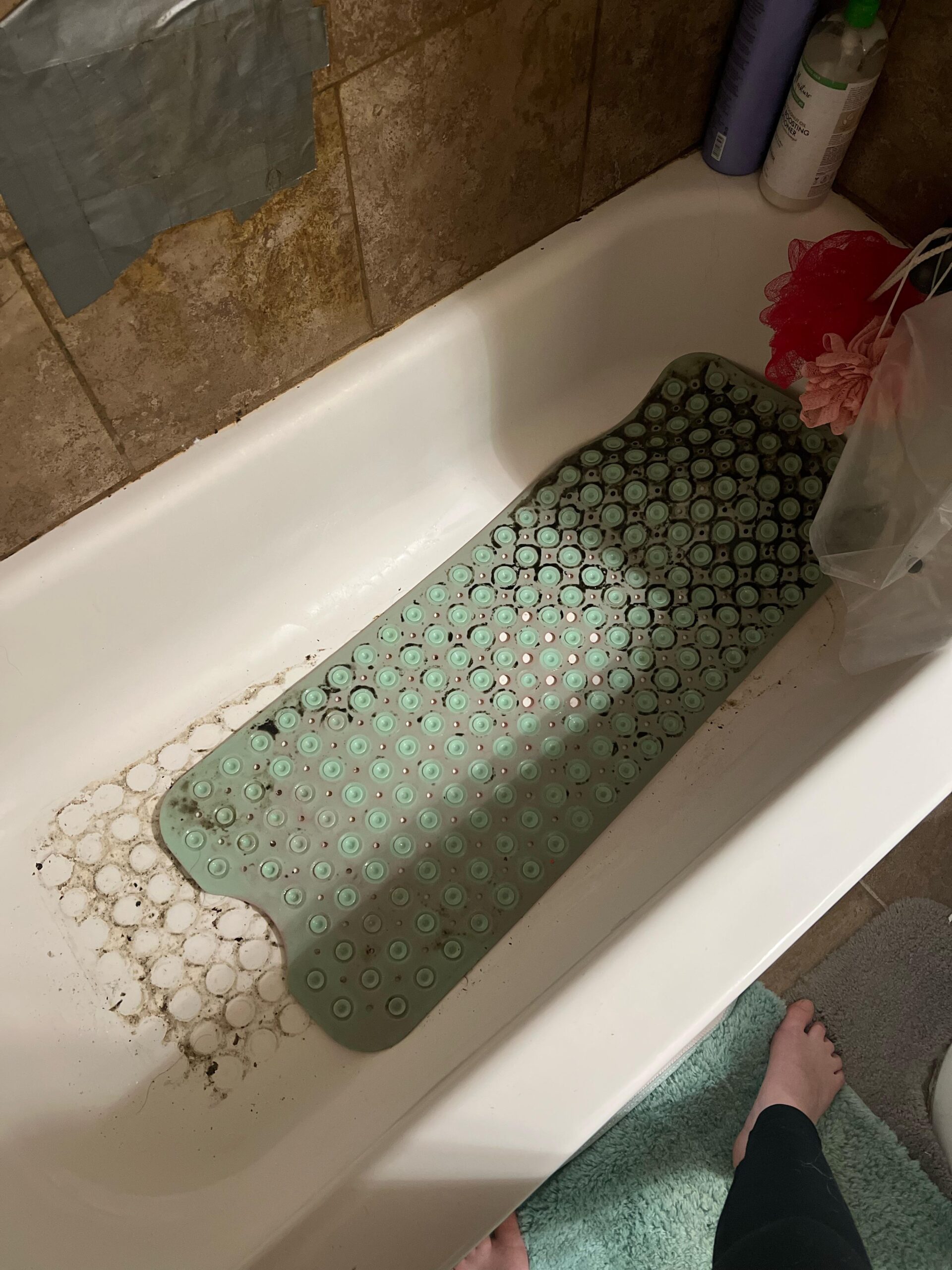
Look, your bath mat. It’s a swamp. A petri dish. Honestly, the thing is probably dirtier than your toilet seat. And you’re thinking about shoving it in the washing machine? Bad idea. Real bad. Especially if it’s one of those cheap, rubber-backed nightmares. Or worse, that fancy shaggy thing you dropped a hundred bucks on. You can’t just toss it in. You’ll ruin it.
The thing is, most bath mats ain’t built for that kind of abuse. The heat, the tumbling… it’s a one-way ticket to Frayedsville. So, how to clean bath mat without washing machine? It’s not rocket science. It’s just, you know, basic hygiene. And maybe a little elbow grease. Something most people seem to have forgotten. We’re talking about mold, mildew, and that general funk that clings to damp fabric like a bad ex.
The Grim Reality of Your Grimy Mat
Let’s get real. That mat sits there, soaking up water. Every. Single. Day. Then it dries. Sort of. What’s left behind? Dead skin cells. Soap scum. Hairs. And all the delightful bacteria that feast on this buffet. Then you step on it. With wet feet. Spreading the love. It’s gross. Absolutely disgusting. I remember this one time, visiting my aunt. She had this beige monstrosity by her tub. Looked clean. Smelled… off. Turns out, it hadn’t been properly cleaned in years. Just tossed in the wash every few months. Big mistake. Huge.
Why Machine Washing Is A No-Go Zone
First off, rubber-backed mats? Forget it. The heat melts the rubber. They turn into a sticky, gooey mess. Or they crack. Or they just disintegrate. Totally ruined. Then there are the delicate weaves. Shag, deep pile, natural fibers. The machine cycle will shred them. Tangles. Tears. Loose threads everywhere. You’ll end up with a sad, matted lump. Not a mat. It’s like putting a tuxedo in a tumble dryer. Just… don’t.
To be fair, some mats can handle the machine. But most folks don’t know their materials. They just guess. And guess wrong. The stakes are too high. A new bath mat ain’t cheap. Especially the good ones. So, we’re diving into the methods that work. The ones that actually get your mat clean without turning it into garbage. We’re talking manual labor here. The old-fashioned way. Because sometimes, the simple way is the only way.
Watch: Queen of Clean | How to clean bath mats
Gather Your Arsenal: Stuff You’ll Need
Before we get dirty, let’s arm ourselves. You don’t need a hazmat suit. Just some common household stuff. Maybe a trip to the dollar store. It’s basic. But it works.
The Essential Checklist
- A Stiff Brush: Think scrub brush. Not your toothbrush. Something that can actually agitate the fibers.
- Mild Detergent or Soap: Dish soap works. Laundry detergent is fine, but use less. You don’t want a suds explosion.
- Baking Soda: The odor killer. Absolute must-have.
- White Vinegar: The disinfectant. It fights mildew and smells. Trust me.
- Bucket or Tub: For soaking and rinsing. A large sink can work in a pinch.
- Gloves: Protect your hands. Honestly, it’s just nicer.
- Old Towels: For blotting up excess water.
- Sunlight: The ultimate disinfectant. And air freshener.
Method 1: The Soak-and-Scrub – For Most Fabric Mats
This is your go-to. For cotton, microfiber, polyester. Most things that aren’t rubber or delicate lace. It’s the most effective way to tackle the grime without a machine. It takes a bit of time, sure. But the results? Night and day. Your mat will feel, and smell, like new. Almost.
Step 1: The Pre-Clean Shake-Down
First, take that mat outside. Give it a good, violent shake. Like you’re trying to scare the dirt out of it. Beat it against a railing. Get all the loose debris off. Hair, dust buies, whatever else has taken up residence. This makes the actual cleaning way easier. Don’t skip this. Seriously. I once saw a guy try to clean a rug without shaking it first. It was… a mistake. Mud everywhere.
Watch: QUEEN OF CLEAN: How to clean bath mats
Step 2: The Suds Bath
Fill your bucket or tub with cool or lukewarm water. Not hot. Hot water can set stains and shrink some fabrics. Add a good squirt of mild detergent. Just enough to make some suds. Swish it around. Now, dunk your mat. Let it soak for about 15-30 minutes. This loosens up the dirt and grime. It’s doing the hard work for you.
Step 3: The Scrub Down
Drain the dirty water. Add a bit of fresh water. Now, the scrubbing. Use your stiff brush. Get into every nook and cray. Scrub both sides. Pay attention to any stained areas. You want to really agitate the fibers. Lift out that embedded gunk. It might take a while. Be patient. This is where the magic happens. Push hard. Don’t be gentle. It’s a bath mat, not a baby.
Step 4: The Rinse Cycle (Manual Edition)
Drain the soapy water. Rinse the mat thoroughly with clean, cool water. Keep rinsing until all the soap residue is gone. Squeeze out excess water. You don’t want soapy mat. It’ll be stiff and gross. And it’ll attract more dirt. Rinse, rinse, rinse. Seriously. Until the water runs clear. No suds. None.
Step 5: The Odor Obliteration
This is where baking soda and vinegar come in. For stubborn smells, sprinkle baking soda generously over the damp mat. Let it sit for at least an hour. Then, spray it down with a mixture of equal parts white vinegar and water. Let it foam up. This is the reaction that kills odor-causing bacteria. Rinse again. Thoroughly. The vinegar smell dissipates as it dries. Promise.
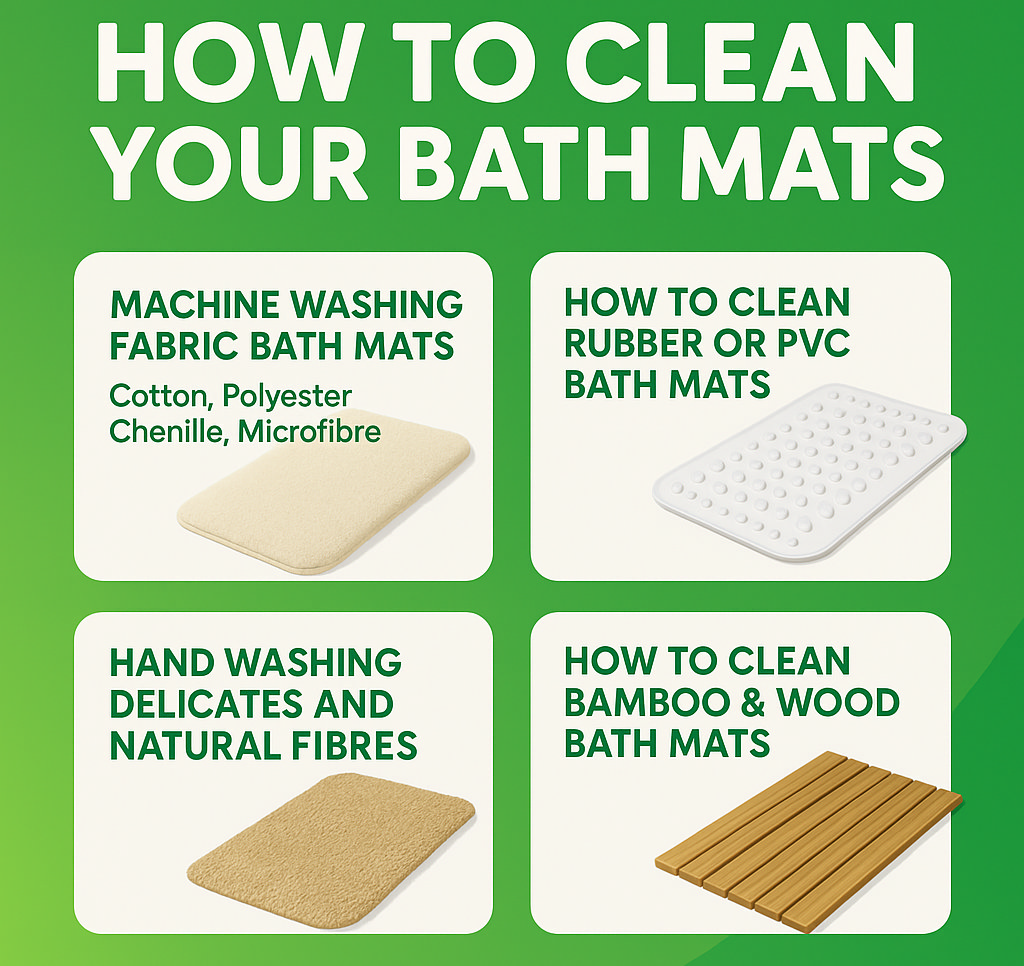
Method 2: The Surface Wipe-Down – For Rubber & Vinyl Mats
Rubber mats. The cheap ones. The ones that feel kind of sticky even when they’re dry. These are the devils. They don’t soak up water like fabric, but they trap grime on the surface. And if they have that rubber backing? Machine washing is a death sentence. So, we go manual. Simple. Effective. Gets the job done without melting anything.
Step 1: The Initial Wipe
Grab a damp cloth. Wipe down the entire surface of the mat. Get rid of any surface dust or loose dirt. You’re just prepping it for the real cleaning. It’s like wiping your hands before you eat. Basic.
Step 2: The Cleaning Solution
Mix a solution of warm water and a few drops of mild dish soap. Or, you can use a 1:1 ratio of water and white vinegar. Vinegar is great for disinfecting and cutting through grime on rubber. Avoid harsh chemicals. They can degrade the rubber over time.
Step 3: The Scrubbing Action
Dip your stiff brush or a sponge into the cleaning solution. Scrub the surface of the mat. Focus on any dirty spots, scuffs, or discoloration. If it’s a particularly grimy rubber mat, you might need to apply a bit more pressure. Get into those textured surfaces.
Step 4: The Rinse and Wipe
Use a clean, damp cloth to wipe away the soap or vinegar solution. Rinse your cloth frequently. You want to remove all the cleaning residue. Make sure the mat is completely clean. No streaks. No film.
Step 5: The Drying Phase
Hang the rubber mat to dry. Make sure it’s not bunched up. You want air to circulate around it. Laying it flat on a towel also works. Just ensure it dries completely. Damp rubber breeds mildew. And that’s a whole new problem. Nobody wants that. Check the underside too.
Method 3: Spot Cleaning Stains
Sometimes, your mat isn’t totally trashed. It just has that one stubborn stain. Maybe toothpaste. Maybe makeup. Or that weird brown splotch that appeared out of nowhere. Don’t drag the whole mat through the mud for one little issue. Spot clean. It’s efficient. Saves you time. Saves the mat.
Targeted Attack
First, identify the stain. Is it greasy? Is it dye-based? This helps you choose your weapon. For general stains, a paste of baking soda and water works wonders. Apply it directly to the stain. Let it sit for 30 minutes. Gently scrub with your brush. Rinse the area. For tougher stains, like ink or dye, a bit of rubbing alcohol on a cotton ball can work. Test it on an inconspicuous area first. You don’t want to bleach your mat.
Drying Your Mat: The Crucial Final Step
This is where many people screw up. They rinse, wring it out a little, and toss it back on the floor. Big mistake. A damp mat is a mildew factory. And the smell? Awful. You need to dry it properly. Thoroughly. Completely.
Air Dry is King
The best method is air drying. Outdoors, if possible. Hang it over a railing, a clothesline, or even a sturdy chair. Let the sun and the breeze do their work. Sunlight is a natural disinfectant and bleach. It helps kill bacteria and fade stains. If you can’t dry it outside, find a well-ventilated spot indoors. A drying rack works. Just make sure air can get all around it. Don’t lay it flat on a carpet. It needs airflow.
The Cautionary Tale of the Dryer
Can you use a dryer? Maybe. Only if the care label explicitly says so. And use the lowest heat setting. Or air fluff. The risk is high. Heat is the enemy of rubber and many synthetic fibers. You’re better off not risking it. I learned this the hard way with a vintage rug. Looked fine coming out. Then it shrunk to half its size. Devastating. Stick to air drying. It’s foolproof. And free.
How Often Should You Clean Your Mat?
Honestly? More often than you think. If it gets wet every day, it needs attention. For a high-traffic bathroom, aim for a deep clean every 1-2 months. A quick surface wipe-down or spray with disinfectant weekly. Rubber mats might need cleaning more often due to surface grime. Fabric mats can go a bit longer if they dry out quickly. But if you notice a smell? Clean it. Immediately. Don’t wait for guests to point it out. That’s just embarrassing.
Watch: How To Clean a Shower Mat | 3 Simple Steps
Why Your Mat Smells (And How To Fix It)
The smell. It’s the worst part. Usually, it’s mildew. Or bacteria feast. The solution? Deep cleaning. And drying. Proper drying. But for persistent odors, there are tricks.
The Baking Soda Blitz
Sprinkle baking soda liberally over the dry mat. Let it sit for several hours, or overnight. Then vacuum it up. This absorbs odors like a champ. You can also use vinegar. Spray a 1:1 vinegar-water solution onto the mat. Let it dry completely. The vinegar smell will vanish, taking the funk with it.
Sunlight Therapy
Don’t underestimate the power of the sun. A few hours outside on a suy day can work wonders. It’s nature’s deodorizer. And disinfectant. It’s free. It’s effective. Get your mat out there.
Maintaining Mat Health: Beyond Cleaning
Cleaning is reactive. Prevention is proactive. How do you keep your mat from becoming a biohazard in the first place?
Let It Breathe
After showers, hang your mat up. Or at least lift an edge. Let it air out. Don’t leave it bunched up and damp. This simple step prevents mildew. It reduces drying time. It’s a no-brainer. You wouldn’t leave your gym clothes in a ball. Why treat your mat any different?
The Mat Rotation Game
If you can, have two mats. Rotate them. Use one while the other dries completely. This ensures you always have a dry mat ready. And it gives each mat a break. Less wear and tear. Less time spent soaking wet. It’s a smart strategy.
Material Matters
Know your mat. Is it cotton? Polyester? Rubber? Memory foam? Each has its own cleaning needs. Cotton can handle more aggressive scrubbing. Rubber needs gentle solutions. Memory foam can be tricky. Read the care label. It’s there for a reason. Ignoring it is asking for trouble.
Common Mat Materials & Their Quirks
Let’s break down the common types. Knowing this helps you avoid disaster.
| Material | Best Cleaning Method (No Washer) | Drying Tips | Warning Signs |
|---|---|---|---|
| Cotton | Soak & Scrub (Method 1). Durable. | Air dry outdoors preferred. Hang fully. | Shrinking if washed hot. Bleaching. |
| Microfiber/Polyester | Soak & Scrub (Method 1). Gentle scrubbing. | Air dry. Avoid direct, intense heat. | Melting/warping on high heat. Tangling. |
| Rubber/Vinyl | Surface Wipe-Down (Method 2). Use vinegar. | Air dry flat or hung. Ensure no moisture trapped. | Cracking/stickiness from harsh chemicals or heat. |
| Memory Foam | Spot clean stains. Damp cloth wipe. NO SOAKING. | Air dry flat. NEVER wring or twist. Takes ages. | Deformation if machine washed or wrung out. Loss of shape. |
| Jute/Natural Fibers | Surface wipe only. Very delicate. NO WATER SOAKING. | Air dry in shade. Keep away from moisture. | Staining, mildew, disintegration with water. |
The Ultimate Mat Cleaning Cheat Sheet
Don’t overthink it. Keep it simple. Keep it clean. You got this.
Quick Recap
- Shake it out. Always.
- Soak fabric mats. Loosens grime.
- Scrub with a stiff brush. Get into the fibers.
- Rinse thoroughly. No soap residue.
- Vinegar & Baking Soda. For smells and stains.
- Air dry completely. Sunlight is your friend.
- Preventative measures. Hang to dry after use.
Frequently Asked Questions
How to clean a rug that is not machine washable?
You use the same manual methods described above! The ‘Soak-and-Scrub’ method (Method 1) is ideal for most non-machine-washable rugs. For delicate or specialty rugs (like jute), stick to surface wiping and spot cleaning. Always prioritize air drying, preferably in sunlight, to kill bacteria and odors.
How do you get black mold out of a rubber bath mat?
For black mold on a rubber mat, you need a strong disinfectant. Mix equal parts white vinegar and water, or use a diluted bleach solution (1 part bleach to 10 parts water – use gloves and ventilate well!). Apply the solution with a cloth or sponge, scrub the moldy areas thoroughly with a stiff brush, let it sit for about 15-20 minutes, then rinse completely with clean water. Ensure it dries thoroughly afterward, as moisture is mold’s best friend.
How to wash a smelly bath mat?
A smelly bath mat usually means mildew or bacteria buildup. The best approach is a deep manual clean. For fabric mats, use Method 1, incorporating a soak with vinegar or adding baking soda directly to the mat before scrubbing. For rubber mats, use Method 2 with a vinegar solution. Crucially, after cleaning, ensure the mat dries completely, ideally in direct sunlight. If the smell persists, repeat the baking soda treatment by sprinkling it dry, letting it sit overnight, then vacuuming.
Can I use carpet cleaner on my bath mat?
Generally, no. Carpet cleaners can be harsh and contain chemicals that might damage your bath mat’s material, especially rubber or delicate fibers. They can also leave residue that attracts more dirt or makes the mat slippery. Stick to mild detergents, dish soap, or vinegar for safer and more effective cleaning.
What’s the best way to dry a memory foam bath mat without ruining it?
Memory foam bath mats are notoriously tricky. Never wring or twist them, as this destroys the foam structure. The absolute best way is to lay them flat on a thick towel in a well-ventilated area, flipping them periodically. Avoid direct heat or sunlight, as it can degrade the foam. It can take a long time – sometimes 24-48 hours – to dry fully. Be patient; rushing it will ruin the mat.

Lonnie Clarke believes that taking care of your washing machine starts with what you put into it. As a former textile quality controller, she understands exactly how different fabrics, water temperatures, and detergents interact with your appliance’s drum. She writes our comprehensive guides on preventing mold, choosing the right cycles, and extending the life of your clothes.