Don’t Be Lazy. Clean Your Damn Washing Machine.
Look, your washing machine. It’s a filthy beast. You think it gets clothes clean? Yeah, right. It’s a breeding ground for mildew, funk, and whatever that slimy crap is at the bottom. Honestly, most people never even think about cleaning it. They just chuck in their dirty laundry, slam the door, and expect miracles. And then they wonder why their clean clothes smell like a gym sock left in a swamp for a month. It’s disgusting.
This ain’t rocket science, people. You waa know how to run clean cycle on washing machine? It’s simple. If you’ve got a machine with a self-clean function, good for you. You’re already ahead of the curve. If you don’t, well, we’ll get to that. But the thing is, most modern machines have it. Samsung calls it ‘Self Clean’. LG calls it ‘Tub Clean’. Whirlpool’s got ‘Clean Washer’. They’re all the same damn thing: a cycle designed to blast away the gunk.
Why Bother? Because Stank Clothes Are A Crime.
Seriously. A smelly washing machine contaminates everything. It’s like washing your clothes in a petri dish. You wouldn’t drink dirty water, would you? Then why wash your threads in filth? The lint trap gets clogged. The rubber seals on front-loaders? Forget about it. They’re black with mold. The detergent dispenser? A crusty monument to neglect. This is why you need to know how to run the damn clean cycle.
Watch: How To Clean Your Top Load Washing Machine
My Own Dirty Secret (And How I Fixed It).
I used to be one of you. A lazy slob. My front-loader, a sleek LG model I bought back in 2019 for a cool $900, started smelling. Not just a little musty. Like, ‘throw out the whole appliance’ bad. I ignored it. For months. Then, my wife – bless her nagging soul – found the manual. Buried under a pile of junk mail. Turns out, LG had this ‘Tub Clean’ thing. I thought it was bullshit. A gimmick. I ran it. Nothing happened. Or so I thought.
The next wash? Still stunk. But then, maybe two washes later? The smell started to fade. I kept ruing the Tub Clean cycle once a month. Now? My clothes come out smelling like, well, clean clothes. Amazing, right? It’s a miracle. Or it’s just basic maintenance. The thing is, you gotta stick with it.
Front-Loader vs. Top-Loader: The Grimy Truth
Front-loaders? They’re the worst offenders. That rubber door seal. It traps water. It traps lint. It traps hair. It traps your hopes and dreams. Mold loves it. That’s why you need to pay extra attention to front-loaders. Wipe that seal down. Leave the door ajar after every wash. And for God’s sake, run the self-clean cycle. Top-loaders ain’t iocent either. They get buildup inside the drum. Gunk settles in the agitator. It’s a mess.
How To Actually Run The Damn Clean Cycle
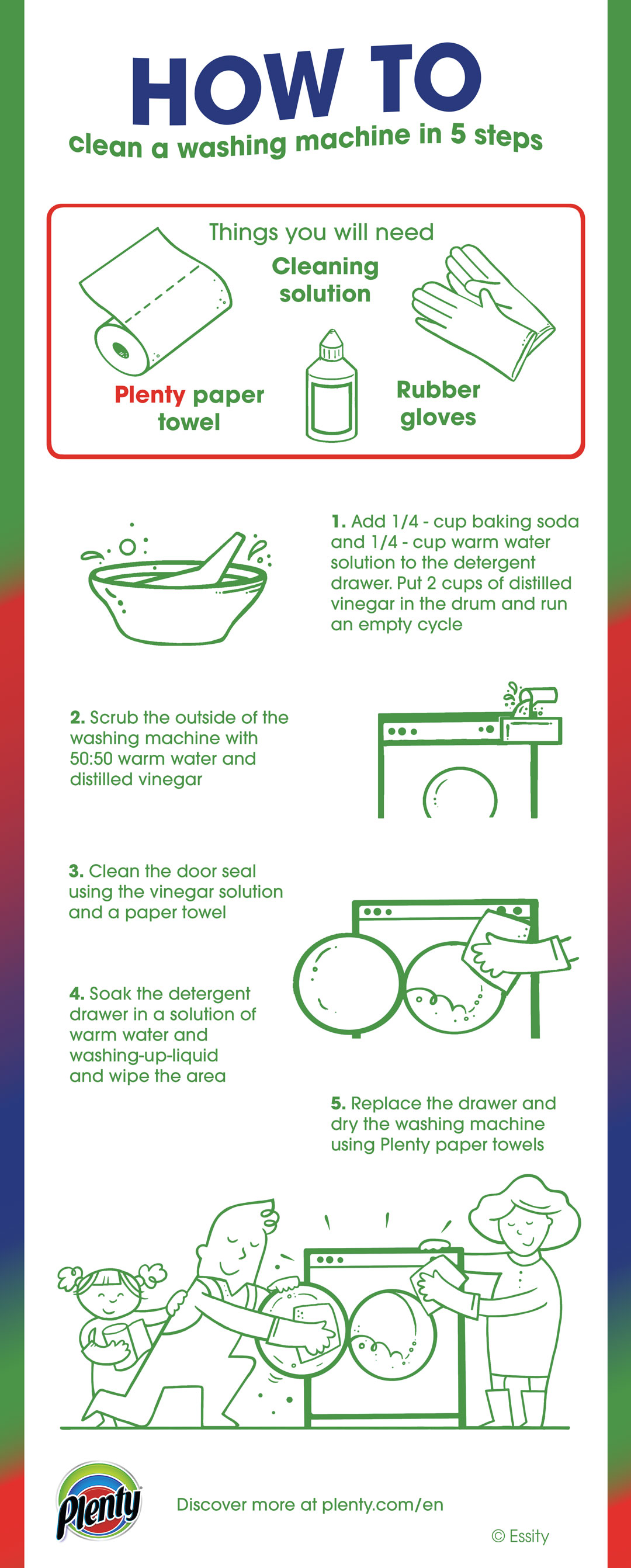
Alright, enough with the sob stories. Let’s get down to business. How do you do this? It ain’t complicated. But you gotta follow the steps. Don’t wing it.
Step 1: Check Your Manual. Seriously.
I know. Manuals are boring. They’re dusty. They smell like old paper and regret. But here’s the thing: every machine is a little different. Samsung’s ‘Self Clean’ might be a button. Whirlpool’s ‘Clean Washer’ might be a setting on the dial. You need to know where it is and what it does. If you lost the manual, just Google your model number + ‘manual’ + ‘clean cycle’. It’s not hard.
Step 2: Empty Everything. Duh.
This isn’t a normal wash. You’re not washing clothes. You’re cleaning the machine. So, take everything out. No, not even that one smelly towel you’ve been meaning to re-wash. Out. Everything. Leave the drum empty. Bone dry. Ready for its spa treatment.
Step 3: Add The Cleaning Agent. (Don’t Be Cheap.)
This is where most people screw up. They think adding regular detergent is goa cut it. NO. You need something specific. Two main choices, really. And don’t skimp. You paid for the machine, pay for the cleaner.
Watch: How To Clean Your Front Load Washing Machine
Option A: Bleach. The Old School Killer.
Bleach works. It’s cheap. It kills mold and mildew like nothing else. But be careful. It can degrade rubber seals over time. Use it sparingly. Like, maybe once every 3-4 months. For a front-loader, put about 1/2 cup of liquid bleach in the detergent dispenser. For a top-loader, pour about 1 cup directly into the empty drum. Don’t mix it with anything. Especially not vinegar. That’s a recipe for toxic fumes. Nobody wants that.
Option B: Vinegar. The Natural (But Smelly) Warrior.
White vinegar. Yeah, it smells like a salad bar exploded. But it’s great at breaking down mineral deposits and soap scum. Plus, it’s less harsh than bleach. You can use it more often. Once a month? Perfect. For a front-loader, pour about 2 cups of white vinegar into the detergent dispenser. For a top-loader, pour 4 cups directly into the empty drum. Some people swear by adding a little baking soda too. Sprinkle about half a cup in the drum with the vinegar. It helps scrub things out. But honestly, the vinegar does most of the heavy lifting.
Watch: YouTube
Option C: Commercial Washer Cleaner. The Easy Button.
These are your Affresh, Tide Washing Machine Cleaner tablets, etc. They’re formulated specifically for washing machines. They’re convenient. You just toss a tablet in, or pour the liquid in the dispenser. They’re usually pretty effective. Pricier than bleach or vinegar, sure. But less hassle. Look for ones that specifically target odor and residue. The thing is, they work.
Step 4: Select The Right Cycle.
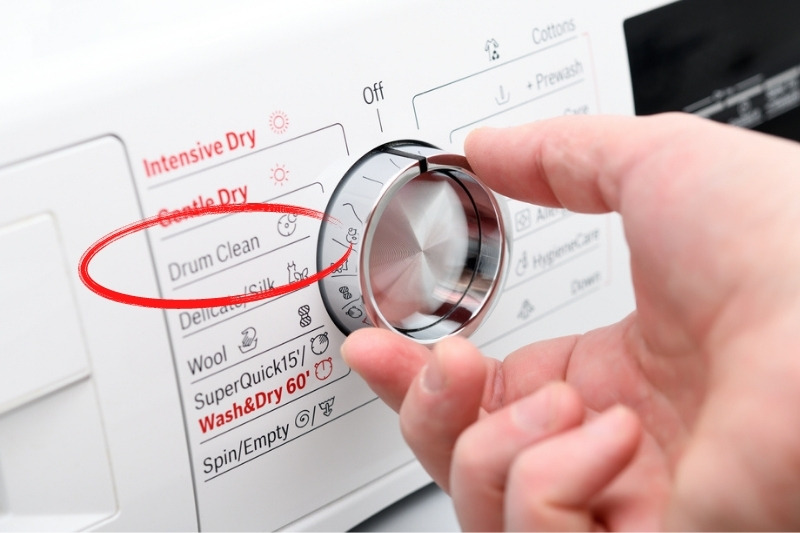
This is the crucial part. You’re not ruing a ‘delicates’ cycle here. You need the hottest, longest, most aggressive cycle your machine offers. Usually, it’s labelled ‘Clean Washer’, ‘Tub Clean’, ‘Self Clean’, or just ‘Heavy Duty’. Make sure it’s the hottest water setting available. If you don’t have a dedicated self-clean cycle, you’ll have to simulate it. Use the hottest water setting, longest cycle time, and maybe select ‘Extra Rinse’ to make sure all the cleaner gets flushed out. The machine should be completely empty.
Step 5: Let It Run. Don’t Interfere.
This is the hardest part for some people. You hit start, and you walk away. Don’t stop it halfway through to wash your socks. Let the cycle complete. Full stop. These cycles can take a couple of hours. Be patient. Let the machine do its thing. It’s working hard to undo your years of neglect.
Step 6: Wipe Down The Residue. (Yeah, There’ll Be Some.)
Once the cycle is done, open the door. Take a look inside. You might see some gross little bits of gunk floating around. Or maybe some slimy residue clinging to the drum walls. Grab a clean cloth – an old rag will do – and wipe it all down. Pay special attention to the door seal and the detergent drawer. Get in there. Scrub it out. This is the final boss battle against the funk.
Step 7: Run An Extra Rinse (Optional, But Recommended)
To be absolutely sure all the cleaner is gone and to get any lingering odors out, you can run a quick rinse cycle afterwards. Just water. No detergent. No cleaner. Just a quick spin to ensure everything is pristine. I usually do this. It makes sure I don’t accidentally wash my undies in bleach residue next time.
How Often Should You Be Doing This?
Here’s the kicker: You can’t just do this once and forget about it. This ain’t a one-and-done miracle cure. Consistency is key. For most people, ruing a clean cycle once a month is sufficient. If you use your machine a LOT, like a laundromat owner, maybe twice a month. If you live in a hard water area, you might need to do it more often to combat mineral buildup. Bleach? Maybe every 3-4 months, max. Vinegar or a commercial cleaner? Monthly is your sweet spot.
What If My Machine Doesn’t Have A Self-Clean Cycle?
Don’t panic. It’s not the end of the world. As I mentioned, you can fake it. Use the hottest water setting. Longest wash cycle. Empty drum. Add your cleaning agent (vinegar or commercial cleaner are best here, less harsh for repeated use). Hit start. Let it run its course. It’s not ideal, but it’ll get the job done. Just be prepared to maybe do a little more scrubbing manually afterwards.
Table: Cleaning Frequency & Agents
| Frequency | Cleaning Agent | Notes |
|---|---|---|
| Monthly | White Vinegar (2-4 cups) | Good for general buildup and odor. |
| Monthly | Commercial Washer Cleaner (1 tablet/dose) | Convenient, formulated for machines. |
| Every 3-4 Months | Liquid Bleach (1/2 – 1 cup) | Powerful for mold/mildew, use sparingly. Never mix with vinegar. |
Pro Tips From A Guy Who’s Seen It All (Mostly Gross Stuff).
- Wipe the Door Seal: Especially on front-loaders. After every wash. Seriously. It takes 30 seconds. It prevents a world of mold.
- Leave the Door Ajar: Again, front-loaders. Let that thing breathe! Air circulation prevents moisture buildup.
- Clean the Dispenser Drawer: Pull it out. Scrub it. Rinse it. Put it back. Do this every few weeks. It gets crusty.
- Check the Pump Filter: Front-loaders usually have one at the bottom. It catches coins, lint, buttons, sometimes even small socks. Clean it out regularly. It gets gross.
- Don’t Overload: Stuffing too many clothes in there prevents proper rinsing and can lead to buildup.
- Use the Right Detergent (and amount!): Too much HE detergent causes suds and residue. Follow the lines on the cap.
Frequently Asked Questions
How do I run a clean cycle on my washing machine?
Locate the dedicated ‘Clean Washer’, ‘Tub Clean’, or ‘Self Clean’ cycle on your machine’s control panel. Ensure the drum is empty, then add your chosen cleaning agent (bleach, vinegar, or commercial cleaner) to the designated compartment or directly into the drum as per your manual’s instructions. Select the cycle and start the machine. Let it run to completion.
Do I need to put anything in the washer for a self-clean cycle?
Yes. While some machines might have a dedicated cleaning cycle that runs without any added agent, it’s generally recommended to add a cleaning agent for maximum effectiveness. This typically includes liquid bleach, white vinegar, or a specialized washing machine cleaning tablet or liquid. Check your machine’s manual for specific recommendations.
What to put in a washing machine during a clean cycle?
You can use liquid chlorine bleach (about 1/2 cup for front-loaders in the dispenser, 1 cup for top-loaders in the drum), white distilled vinegar (about 2 cups for front-loaders in the dispenser, 4 cups for top-loaders in the drum), or a commercially available washing machine cleaner tablet or liquid. Always follow the specific product and machine manufacturer’s instructions.
How to run your washing machine to clean it?
Ensure the machine is empty. Add your cleaning agent (bleach, vinegar, or cleaner). Select the hottest water setting and the longest available cycle, ideally a dedicated ‘Clean Washer’ or ‘Tub Clean’ cycle. If no dedicated cycle exists, use a heavy-duty or normal cycle with the highest temperature and longest duration. Let the cycle complete fully.
Can I use hot water for the clean cycle?
Absolutely. In fact, using the hottest water setting available is crucial for effectively ruing a clean cycle on your washing machine. Hot water is much better at breaking down detergent residue, soap scum, body oils, and killing bacteria and mold that thrive in the damp environment of your washer drum.

Mary Snodgrass oversees all content at WashingMachineCare.com with a keen eye for detail and consumer advocacy. Spending over a decade in appliance retail management, he knows the industry tricks and which brands actually stand the test of time. Mary Snodgrass buying guides help readers navigate confusing spec sheets to find the perfect washer for their household needs and budget.