Forget the Fluff: How To Clean Washing Machine Water Inlet Valve – The No-Nonsense Guide
Look, your washing machine is taking its sweet time filling. You’re tapping your foot, the cycle’s stalled, and you suspect something’s gunked up. The thing is, most people just call a repair guy. Big mistake. You can probably fix this yourself. We’re talking about the water inlet valve. That little gatekeeper letting water into your drum. When it gets clogged, your whole operation grinds to a halt. It’s not rocket science, but it ain’t exactly folding laundry either. Let’s get this done. It’s about how to clean washing machine water inlet valve, plain and simple. No BS.
I remember my old Maytag. Bought it in ’08. Solid as a rock, until it wasn’t. One day, it just stopped filling. Sat there, humming, like it was contemplating its existence. I panicked. Figured a new machine was in order. Then my neighbor, old Gus, a retired appliance tech, came over. “Inlet valve, you dope,” he grunted, “Happens all the time with hard water.” Five minutes later, with a quick clean, the Maytag was back from the dead. Saved me a grand. That’s the power of knowing this stuff.
Why Your Machine’s Water Valve is Clogged
Hard water. That’s the main culprit. Mineral deposits, calcium, lime, whatever you want to call the gunk in your pipes, it builds up. Think scale in your kettle, but in your washer valve. Over time, this crud cakes the screens and restricts flow. Sediment from your water supply doesn’t help either. Dirt, rust, tiny bits of who-knows-what. It all ends up in the same place: your inlet valve screens.
Watch: Washing Machine Slow to Fill Up? It's Your Inlet Screen!
Rust from old pipes is another enemy. If your plumbing is ancient, you’re asking for trouble. The metal bits break off and travel downstream. Your inlet valve is the first line of defense, but even it can get overwhelmed. To be fair, sometimes it’s just wear and tear. Seals degrade, little pieces break off. But mostly? It’s the water. Always the water.
Signs Your Water Inlet Valve Needs Attention
The most obvious sign? Slow filling. Obviously. You start a cycle, and the water trickles in like it’s rationing. Takes forever. You might even get an error code. Check your manual, but codes related to fill times or water supply issues often point here. Or, you might get no water at all. Zip. Nada. The machine turns on, makes noise, but the drum stays dry. That’s a dead giveaway.
Another sign? Inconsistent filling. Sometimes it fills fine, other times it’s a slow drip. This is usually due to a partially blocked valve. The restriction isn’t bad enough to stop flow completely, but it’s enough to mess with the pressure and timing. It’s like trying to drink a milkshake through a tiny straw. Frustrating, right? You’ll notice longer cycle times too, because the machine waits for a certain water level.
Tools You’ll Need: Don’t Get Caught Empty-Handed
Alright, let’s get practical. You’re not going to fix this with a butter knife. You need the right gear. Here’s the rundown:

- Screwdrivers: Phillips head and flathead. Get a set, don’t be cheap. You’ll need different sizes.
- Pliers: Needle-nose pliers are your friend here. For grabbing small bits.
- Adjustable Wrench: For hose coections.
- Bucket and Towels: Water spills. It’s a fact of life. Have these ready.
- Wire Brush or Old Toothbrush: For scrubbing those screens.
- Vinegar or CLR: For stubborn mineral deposits.
- New Washers (Optional but Recommended): Small rubber rings that seal hose coections. Cheap insurance against leaks.
Seriously, don’t skimp on tools. A good set of screwdrivers makes the job easier. Trying to use a butter knife will just strip screws and make you curse. My dad always said, “A craftsman is only as good as his tools.” He was right. Especially when you’re elbow-deep in washing machine guts.
Step-by-Step: How To Clean Washing Machine Water Inlet Valve
First, the disclaimer. You’re dealing with water and electricity. If you’re not comfortable, call a pro. Seriously. I’m just giving you the steps. Don’t blame me if you electrocute yourself. Safety first, always.

Step 1: Discoect Power and Water – Non-Negotiable
This is the most important step. Forget everything else if you skip this. Unplug the washing machine from the wall socket. Completely. Then, turn off the water supply. Look for two knobs, usually behind the machine, coected to the hoses. Turn them clockwise until they stop. Don’t just pull the plug halfway; make sure it’s all the way out.
Why? Because water and electricity are a deadly cocktail. You don’t want a shock while you’re fiddling with hoses. Plus, you need the water off so you don’t flood your laundry room. I learned this the hard way once, trying to rush a repair. Water everywhere. Ruined a perfectly good Saturday. It took hours to clean up. Don’t be me.
Step 2: Access the Inlet Valve Assembly
This varies by model. Usually, you need to remove the back panel or the top panel. Consult your machine’s manual if you’re unsure. Look for screws holding the panel in place. Once removed, you’ll see the water inlet valve. It’s typically a plastic or metal component where the water hoses coect to the machine.
The valve itself is usually mounted near the back of the machine. It’s where those two colorful hoses (hot and cold) snake into the appliance. You’ll see wires ruing to it too – that’s the solenoid that opens and closes the valve. Don’t yank on anything yet. Just identify it. The thing is, these panels can be tricky to remove. Sometimes they clip in, sometimes screws. Patience is key.
Step 3: Discoect the Hoses
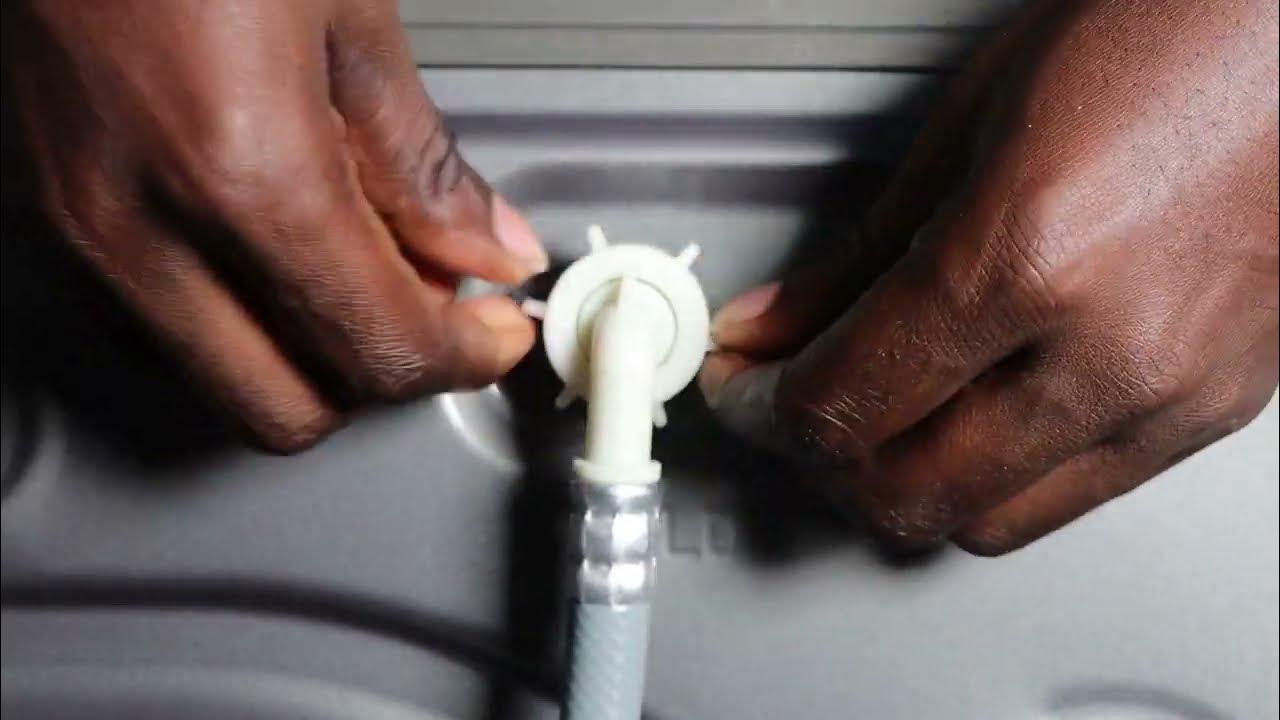
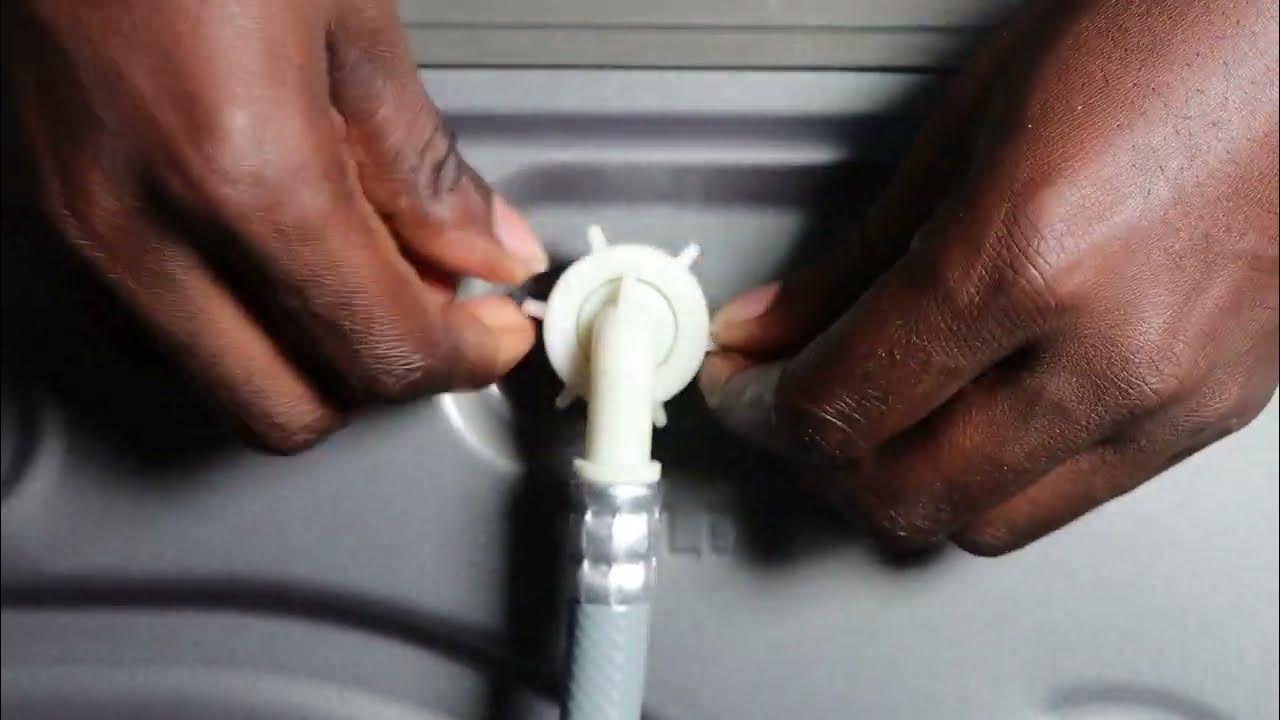
Now, with the water OFF, carefully discoect the hoses from the inlet valve. Use your adjustable wrench to loosen the nuts. Have that bucket and towels ready because there will be some residual water. Let it drain into the bucket. Don’t try to force the coections; if they’re stuck, a little penetrating oil might help, but be careful not to get it on the valve threads.
Watch: How to clean a washing machine water inlet valve filter.
Once the hoses are off, inspect the rubber washers inside the hose ends. If they look cracked or worn, replace them. They’re cheap. Replacing them now prevents future leaks. Honestly, this is good preventative maintenance. I’ve seen hoses blow off because of bad washers. Messy. Very messy.
Step 4: Remove the Inlet Valve (If Necessary)
Sometimes, you can clean the screens with the valve in place. Other times, you need to remove the whole unit. Look for screws or clips securing the valve to the washing machine’s housing. Carefully remove it. Again, watch for any wires coected to the valve’s solenoid; discoect them gently.

When I removed my first inlet valve, it felt like a major surgery. Turns out, it was just a couple of screws and a plastic clip. The key is to observe how it’s attached before you start unscrewing things. Take pictures with your phone if you need to. It helps when reassembling. Honestly, the reassembly is usually easier than the disassembly if you pay attention.
Step 5: Clean the Screens and Valve Body
This is where the magic happens. You’ll see small mesh screens at the point where the water hoses coected. These are your filters. Carefully pull them out using needle-nose pliers. If they’re really stuck, try wiggling them gently. Inspect them for debris, mineral buildup, and rust particles.
Use your wire brush or old toothbrush to scrub the screens clean. For tough deposits, soak them in a 50/50 solution of white vinegar and water, or use a CLR cleaner. Follow the CLR instructions carefully; it’s a strong chemical. Rinse the screens thoroughly after cleaning. Clean the inside of the valve body itself too. You can use a rag and some cleaner, making sure not to damage any internal seals.
Watch: Washing machine takes forever to fill with water – Clogged …
Step 6: Reassemble and Test
Put the clean screens back into the valve. If you removed the valve assembly, reinstall it now. Recoect the water hoses, making sure the new (or good old) washers are in place and the coections are snug. Recoect any wires you discoected. Then, reattach the panel you removed earlier.
Turn the water supply back on SLOWLY. Check immediately for any leaks at the hose coections. If all looks good, plug the machine back in. Run a short rinse cycle. Watch and listen. Does it fill normally? No leaks? Congratulations, you just fixed your washing machine. The thing is, testing it is crucial. Don’t just assume it’s fixed. Run a small load or a quick rinse cycle to be sure.
Dealing with Stubborn Mineral Deposits
If those screens are caked solid, you’ve got a battle on your hands. Vinegar is your first weapon. Soak the screens in undiluted white vinegar for a few hours, or even overnight. The acid in the vinegar helps break down the calcium and lime buildup.
If vinegar doesn’t cut it, CLR (Calcium, Lime, Rust Remover) is the next step. Use it strictly according to the product instructions. It’s powerful stuff and can damage some materials if left on too long. A quick dip and thorough rinse is usually sufficient. Always rinse extremely well after using any chemical cleaner before reassembling.
Preventative Maintenance: Stop This Happening Again
How often should you clean this? Honestly, it depends on your water. If you have notoriously hard water, maybe every 6-12 months. If your water is softer, you might get away with every 2-3 years. Listen to your machine. If it starts acting sluggish, that’s your cue.
Consider a whole-house water filter if your hard water is a persistent problem. It’s an investment, sure, but it protects all your appliances. You can also install small inline sediment filters on the washing machine hoses themselves. They’re cheap and catch a lot of the grit before it even reaches the valve. Small steps save big headaches down the line.
Common Washing Machine Inlet Valve Problems: A Quick Chart
Here’s a breakdown of what can go wrong and what it looks like:
| Problem | Symptom | Likely Cause | Fix |
|---|---|---|---|
| Clogged Screens | Slow fill, no fill, error codes | Mineral deposits, sediment, rust | Clean screens, soak in vinegar/CLR |
| Leaking Valve | Water pooling around machine base | Cracked valve body, bad seals | Replace valve assembly |
| Faulty Solenoid | No water enters machine | Electrical issue, burnt-out solenoid | Replace valve assembly |
| Corroded Coections | Intermittent water flow, leaks | Rust, mineral buildup on threads | Clean threads, replace washers |
This table covers the basics. Remember, the inlet valve is a relatively simple part. Most issues stem from water quality. You can’t control your town’s water supply, but you can manage its impact on your appliances. It’s all about proactive care. Don’t wait for a disaster.
When to Call a Professional
Look, I’m all for DIY. Saved myself thousands over the years. But there comes a point where you need to know your limits. If you’ve tried cleaning the valve and it still doesn’t fill, the valve itself might be faulty. The solenoid that controls it could be dead. Or maybe the problem isn’t the valve at all.
If you’re dealing with complex electrical issues, or if you’re just plain uncomfortable with the process after reading this, it’s time to call in a qualified appliance repair technician. Trying to force parts, stripping screws, or messing with wiring you don’t understand can lead to more expensive damage. Sometimes, the peace of mind is worth the service call fee. It’s usually a couple hundred bucks, way less than a new machine.
Frequently Asked Questions
Is it hard to replace a washing machine water inlet valve?
Not usually. For most DIYers, it’s a moderate task. The main challenges are accessing the valve and discoecting hoses. Cleaning the screens is easy. Replacing the entire valve assembly is slightly more involved but still manageable for most. The key is taking your time and having the right tools.
Can I just bypass the water inlet valve?
Absolutely not. The inlet valve is essential for controlling water flow into your machine. Bypassing it would lead to uncontrolled flooding and potential water damage. It’s also a major electrical safety hazard. Never attempt to bypass safety components.
How do I know if my washing machine inlet valve is bad?
The primary signs are the machine not filling with water, filling very slowly, or filling intermittently. Error codes related to fill times or water supply issues are also strong indicators. If you’ve cleaned the screens and the problem persists, the valve itself might be the culprit.
Do I need to turn off power to clean the inlet valve?
Yes, 100%. Always discoect the power cord from the electrical outlet before working on any part of your washing machine, especially near the water inlet valve. Water and electricity are a dangerous combination.
How often should I clean my washing machine water inlet valve screens?
This depends heavily on your water quality. For homes with hard water, checking and cleaning the screens every 6 to 12 months is a good practice. For areas with softer water, you might get away with checking every 2 to 3 years. Pay attention to your machine’s fill performance; sluggish filling is your cue.

Mary Snodgrass oversees all content at WashingMachineCare.com with a keen eye for detail and consumer advocacy. Spending over a decade in appliance retail management, he knows the industry tricks and which brands actually stand the test of time. Mary Snodgrass buying guides help readers navigate confusing spec sheets to find the perfect washer for their household needs and budget.