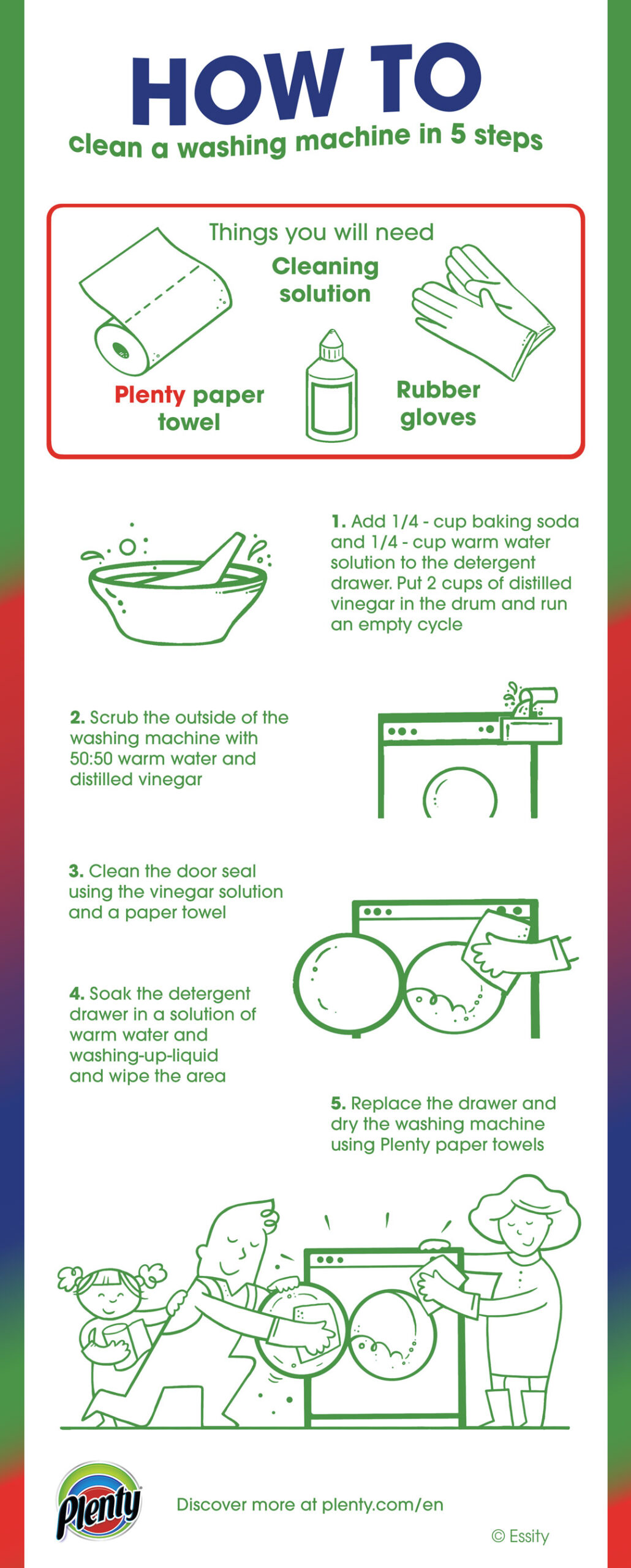
How To Clean Washing Machine Outside: Stop the Stench, Start the Shine
Look, nobody wants a gross washing machine. Especially not the outside. It’s the damn thing’s face, right? You think your sweaty gym clothes smell bad? Try letting that funk fester on the appliance itself. It’s a biohazard. We gotta talk about how to clean washing machine outside. Seriously. This ain’t rocket science, but people screw it up. Big time. They slap on some Windex and call it a day. WRONG.
The thing is, your washer collects grime. Dust buies. Fabric softener drips. Maybe even… dare I say it… mold. Especially if it’s in a damp basement or a humid laundry room. You gotta get this shit off. Before it becomes a permanent resident.
Why Bother? It’s Just the Outside!
Honestly? Because it’s gross. And because a clean machine performs better. Seems counterintuitive, but it’s true. A clean exterior means you’re paying attention. You’re noticing leaks. You’re seeing wear and tear. It’s about respect for your damn appliances. I remember back in ’09, my buddy’s washer looked like a science experiment gone wrong. Filthy. Smelled like a gym locker after a month-long heatwave. Guess what? That thing ate itself alive from the inside out. Rust, mold, the works. Probably wouldn’t have happened if he’d just wiped the damn thing down now and then.
The Enemy: What You’re Dealing With
Dust. Hair. Lint. Fabric softener residue. Streaks from spilled detergent. Sometimes, mildew. And if it’s near a bathroom? Ew. Just… ew. Don’t even get me started on fingerprint magnets. Stainless steel, I’m looking at you.
The exterior isn’t just for show. It protects the internal components. Keeps dust and gunk from creeping in. So, yeah. Cleaning the outside matters. More than you think.
Gather Your Arsenal: Cleaning Supplies You Actually Need
Forget the fancy sprays. You need basic, effective stuff. The kind that won’t wreck your finish. We’re not polishing a damn Rolls Royce here, but we’re not using steel wool on a baby chick either.
The Essentials Checklist
- Mild Dish Soap: Your best friend. Like Dawn. It cuts grease and grime. Simple. Effective. Cheap.
- Warm Water: The universal solvent. Mix it with the soap.
- Microfiber Cloths: Get a few. They don’t scratch. They don’t leave lint. They actually clean.
- Spray Bottle: For your DIY cleaning solution. Mix soap and water. Easy peasy.
- Old Toothbrush: For the nooks and craies. Get in there.
- Baking Soda Paste (Optional): For tougher spots. Mix baking soda with a little water. Turns into a gentle abrasive.
- White Vinegar (Diluted): Good for deodorizing and tackling some stains. Mix 1:1 with water in a spray bottle. Use sparingly.
- Stainless Steel Cleaner/Polish (If Applicable): Only if you’ve got a stainless steel monster. Use it as directed.
The thing is, most people have this stuff already. No need for a special shopping trip to buy some snake oil cleaner. Save your cash.
Step-by-Step: How To Clean Washing Machine Outside Like a Pro (No, Really)
Alright, let’s get down to business. This is where the magic happens. Or at least, where you stop living with a dirty machine.
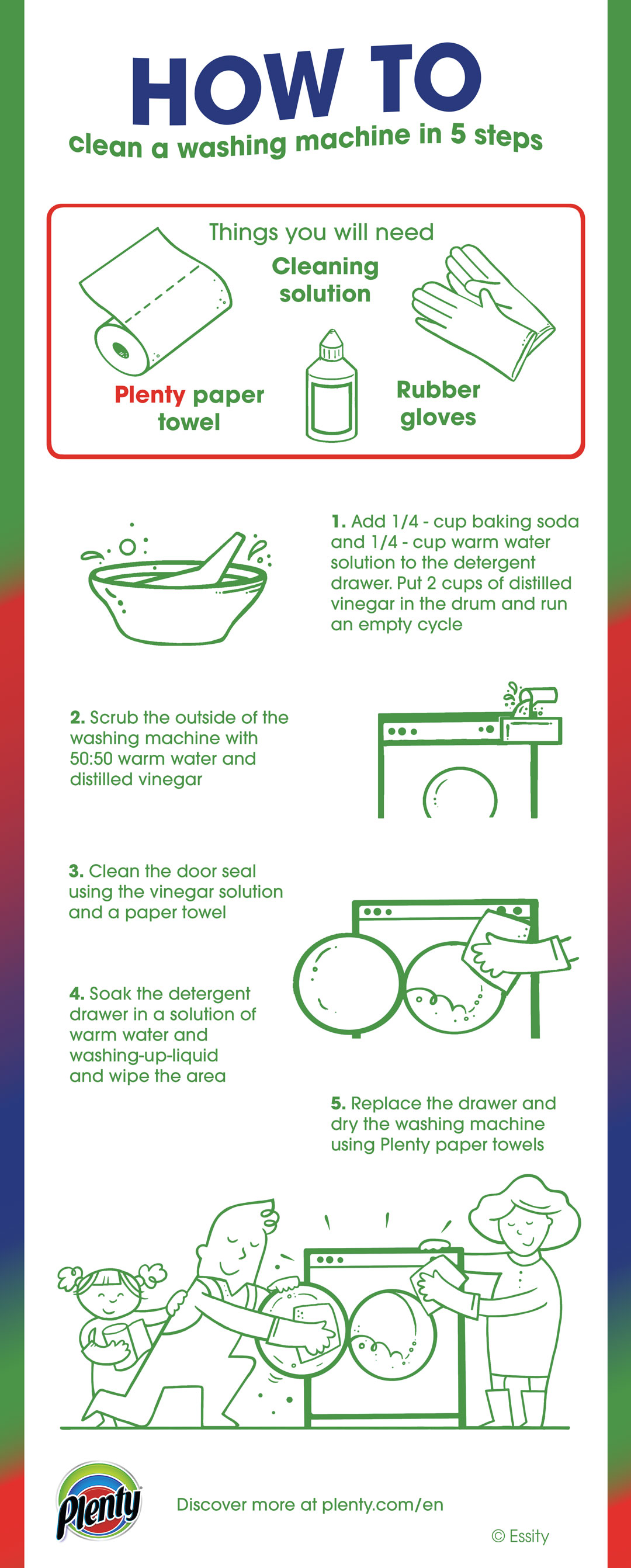
Step 1: Prep the Area
Unplug the damn thing. Seriously. Safety first. You don’t want to accidentally start a cycle while your hands are covered in soapy water. It’s a mess. Then, clear the area around the washer. Move any clutter. You need space to work.
Step 2: The Gentle Wipe-Down
Mix a few drops of dish soap with warm water in your spray bottle. Lightly spray a microfiber cloth, not the machine directly. Start wiping down the surfaces. Top, sides, front. Get it all. This initial pass gets the loose dirt and dust off.
If you have a top-loader, pay attention to the lid. The underside collects a lot of crap. If it’s a front-loader, wipe down the door and the surrounding gasket area. That rubber seal can get gnarly. More on that later.
Step 3: Tackling Tougher Grime
Got stubborn spots? Use the baking soda paste. Apply it with your finger or the toothbrush. Let it sit for a few minutes. Then, gently scrub. Rinse the paste off with a damp cloth. For really tough soap scum or mildew, try the diluted vinegar. Spray it on, let it sit for 5-10 minutes. Wipe clean. Then, follow up with a clean, damp cloth to remove any vinegar residue. You don’t want your laundry smelling like a salad.
To be fair, sometimes you just need a little elbow grease. Don’t be afraid to scrub a bit. But gently. We’re cleaning, not sanding.
Step 4: Don’t Forget the Nooks and Craies
Use that old toothbrush. Get around the buttons. In the dispenser drawer area. Underneath the control panel. Where the door meets the body. This is where the real nasties hide. You’d be surprised. I once found a rogue sock clinging for dear life behind a control knob. True story.
Step 5: Rinse and Dry Thoroughly
Watch: HOW TO CLEAN YOUR WASHING MACHINE! (Quick & Easy!)
Wipe down the entire machine with a clean, damp microfiber cloth. This removes any leftover soap or cleaning solution. Then, grab a dry microfiber cloth and buff it dry. Get into all the corners. Don’t leave it wet. Water spots are ugly. And moisture breeds mildew. We’re fighting that war.
Step 6: The Special Case: Stainless Steel
If you’ve got a shiny stainless steel beast, use a dedicated stainless steel cleaner. Apply it according to the product directions. Usually, you spray it on a cloth, not directly on the appliance. Wipe with the grain of the steel. Then buff with a clean, dry cloth. This prevents streaks and protects the finish. Don’t use abrasive cleaners on stainless. You’ll ruin it.
Deep Dive: Specific Areas That Need Attention
The general wipe-down is good, but some parts need extra love. These are the problem zones. The places where grime hangs out and multiplies.
The Control Panel: Delicate but Crucial
This is the brain of your washer. Be gentle. Use a slightly damp cloth. Don’t spray liquid directly onto the panel. Water can seep into the electronics. Bad things happen. Clean around the buttons and dials with your toothbrush. If you see gunk build-up, use a cotton swab dipped in your mild soap solution. Wipe it clean. Then dry immediately.
The Door and Gasket: The Mildew Hotspot
Front-loaders, listen up. That rubber seal around the door is a breeding ground for mold and mildew. It traps water, lint, and soap residue. You have to clean this regularly. Pull back the gasket. Wipe inside with your soapy cloth. For stubborn mold, use your diluted vinegar solution. Let it sit, then wipe. Make sure you dry it thoroughly. I knew a woman who’d never cleaned her gasket. Her laundry started smelling like a swamp. Her solution? Buying a new machine. Waste of money.
For the glass on the door, just a quick wipe with your general cleaner. Use a separate cloth for the glass so you don’t transfer grime.
The Detergent Dispenser: A Sticky Situation
This drawer gets caked with dried detergent and fabric softener. Remove the drawer if possible. Soak it in warm, soapy water for a bit. Scrub with your toothbrush. Rinse and dry completely before putting it back. If you can’t remove it, use your toothbrush and a damp cloth to clean it in place. Pay attention to the slots where the liquid dispenses. Clogs happen.
The Exterior Venting (If Applicable)
Watch: What's the BEST Way to CLEAN Your Washing Machine?
Some washers have external vents. Check your manual. If yours does, make sure it’s clear of lint and debris. A clogged vent is a fire hazard. Use a vacuum cleaner attachment or a brush to clear it out. This is less about cleaning and more about safety.
Maintenance Schedule: Don’t Let It Get Gross Again
Consistency is key. You don’t want to go back to square one. Set up a routine.
Weekly Quick Wipe
Once a week, grab a microfiber cloth and give the exterior a quick once-over. Wipe down the door, the top, and the control panel. Takes 2 minutes. Prevents major buildup.
Monthly Deep Clean
Once a month, do the full treatment. Clean the gasket, the dispenser, and any tough spots. This is when you might use the baking soda paste or diluted vinegar.
The Stainless Steel Ritual
If you have stainless steel, polish it monthly. Or whenever it looks particularly grimy. Keep that shine going.
Honestly, sticking to this schedule makes life easier. You avoid those deep-set stains and the lingering smells. It’s a small effort for a big payoff.
Troubleshooting Common Exterior Issues
Sometimes, things go wrong. Stains. Scratches. Rust. Here’s how to handle them.
Watch: How To Clean Your Top Load Washing Machine
Tackling Stubborn Stains
For general stains, your mild soap solution or diluted vinegar should work. For tougher, dried-on stuff, try the baking soda paste again. Gently scrub. If it’s a colored stain (like ink or paint), you might need a specialized cleaner. Test it in an inconspicuous spot first. Look, you gotta be careful with chemicals.
Dealing with Scratches
Minor scratches on painted surfaces can sometimes be touched up with appliance touch-up paint. For stainless steel, it’s tougher. You can buy scratch removal kits, but they’re tricky to use. Often, you just have to live with them. Or, in extreme cases, replace the panel. Not worth the hassle for a small scratch, in my opinion.
Rust Spots: The Dreaded Enemy
Surface rust, especially on older machines, can happen. Clean the area with your mild soap. Then, use a rust remover product specifically designed for appliances. Follow the instructions carefully. If the rust is deep or widespread, it might be a sign the machine is nearing the end of its life. Replacing the outer casing is usually not cost-effective.
The thing is, rust often indicates underlying issues. Moisture getting where it shouldn’t. Keep an eye on it. Don’t ignore it.
Table: Cleaning Frequency and Methods
| Area/Problem | Frequency | Method | Notes |
|---|---|---|---|
| General Exterior Surfaces | Weekly | Mild soap and water on microfiber cloth | Quick wipe-down |
| Door Gasket (Front-loader) | Monthly (or as needed) | Mild soap, diluted vinegar for mold | Pull back and clean thoroughly. Dry well. |
| Detergent Dispenser | Monthly | Remove drawer, soak, scrub with toothbrush | Ensure it’s completely dry before reinserting. |
| Control Panel | Weekly/Monthly | Slightly damp cloth, cotton swabs for tight spots | Never spray directly. Dry immediately. |
| Stainless Steel Finish | Monthly/As needed | Dedicated stainless steel cleaner, buff with grain | Use soft cloths only. |
| Stubborn Stains | As needed | Baking soda paste, specific stain removers (test first) | Gentle scrubbing is key. |
| Rust Spots | As needed | Mild soap, then appliance-specific rust remover | Monitor for underlying moisture issues. |
Frequently Asked Questions
What can I use to clean the outside of my washing machine?
You can use a solution of mild dish soap and warm water. For tougher spots, a paste of baking soda and water works as a gentle abrasive. Diluted white vinegar (1:1 with water) is good for mildew and deodorizing. For stainless steel, use a dedicated stainless steel cleaner. Always use soft microfiber cloths.
How to clean an outside washing machine?
Start by unplugging the machine. Wipe down the general surfaces with a microfiber cloth dampened with mild soap and water. Use a toothbrush for nooks and craies. Pay special attention to the door gasket and detergent dispenser, especially on front-loaders, as these can harbor mold and grime. Rinse with a clean damp cloth and dry thoroughly with a dry cloth. For stainless steel, use a specific cleaner and buff with the grain.
What to clean outside of washer and dryer with?
For both washers and dryers, the best approach is a mild dish soap and warm water solution applied with a microfiber cloth. Avoid harsh chemicals or abrasive scrubbers that can damage the finish. For stainless steel appliances, use a stainless steel cleaner specifically designed for them. For tough grime or mildew, diluted white vinegar or a baking soda paste can be effective. Always follow up by wiping with a clean, damp cloth and drying thoroughly.
Can I use all-purpose cleaner on my washing machine exterior?
It depends on the cleaner and the finish of your machine. Many all-purpose cleaners are too harsh and can damage paint or coatings, especially over time. It’s generally safer to stick to milder solutions like dish soap and water or diluted vinegar. If you must use an all-purpose cleaner, test it on a small, hidden area first to ensure it doesn’t cause discoloration or damage. Microfiber cloths are always the best choice for wiping.
How often should I clean the outside of my washing machine?
A quick wipe-down of the exterior surfaces, door, and control panel should be done weekly to prevent dust and light grime buildup. A more thorough cleaning, including the door gasket, dispenser drawer, and any tough spots, should be done monthly. If your machine is in a high-humidity area or experiences frequent spills, you might need to clean it more often.

Tyrone Jacobs is passionate about reducing household carbon footprints without sacrificing cleanliness. Her articles focus on high-efficiency (HE) machines, low-water washing techniques, and DIY natural machine-cleaning solutions. If you want to lower your utility bills and keep harsh chemicals out of your drain hoses, Tyrone Jacobs is your go-to expert.