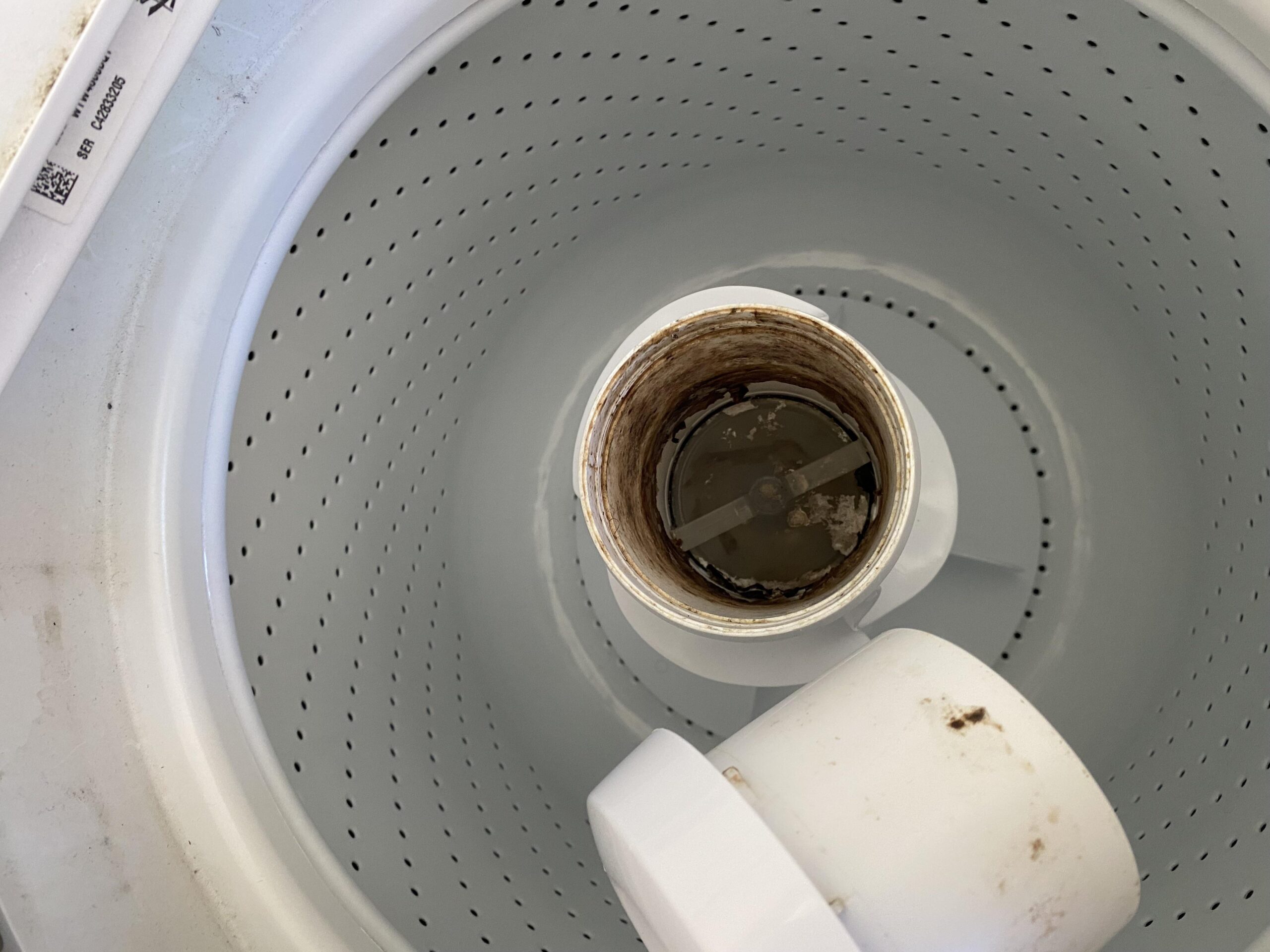
Stop Letting That Gooey Mess Ruin Your Wash. How To Clean Washing Machine Fabric Softener Dispenser. For Real.
Look, we all use it. That fluffy-making, static-fighting goop. Fabric softener. Smells great, feels nice. But the dispenser? It’s a horror show. A breeding ground for mold. A sticky, cloggy nightmare. Honestly, if you haven’t cleaned yours in, say, a year? You’re probably gross. And your clothes? They might not be getting as soft as you think. Or worse, they’re getting this crap all over them.
The thing is, manufacturers don’t exactly scream about this. They want you to buy more machines, more detergent. Not maintain the one you’ve got. But a clean dispenser means a cleaner wash. It means your machine actually works like it’s supposed to. Simple as that. Let’s get this done. No fluff. Just the facts. Your machine’s guts need a scrub. And yeah, that includes the fabric softener bit.
I remember my aunt Carol. Bless her heart. Her Whirlpool had a permanent funk. Smell like wet dog mixed with stale flowers. For years. Turns out? Her dispenser was practically fossilized. Like, actual cement-hard gunk. Took me an hour to chip it out. She’d been putting softener in there since 1998. Didn’t clean it once. She thought it ‘cleaned itself.’ Yeah, right. Don’t be Aunt Carol.
The Problem: Why Your Dispenser Is a Disaster Zone
Fabric softener isn’t just liquid. It’s a chemical cocktail. Surfactants, oils, polymers. Designed to coat fibers. And when it sits? It thickens. It coagulates. It turns into this horrible, semi-solid sludge. Especially when mixed with residual detergent. Or even hard water minerals. It sticks. It hardens. It clogs. It’s not pretty.
And that sludge? It’s prime real estate for mildew and mold. Dark, damp, always got food. Your washing machine is basically a tiny, humid terrarium for nasty microbes. All thanks to that ‘softening’ agent you thought was so harmless. Great, right? So much for freshness.
This build-up doesn’t just look bad. It blocks the flow. The softener doesn’t get dispensed correctly. Sometimes it doesn’t get dispensed at all. Or it leaks out at the wrong time. You end up with uneven softening. Or worse, stiff clothes that smell vaguely… wrong. To be fair, sometimes it’s just a bad batch of softener. But mostly? It’s neglect.
Your Weaponry: What You’ll Need To Fight Back
You don’t need a hazmat suit. But you do need a few things. Stuff you probably already have. If not? Go get it. This ain’t optional.
- Hot Water: The universal solvent. Mostly.
- White Vinegar: Acidic. Cuts through that greasy softener gunk like nobody’s business.
- Baking Soda: Mild abrasive. Deodorizer.
- Old Toothbrush / Small Scrub Brush: For getting into the nooks and craies.
- Microfiber Cloths / Rags: For wiping. And crying over the state of things.
- Gloves (Optional but Recommended): Keep your hands clean. Trust me.
- Screwdriver (Sometimes): If your dispenser drawer is a pain.
That’s it. See? No rocket science. Just elbow grease and common sense. Now let’s talk tactics.
The Battle Plan: Cleaning Your Fabric Softener Dispenser
Okay, deep breaths. We’re going in. The method depends. Is your dispenser removable? Or is it built-in? Most front-loaders have drawers. Top-loaders? Varies. We’ll cover both. Because everyone deserves clean clothes. Even you.
Watch: Step-By-Step on cleaning your softener dispenser in your …
Removable Dispensers: The Easy Win
This is the best-case scenario. Most front-loaders and some top-loaders have a drawer you can pull right out. Yours might have a release tab. Sometimes it’s a button. Sometimes you just gotta yank it hard. Google your model if you’re unsure. Seriously, who wants to wrestle with their appliance?
Once it’s out? Take it to the sink. Dump any loose gunk. Then, soak it. Hot water. A good glug of white vinegar. Let it sit for 30 minutes. Maybe an hour if it’s really bad. The vinegar works its magic. Softens the hardened goo.
After soaking? Grab that toothbrush. Scrub like you mean it. Get into all the little chaels and compartments. Rinse it thoroughly. Use more hot water. If there are stubborn spots, make a paste of baking soda and water. Apply it. Let it sit. Scrub again. Rinse. Make sure it’s completely dry before putting it back. Dampness breeds mold. Nobody wants that.
Non-Removable Dispensers: The Grimy Trench Warfare
This is where it gets ugly. Top-loaders, especially older ones, often have the dispenser built into the agitator or the rim. And it’s usually a pain. No drawer to pull out. Just little holes or slots. Fun.
First, try the soaking method as much as possible. Pour hot water and vinegar directly into the dispenser opening. Let it sit. Tilt the machine if you can, to get it to seep down. This might take a few tries.

Then? Toothbrush time. You’re going to be doing a lot of this. Reach in as far as you can. Scrub those openings. Try to dislodge any hardened bits. This is where patience is key. You’re not going to blast it clean in five minutes.
For really clogged openings, try using a bent paperclip or a small wire. Gently poke and prod. Be careful not to scratch the plastic. Or damage anything inside. The goal is to break up the blockage. Then flush with more hot water and vinegar.
Sometimes, you might need to run a cleaning cycle. After you’ve scrubbed as much as possible. Fill the machine with hot water. Add a cup or two of vinegar. Run a full cycle. This helps flush out whatever residue you loosened. Repeat if necessary. It’s a process. A dirty, smelly process.
The Big Clean: Ruing a Full Machine Detox
Cleaning the dispenser itself is only half the battle. The rest of the machine is probably gross too. Especially if the dispenser has been gunked up for a while. It’s time for a full spa day. For your washer. Which, to be fair, it probably deserves after enduring your neglect.
Empty the machine. All of it. Now, add about two cups of white vinegar directly into the drum. Or, if you’re feeling brave, pour some into the fabric softener dispenser opening again. Close the lid. Run the machine on its hottest, longest cycle. A ‘clean washer’ cycle if you have one. Or just the heaviest duty setting.

Once that cycle is done? Don’t stop. Now, add about half a cup of baking soda directly into the drum. Run another hot, long cycle. This helps neutralize the vinegar and scrub away any remaining residue. Seriously, listen to that machine groaning. It’s thanking you.
Wipe down the exterior. The door seal. The drum. Get rid of any lingering dampness. Leave the door open for a few hours to air it out. Let it dry completely. This whole process can take 3-4 hours. Worth it. Your machine will thank you. Probably with fewer weird smells.
Preventative Maintenance: Don’t Let It Get This Bad Again
The worst part is the build-up. The hardened, fossilized gunk. You fixed it once. Don’t let it happen again. It’s not that hard. Just requires a little consistency. Like flossing. You know you should. Do it.
Rule #1: Don’t overdo the softener. Seriously. A little goes a long way. Check the cap. Check the bottle. Use the recommended amount. Maybe even less. All that extra stuff just sits there, waiting to become sludge. Most modern detergents have softening agents anyway. You might not even need it.
Rule #2: Clean the dispenser regularly. How often? Depends on usage. If you do laundry daily? Monthly. If you do laundry weekly? Every 2-3 months. Pull out the drawer. Give it a quick rinse. Wipe it down. Takes two minutes. Two minutes versus hours of scrubbing? Easy choice.
Watch: Cleaning Your Top Load Washer Dispenser
Rule #3: Run a cleaning cycle monthly. Use a dedicated washing machine cleaner. Or just that vinegar trick. A hot water cycle with vinegar or a cleaner. Keeps the whole system clean. Not just the dispenser.
Rule #4: Wipe up spills immediately. Fabric softener bottles can be messy. If you spill some on the machine? Wipe it. If you spill some near the dispenser? Wipe it. Don’t let it sit and fester.
Dispenser Deep Dive: Common Issues & Solutions
Sometimes, even with cleaning, things go wrong. The dispenser still leaks. Or it won’t dispense properly. What gives?
The Leaky Dispenser Drawer
This is usually a seal issue. Or the drawer isn’t seated correctly. Make sure the drawer is pushed in all the way. Fully seated. If it’s still leaking? Check the rubber seals around the drawer opening. Are they cracked? Damaged? If so, you might need to replace them. Or the whole drawer unit. Check your manual. Or call a repair guy. Sometimes you gotta pay to play.
Softener Not Dispensing
Most likely, it’s still clogged. Even after cleaning. Or the siphon tube is blocked. (If your machine has one). Gently probe the dispenser holes again. Try ruing hot water through them. If it’s still a no-go? You might have a blockage deeper in the machine. That’s usually a job for a professional. Or someone who likes taking machines apart. Me? I’d just skip the softener. Problem solved.
A Personal Anecdote: My neighbor, bless his DIY heart, tried to ‘fix’ his dispenser clog with superglue. Not the glue itself. But he was trying to seal a tiny crack around the opening. Ended up gluing the whole dispenser shut. Permanently. Took a professional three hours and a new drawer unit to fix. Don’t be that guy. Stick to the vinegar.
Watch: Washing Machine Fabric Softener Dispenser Does Not Empty
The Cost of Neglect: What Happens If You Do Nothing?
You think ignoring it is saving you time? Wrong. You’re just postponing the inevitable. And making it worse.
1. Mold & Mildew Growth: We’ve covered this. It’s gross. It can spread to clothes. And if you have allergies? Big trouble. That musty smell isn’t just ‘old clothes.’ It’s mold spores.
2. Damaged Laundry: The gunk can transfer. White clothes might get yellow streaks. Colors can get duller. You’re not softening. You’re staining.
3. Machine Damage: Clogs can put strain on the pump. The water lines. Over time? You could cause actual mechanical failure. Repairs are expensive. Way more than vinegar.
4. Inefficiency: Your machine works harder. Uses more water. Uses more energy. Trying to compensate for blockages. It’s a waste of resources. And money.
Table: Cleaning Schedule Recommendations
| Task | Frequency (Light Use) | Frequency (Heavy Use) | Notes |
|---|---|---|---|
| Wipe Dispenser Drawer | Monthly | Bi-weekly | Quick rinse and wipe. |
| Deep Clean Dispenser | Every 3-4 Months | Monthly | Soak and scrub. |
| Run Machine Cleaning Cycle | Every 2-3 Months | Monthly | Vinegar or cleaner. Hot cycle. |
| Inspect Seals/Hoses | Aually | Aually | Check for damage/leaks. |
Make this a habit. Its not rocket surgery. Just basic upkeep. Your machine, and your clothes, will be better for it.
Frequently Asked Questions
How to clean washing machine fabric softener drawer?
Pull the drawer out if removable. Soak in hot water and white vinegar for 30-60 minutes. Scrub with an old toothbrush, paying attention to all crevices. Rinse thoroughly with hot water. For stubborn residue, use a baking soda paste. Ensure the drawer is completely dry before reinserting. If non-removable, pour hot water and vinegar into the openings, let sit, scrub with a brush, and flush with more hot water. Run a hot cleaning cycle afterwards.
Should I put vinegar in the bleach or fabric softener dispenser?
Never mix vinegar with bleach. It creates toxic chlorine gas. If you want to use vinegar for cleaning, use it in the fabric softener dispenser or directly in the drum during a cleaning cycle. For regular laundry softening, stick to fabric softener or skip it. Vinegar can be used as a rinse aid in the softener compartment for odor removal and fabric softening, but don’t use it at the same time as commercial fabric softener or bleach.
What dissolves built-up fabric softener?
White vinegar is your best bet. Its acidity breaks down the oily, sticky residue of fabric softener. Hot water also helps. For really tough, hardened build-up, a paste of baking soda and water can act as a mild abrasive after soaking in vinegar. Allow the vinegar soak time to work first; then use the baking soda paste on remaining stubborn spots.
How often should I deep clean my washing machine?
For most households with average laundry loads (2-4 loads per week), a deep clean every 2-3 months is sufficient. If you have a large family, do laundry daily, or notice odors or residue, aim for monthly deep cleans. This includes ruing a hot cycle with vinegar or a dedicated washer cleaner, and also cleaning out the dispenser drawers thoroughly.
Can fabric softener damage my washing machine?
Yes, definitely. Over time, the build-up can clog internal hoses and the pump, leading to reduced efficiency and potential mechanical failure. The sticky residue can also harbor mold and mildew, which isn’t great for the machine’s components or for your laundry’s hygiene. Regular cleaning prevents this damage.

Lonnie Clarke believes that taking care of your washing machine starts with what you put into it. As a former textile quality controller, she understands exactly how different fabrics, water temperatures, and detergents interact with your appliance’s drum. She writes our comprehensive guides on preventing mold, choosing the right cycles, and extending the life of your clothes.