Stop Smelling That Funk. How To Clean Washing Machine Drum Top Loading. Now.
Look, your washing machine is a dirty business. Literally. It churns through your dirtiest socks, your sweaty gym clothes, that one towel you keep forgetting to hang up. And all that grime? It doesn’t just vanish. It builds up. In the drum. In the hoses. Everywhere. Honestly, most people just ignore it until the machine starts smelling like a petri dish. Or worse, until their clean clothes come out dirtier than they went in.
This ain’t rocket science. But it ain’t scrubbing toilets either. It’s somewhere in the middle. And if you’ve got a top loader, you’re probably wondering, ‘How the hell do I actually get in there and clean this thing?’ Well, you’re in the right damn place. We’re goa rip this whole process apart. No fluff. Just facts. And maybe a little bit of my usual charm.
Your Top Loader’s Dirty Secret.
The thing is, top-loading machines can be sneaky. All that water sloshing around? It rinses most of the loose stuff away. But detergent residue, fabric softener gunk, lint, hair… it all finds a home. Usually at the bottom. Or clinging to the sides. Sometimes even under the agitator – that big fin thing in the middle. It’s a breeding ground for mold and mildew. Smells. Stains. Your machine’s lifespan? Shorter. Much shorter.
I remember my neighbor, bless her heart, she swore by those ‘odor eliminator’ pods. Used one every other load. Her machine still stunk. Turns out, she hadn’t actually cleaned the damn thing in like, five years. Five years! The pods just masked the smell. Didn’t solve the problem. That’s like putting lipstick on a pig. It’s still a pig. You gotta get in there and scrub.

The Pre-Game: What You Actually Need.
Before we get nasty, gather your weapons. You ain’t going in bare-handed. Or bare-faced, for that matter. Nobody wants mold spores up their nose. So, let’s list this out:
- Gloves: Thick rubber ones. Get ’em past your wrists.
- Mask: A decent N95 or similar. Trust me on this.
- Microfiber Cloths: A stack. You’ll need ‘em for wiping.
- Old Toothbrush: Perfect for nooks and craies.
- White Vinegar: The king of cheap, effective cleaners. Get a gallon.
- Baking Soda: Your partner in grime. Another box.
- Bleach (Optional, Use with Caution): For serious mold. Not for every machine, not for every person. More on this later.
- Spray Bottle: For your vinegar solution.
- Bucket: For rinsing or holding nasty water.
- Maybe a Flathead Screwdriver: For prying. We’ll see.
Phase 1: The Drum Deep Dive.
This is the main event. How to clean washing machine drum top loading. It’s not complicated, but it needs commitment. We’re going to do a hot water cycle with some serious cleaning agents. But we gotta prep first.
Step 1: Empty Everything. Duh.
Obvious, right? Clothes out. Anything loose out. Check pockets. Seriously, I found a half-eaten granola bar in one once. Gross.
Step 2: Wipe Down the Rubber Seal.
Most top-loaders don’t have a tight rubber seal like front-loaders. But still. Check around the lid. Around the detergent dispenser. Anyplace grime can hide. Wipe it down with a damp cloth. If you see black mold spots? Hit ’em with a 50/50 vinegar-water mix in your spray bottle. Let it sit for a few minutes, then wipe. Tough spots? Toothbrush time.
Step 3: Tackle the Detergent Dispenser.
This thing is usually a disaster. Pull it out if you can. Mine slides right out. Yours might too. If not, just jam a cloth or brush in there and scrape. Use hot water and maybe a little dish soap. Rinse it well. Let it air dry completely before putting it back. Because moisture equals mold. You get the picture.
Step 4: The Hot Water Cycle – Vinegar Power!
Okay, here we go. Pour about 2 cups of plain white vinegar directly into the drum. Or into the detergent dispenser if you can’t pour it directly. Now, run the machine on the hottest water setting. Use the longest cycle available. Heavy Duty. Sanitize. Whatever your machine calls its most intense wash. Let it run. Full cycle.
This vinegar bath is crucial. It breaks down soap scum, mineral deposits, and general funk. It’s cheap, it’s effective, and it doesn’t leave toxic fumes like bleach can. Plus, it kills a surprising amount of bacteria. Honestly, for most top loaders, this is enough. The bulk of the cleaning happens here.
Step 5: The Hot Water Cycle – Baking Soda Boost!
Finished the vinegar cycle? Good. Now, sprinkle about half a cup of baking soda directly into the drum. Close the lid. Run another hot, long cycle. Same settings as before. The baking soda acts as a mild abrasive and a deodorizer. It neutralizes any lingering vinegar smell and helps scrub away any remaining residue. It’s like a spa day for your machine. A really, really grimy spa day.
Watch: How To Clean Your Top Load Washing Machine
Phase 2: The Agitator Aihilation.
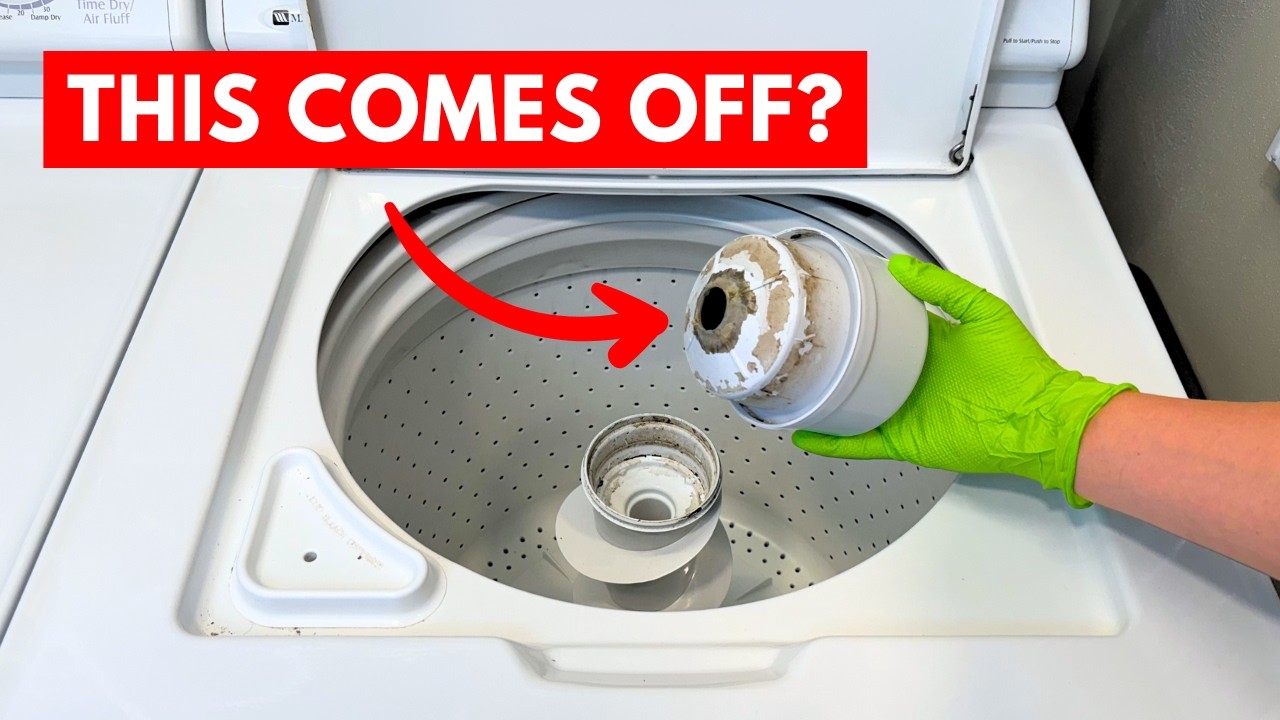
This is where top-loaders get extra gross. That agitator. It’s the central post. It twists and turns. It grabs clothes. It also grabs hair, lint, and goo. And sometimes, it’s a pain in the ass to clean properly.
Step 6: Inspect the Agitator Base.
Look down around the base of the agitator. Is there lint stuck there? Hair? That weird grey sludge that sometimes forms? If you see anything, try to pick it out with your fingers (gloves on, remember?). If it’s really stuck, you might need that screwdriver to gently pry around the edges. Be careful not to scratch the plastic or the drum.
Step 7: The Agitator Removal (If Possible).
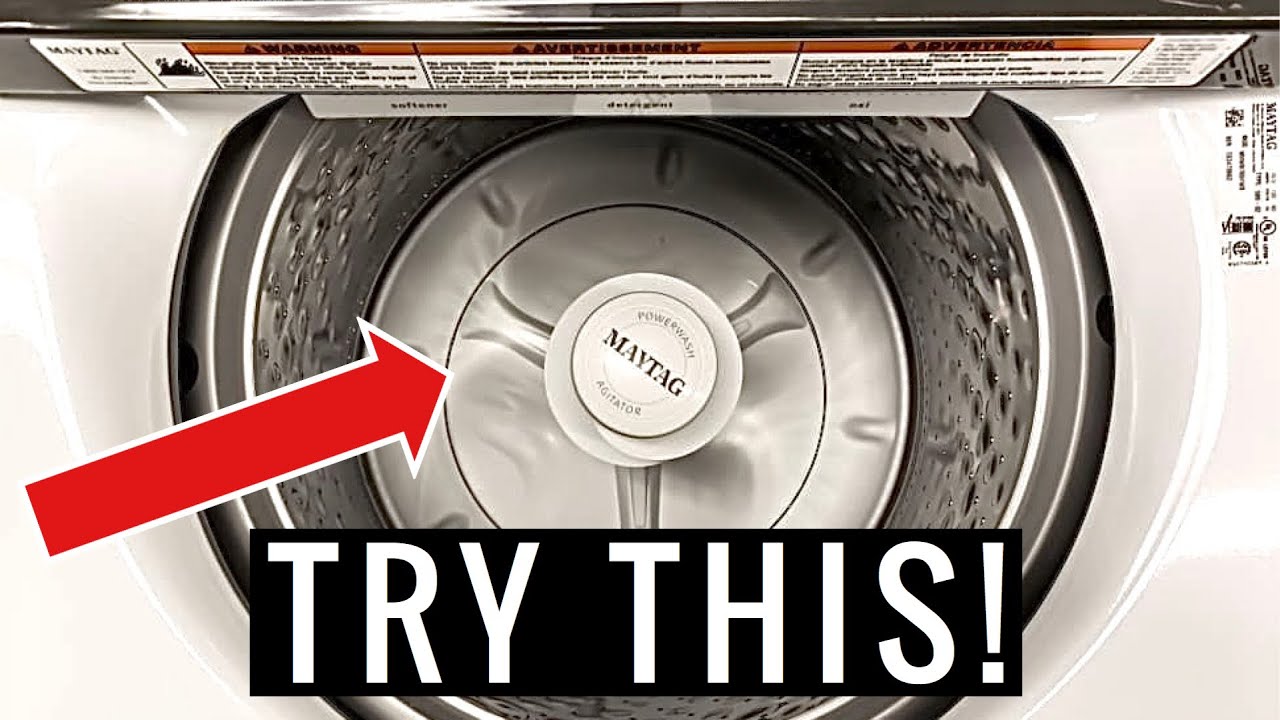
Some agitators are designed to be removed. Check your manual. If yours is, this is the time to do it. Usually, there’s a cap on top you can pop off. Then a bolt or screw underneath. Remove it. Lift the agitator straight up. Sometimes they’re stuck. Give ‘em a wiggle. Gently.
Once removed, you can really get in there. Wipe down the agitator itself. Scrub the base of the machine where the agitator sat. Use your vinegar spray and your toothbrush. Rinse thoroughly. Let everything dry. This is where you’ll see the worst of the build-up. Honestly, it’s usually disgusting. Like a fuzzy monster lived there.
If your agitator doesn’t come out? Don’t sweat it too much. You can still do a decent job by scrubbing around its base as best you can. The hot water cycles will have loosened a lot of the gunk anyway. The key is just to get access to as much surface area as possible.
Phase 3: The Exterior and Exhaust.
Don’t forget the outside and the places you can’t see but can smell.
Step 8: Clean the Exterior.
Wipe down the outside of the machine. The lid. The control panel. Use a damp cloth with a little bit of mild soap or your vinegar spray. Don’t drench the electronics, obviously. Dry it off. Shiny again. Looks better. Feels better.
Step 9: Clean the Lint Trap (If Applicable).
Some top-loaders have a lint filter or trap. Usually, it’s a small mesh bag or a filter inside the drum or along the rim. Check your manual. If you have one, pull it out and clean it. Lint buildup here can impede drainage and cause smells. Rinse it under ruing water. Get all that fuzzy crap out.
Step 10: Run a Final Rinse Cycle (Optional).
Feeling paranoid? Want to be extra sure? Run one last hot water rinse cycle. No additives. Just water. This flushes out any lingering vinegar or baking soda residue. It’s overkill for some, but hey, peace of mind.
When to Bring Out the Big Guns (Bleach).
Okay, so vinegar and baking soda are generally enough. They’re safer, they work. But what if you’ve got stubborn black mold? The kind that looks like it’s part of the plastic? This is where bleach comes in. USE WITH EXTREME CAUTION.
Bleach Warning: Read This First.
Bleach is harsh. It can damage certain materials. It can react badly with other cleaners (NEVER mix bleach and vinegar – it creates toxic gas!). Many newer machines, especially those with stainless steel drums, recommend against using bleach. Check your manual.
If your manual says it’s okay, and you have a serious mold problem:
- DO NOT use vinegar or baking soda in this cycle.
- Pour 1 cup of bleach into the detergent dispenser or directly into the drum.
- Run the hottest, longest cycle.
- After the cycle finishes, run an additional rinse cycle to make sure all bleach residue is gone.
This is a last resort. For most people, sticking to vinegar and baking soda will keep their top loader smelling fresh and working properly. Don’t use bleach more than once every few months, if that. It’s overkill.
Watch: CLEAN your WASHING MACHINE like THIS & Say Bye-bye to …
How Often Should You Do This?
Honestly? It depends. How often do you do laundry? What kind of detergent do you use? Do you leave wet clothes in there for days? A good rule of thumb:
The Monthly Maintenance Clean.
Do the vinegar and baking soda cycles once a month. This should keep things in check for most households. It takes maybe an hour and a half, tops. Minimal effort for a clean machine.
The ‘Uh Oh’ Clean.
If you start smelling funk, see visible grime, or notice clothes aren’t getting clean, do the full deep clean immediately. Don’t wait. That smell won’t go away on its own. It’ll only get worse.
Common Top Loader Cleaning Mistakes.
People screw this up. A lot. Here’s what NOT to do:
Mistake 1: Using Too Much Detergent.
The biggest culprit. People think more soap equals cleaner clothes. Wrong. Too much detergent doesn’t get fully rinsed away. It builds up. It traps dirt. It creates that nasty sludge. Use the amount recommended on the detergent box. Seriously. Or even a little less. Especially with HE (High Efficiency) machines. They need less.
Mistake 2: Using Cold Water for Everything.
Cold water is great for saving energy. But it doesn’t dissolve detergent or clean as effectively as hot water, especially for breaking down grease and grime. Use hot water for your cleaning cycles. And consider using it for your regular loads of towels, sheets, and heavily soiled items.
Mistake 3: Ignoring the Manual.
Your machine’s manual is your friend. It tells you if your agitator comes out. It warns you about bleach. It lists specific cleaning recommendations for your model. Don’t toss it! It’s a valuable resource. Unlike that flimsy warranty card.
Mistake 4: Using Harsh Abrasives.
Steel wool? Scouring pads? Forget it. You’ll scratch the drum. You’ll damage the seals. Stick to vinegar, baking soda, and soft cloths. The toothbrush is okay for tight spots, but be gentle.
Cost Comparison: DIY vs. Professional.
Let’s talk money. How much does this cost you? Compared to what?
Watch: Samsung Top load Washer drum cleaning 1of 3
| Service/Item | Estimated Cost | Notes |
|---|---|---|
| DIY Cleaning Supplies (Vinegar, Baking Soda, Gloves) | $5 – $15 | One-time purchase, lasts months |
| Professional Appliance Cleaning Service | $100 – $250+ | Per visit, may not address all internal issues |
| New Washing Machine | $500 – $1500+ | If you wait too long and ruin it |
The math is simple. Cleaning your own machine costs next to nothing. Letting it get disgusting costs you money in the long run. Either through repair calls or buying a new machine before you have to. Don’t be that person.
Frequently Asked Questions
How do you clean sludge out of a washing machine drum?
The best way to clean sludge from a washing machine drum is to run two hot, long cycles. First, run one cycle with 2 cups of white vinegar directly in the drum. Second, after the vinegar cycle, run another hot, long cycle with about half a cup of baking soda sprinkled into the drum. These cycles, especially on the hottest setting, will help break down and flush out the sludge. Ensure you wipe down any accessible areas like the seal and dispenser afterward.
How do you remove sludge from a top loading washing machine agitator?
Start by checking the base of the agitator for visible sludge and lint; remove what you can by hand or with a cloth. If your agitator is removable, take it out according to your manual’s instructions. Once removed, you can thoroughly scrub the agitator and the area it sat in using a toothbrush and a vinegar-water solution. If the agitator is not removable, use a toothbrush and cloth to clean around its base as best as possible after the hot water cleaning cycles.
Can I use regular detergent to clean my washing machine?
No, you shouldn’t use regular laundry detergent to clean your washing machine. Detergent is designed to create suds and clean clothes, but it also leaves residue. Using it to ‘clean’ the machine often just adds more residue and gunk, defeating the purpose and potentially making the problem worse. Stick to vinegar, baking soda, or specialized washing machine cleaners.
What’s the best way to deodorize a top-loading washing machine?
White vinegar and baking soda are your best friends for deodorizing. Run a hot water cycle with 2 cups of white vinegar. After that cycle finishes, run another hot water cycle with half a cup of baking soda. These natural cleaners neutralize odors caused by mold, mildew, and detergent residue. Leaving the lid open after each use also helps air it out and prevent moisture build-up.
Is it safe to clean my washing machine with bleach?
Cleaning with bleach can be effective for stubborn mold and mildew, but it should be used with extreme caution and only if your washing machine manual permits it. Bleach can damage certain materials and should never be mixed with vinegar or ammonia, as this creates toxic fumes. If you do use bleach, use about 1 cup, run a hot water cycle, and follow up with an extra rinse cycle to ensure all residue is removed. For most routine cleaning and deodorizing, vinegar and baking soda are safer and sufficient alternatives.

Mary Snodgrass oversees all content at WashingMachineCare.com with a keen eye for detail and consumer advocacy. Spending over a decade in appliance retail management, he knows the industry tricks and which brands actually stand the test of time. Mary Snodgrass buying guides help readers navigate confusing spec sheets to find the perfect washer for their household needs and budget.