How To Clean Shower Curtain In Washing Machine: The Only Guide You Need
Look, nobody wants a grimy shower curtain. It’s gross. It’s moldy. It smells like despair. The thing is, most people just toss ‘em or buy new ones. Waste of money. And frankly, effort. You can actually clean that thing. Right in your damn washing machine.
This ain’t rocket science, but you gotta do it right. Skip a step? You’ll end up with a melted plastic mess. Or worse, a curtain that looks exactly the same, just… damp. Nobody needs that.
I’ve seen too many good shower curtains ruined. Too many people giving up. Honestly, it’s sad. You bought a nice curtain, maybe that fancy linen blend you saw on Insta for $60. Don’t let it become a science experiment for mildew. We’re goa fix that. We’re talking about how to clean your shower curtain in the washing machine. Simple. Effective. No bullshit.
Why Bother Cleaning Your Shower Curtain?
Simple: hygiene. And money. Think about it. That damp, steamy box is a breeding ground. For what? Mold. Mildew. Soap scum. All the delightful things you DON’T want hanging over your head while you’re trying to relax. To be fair, it gets worse if you ignore it. That little bit of mold becomes a thick, black carpet. And the smell? Forget about it.
Plus, new shower curtains aren’t free. A decent fabric one? Easy $40-$80. Plastic ones are cheaper, sure. But they still fade, get stained, and frankly, look like crap after a few months. Cleaning it yourself adds maybe an hour of your time, tops. Versus shelling out another fifty bucks? No contest.
Watch: How to Wash a Shower Curtain Liner in Washing Machine
I remember in ’09, my buddy Dave swore he’d just buy a new one every three months. Said it was easier. Dude was spending $150 a year. I showed him this method. Saved him a bundle. And his bathroom looked cleaner.
Know Your Enemy: Shower Curtain Materials
This is CRUCIAL. You can’t just shove any old curtain in the wash. You’ll regret it. Most are either plastic (PVC, PEVA) or fabric (polyester, cotton, linen blends).
Plastic Shower Curtains (PVC/PEVA)
These are the cheap ones. The ones that cling to you in the shower. They’re the most prone to that nasty mildew buildup. They’re also the easiest to damage in the wash. Too much heat? Melted disaster. Too much agitation? Ripped to shreds.
Fabric Shower Curtains
These are nicer. They hang better. They don’t cling. But they soak up water. And guess what happens when fabric soaks up water and sits there? Mildew. Lovely.

The key with fabric is usually durability. Most modern fabric curtains are designed to be washed. They’re often polyester or blends. Cotton? More challenging. It holds onto moisture like a drunk uncle at a wedding.
How To Clean Shower Curtain In Washing Machine: The Game Plan
Alright, let’s get down to brass tacks. This is the core of it. How to clean shower curtain in washing machine without turning it into a sacrifice to the laundry gods.
Step 1: Check the Care Label. NO EXCUSES.
Seriously. Is there a tag? Find it. Read it. It’ll tell you if it’s machine washable. If it says ‘Hand Wash Only’ or ‘Spot Clean,’ you’re probably goa have a bad time ignoring it. But most fabric and even some plastic ones say ‘Machine Washable’. If it’s not there? Proceed with extreme caution. Assume the cheapest, most delicate material possible.
Step 2: Pre-Treat Stains. Be Aggressive.
Got those black spots? That greyish film? Don’t expect the machine to do ALL the work. Before it goes in, hit those spots. A little diluted bleach (1 part bleach to 10 parts water) works wonders on white or light-colored plastic/polyester. For fabric, a good stain remover or a paste of baking soda and water is your friend. Let it sit for 15-30 minutes. Scrub lightly with an old toothbrush or soft brush. Get in there.
Step 3: Load the Machine. The Towel Trick.
This is NON-NEGOTIABLE for plastic curtains. And highly recommended for fabric. Throw in 2-3 old bath towels. Why? They act as scrubbers. They buffer the curtain, preventing it from getting shredded or mangled. They help rub the grime off. Cotton towels are best. Don’t use your fancy microfiber ones, you animal.
Don’t overload the machine. Give the curtain and towels room to move. If you have a huge curtain or a massive load, maybe do two separate small loads. Better safe than sorry.
Step 4: The Washing Cycle. Temperature is Key.
This is where you make or break it. Forplastic curtains (PEVA/PVC):

- Temperature: COLD WATER ONLY. NO EXCEPTIONS. Warm or hot water will warp, melt, or stretch it out of shape. It’ll look like a Dali painting.
- Cycle: GENTLE or DELICATE cycle. Low spin. You don’t need heavy duty here. Think ‘baby clothes’ setting.
Forfabric curtains (polyester/blends):
- Temperature: WARM WATER. Not hot, not cold. Warm is best for lifting dirt and mildew without damaging fibers. Check the tag if you’re unsure. Some might tolerate a hotter wash, but warm is usually safe.
- Cycle: NORMAL or DELICATE cycle. Medium spin is usually fine. These are tougher than plastic.
Detergent? Use a standard amount. Don’t go crazy. For mildew issues, a bit of white vinegar (about 1/2 cup) added to the rinse cycle can work wonders. It’s a natural deodorizer and disinfectant. Baking soda in the wash cycle (1/2 cup) also helps with odors and scrubbing.
Step 5: The Rinse. No Soap Residue.
Make sure it gets a good rinse. You don’t want detergent residue clinging to the fabric or plastic. Residue attracts dirt. It defeats the purpose. Most machines have a good rinse cycle. If you’re worried, run an extra rinse cycle. Especially for plastic curtains, which show residue easily.

Step 6: Drying. NO MACHINE DRYER.
THIS IS THE BIGGEST MISTAKE PEOPLE MAKE. NEVER put a shower curtain, especially plastic, in the dryer. The heat will melt it. Guaranteed. You’ll have a sticky, warped mess fused to the drum. Don’t do it. Seriously. I’ve seen people do it. It ain’t pretty.
How to dry:
- Take it out of the washing machine IMMEDIATELY. Don’t let it sit there.
- Shake it out vigorously. Get rid of excess water.
- Hang it back up on the shower rod. Use clips if you have them to hang it straight. Let it air dry completely. This might take 24 hours. Patience, grasshopper.
Fabric curtains are a bit more forgiving. Some might be okay on a LOW heat tumble dry setting, but air drying is always the safest bet. If the tag says tumble dry low, go for it. Otherwise, stick to hanging.
Cleaning Shower Curtain Rings and Hooks
Don’t forget the hardware! Those rings get gunk too. Most plastic or metal rings can just be tossed in with the curtain and towels. If they’re particularly grimy, a quick scrub with an old toothbrush and some cleaning spray before washing works wonders. Some fancy metal ones might need specific care, but for the average plastic hook? Machine wash, air dry.
How Often Should You Clean Your Shower Curtain?
Depends on usage and ventilation. Honestly? Once a month is a good general rule. If you have high humidity, poor ventilation, or notice the first signs of mildew (those little dots), bump it up to every two weeks. A quick spray with a daily shower cleaner can also help prolong the time between washes.
A Table of Wash Cycles (Because Visuals Help)
Here’s a quick rundown. Pay attention. This matters.
| Curtain Type | Water Temp | Cycle | Add-ins | Drying |
|---|---|---|---|---|
| Plastic (PVC/PEVA) | Cold | Gentle/Delicate | Towels (mandatory) | Air Dry ONLY |
| Fabric (Polyester Blend) | Warm | Normal/Delicate | Towels (recommended), Vinegar (optional) | Air Dry (preferred) or Tumble Dry Low (if tag allows) |
Pro Tips & Tricks
The Vinegar Rinse: A Secret Weapon
Watch: Washing a dirty shower curtain in the washing machine
White vinegar is your friend. Add about a cup to the rinse cycle. It kills mildew spores, deodorizes, and helps break down soap scum. Don’t worry, the smell washes out. It’s way better than harsh chemicals that can damage the material.
Baking Soda Power
Sprinkle about half a cup of baking soda into the drum before adding the curtain and towels. It acts as a mild abrasive and deodorizer. Works great for boosting detergent power on fabric curtains.
Watch: How To Clean a Shower Curtain
Don’t Forget the Liner
If you use a separate liner, clean that too! It’s usually the dirtiest part. Follow the same steps based on its material. Most liners are plastic or thin polyester and need the gentle, cold water treatment.
Prevention is Key
After washing, make sure the curtain hangs straight. Don’t let it bunch up. Spread it out fully. This allows air to circulate. A good exhaust fan in the bathroom helps immensely. Run it during and after showers. Open a window if you can. Keep the bathroom dry. It’s simple physics. Less moisture = less mold.
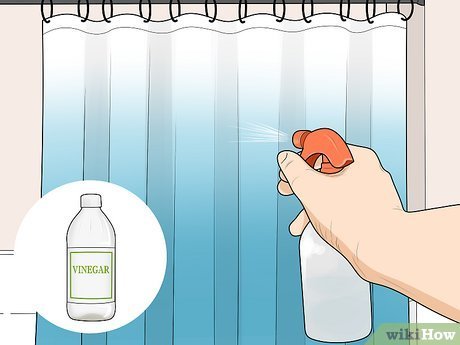
Consider a daily shower spray. A quick spritz after your shower can help prevent buildup. It’s like daily maintenance for your curtain.
Common Mistakes to Avoid
I’ve seen it all. People messing this up. Here’s what NOT to do:
- Using Hot Water on Plastic: Meltdown. Guaranteed.
- Skipping the Towels: Ripped or stretched curtain. Sadness.
- Machine Drying: Sticky, ruined mess. Never again.
- Bleach on Colors (Unless Diluted): Fading. Ugly patches.
- Overloading the Washer: Poor cleaning. Damage.
- Not Reading the Tag: Ignoring manufacturer instructions is just asking for trouble.
It’s not that complicated, honestly. Follow the steps. Use the right settings. You’ll have a clean shower curtain. No money wasted. No gross smells. Just a clean bathroom.
Frequently Asked Questions
How to clean a fabric shower curtain?
For fabric shower curtains, check the care label first. Generally, wash in warm water on a normal or delicate cycle. Add 2-3 old towels to the wash to help scrub and buffer. Use your regular detergent. For extra cleaning power or odor removal, add 1/2 cup of baking soda to the wash cycle and/or 1/2 cup of white vinegar to the rinse cycle. After washing, always air dry by hanging it back on the shower rod. Never use a machine dryer unless the care label explicitly allows it on a low heat setting.
Can you wash curtains with plastic rings in the washing machine?
Yes, absolutely. Most standard plastic shower curtain rings are designed to withstand a washing machine cycle. Toss them in with the shower curtain and a few old towels. Use a cold or warm water wash on a gentle cycle. Ensure they are completely air dried afterwards, usually by just leaving them hanging on the rod after the curtain is hung back up.
What if my shower curtain has stubborn mold or mildew?
For stubborn mold or mildew spots on white or light-colored curtains, you can pre-treat them. Make a paste of baking soda and water and let it sit on the spots for 30 minutes before washing. Alternatively, use a heavily diluted bleach solution (1 part bleach to 10 parts water) and apply it to the spots, letting it sit for 10-15 minutes before washing. Always test bleach on an inconspicuous area first, and never mix bleach with vinegar. For fabric curtains, a good quality mold and mildew remover spray designed for fabrics can also be used as a pre-treatment.
Can I use bleach to clean my shower curtain?
You can use bleach, but with extreme caution. It’s generally safe for white or light-colored plastic (PEVA/PVC) or polyester curtains when heavily diluted (1 part bleach to 10 parts water) and used as a pre-treatment for stains. For colored fabric curtains, bleach can cause significant fading or discoloration. Always check the care label. If unsure, opt for gentler methods like vinegar or baking soda. Never mix bleach directly with other cleaning products, especially ammonia or vinegar, as this can create toxic fumes.
How do I prevent my shower curtain from getting moldy in the first place?
Prevention is way easier than cleaning! After each shower, spread the curtain out completely so it can air dry. Don’t leave it bunched up. Ensure good bathroom ventilation by using an exhaust fan during and after showers, or opening a window. A quick daily spray with a bathroom cleaner or a diluted vinegar solution can also help prevent soap scum and mildew buildup. Regularly wiping down the bottom edge of the curtain where water tends to pool is also a good habit.

Tyrone Jacobs is passionate about reducing household carbon footprints without sacrificing cleanliness. Her articles focus on high-efficiency (HE) machines, low-water washing techniques, and DIY natural machine-cleaning solutions. If you want to lower your utility bills and keep harsh chemicals out of your drain hoses, Tyrone Jacobs is your go-to expert.