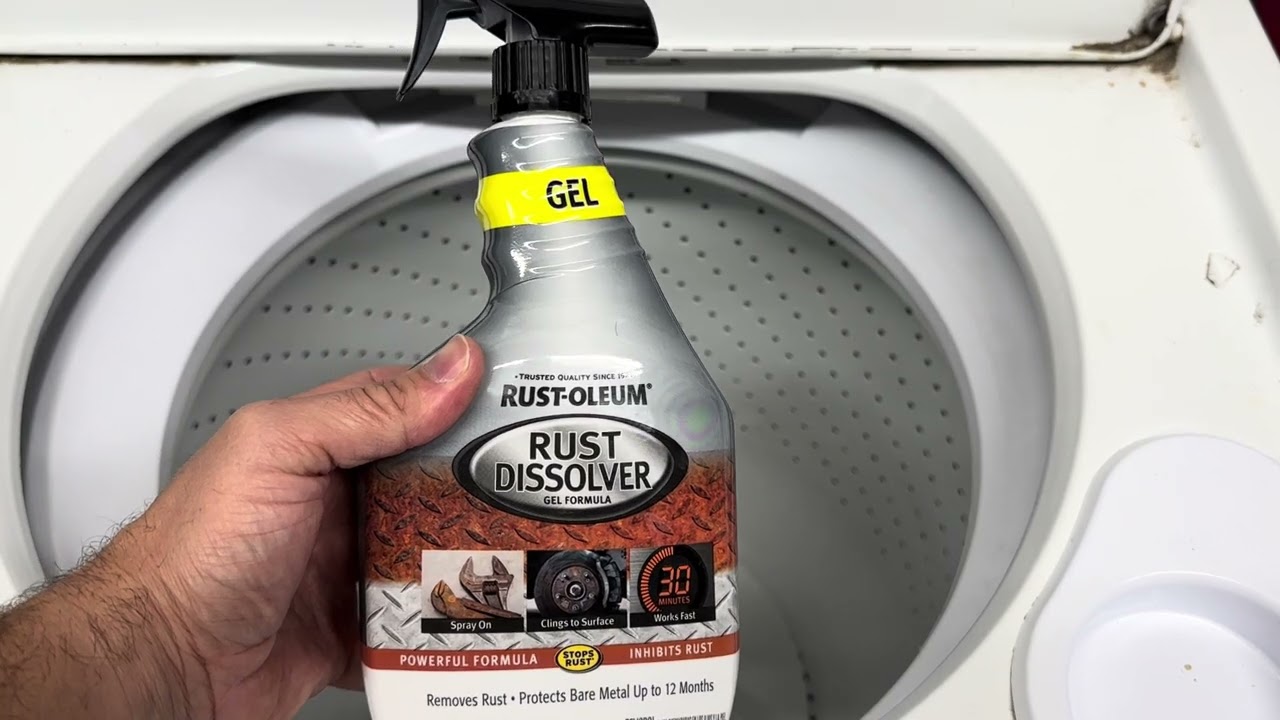
How To Clean Rust From Washing Machine
Look. You bought a washing machine. It does your laundry. It doesn’t do it for free. It rusts. Why? Because water, metal, and time. It’s not rocket science. It’s just… aoying. And it looks like hell. Nobody wants a rusty washing machine. It screams neglect. It screams ‘I don’t care’. Well, I care. You should too. Cleaning rust from your washing machine isn’t just about looks. It’s about function. It’s about longevity. It’s about not looking like a slob.
Why The Hell Is My Washing Machine Rusty?
Simple. Metal meets moisture. Usually where it shouldn’t. Think leaky seals. Think the detergent drawer overflows. Think that damn bleach you dumped in there thinking it would ‘clean’ it better. Chlorine bleach. Bad idea. Really bad. Honestly, the biggest culprits are usually external. Little spills around the control panel. Water pooling around the base. Sometimes, it’s just old age. The machine’s metal body corrodes. Especially if it’s housed in a damp basement. Or a humid laundry room. The thing is, it happens. Especially on older models. Or cheaper ones. You see orange streaks. Brown spots. Ugly as sin.
Rust on the Drum vs. Exterior: Different Beasts
This is critical. Rust on the outside? Aoying. Ugly. Affects resale value. Rust on the inside? Way worse. It’s a contaminant. It’ll transfer to your clothes. Especially your whites. You’ll end up with faint orange or brown tinges. You’ll think it’s your detergent. Or your water. Nope. It’s the damn drum. Or the agitator. Or whatever metal bits are sloshing around in there. Cleaning requires different approaches. Don’t treat ’em the same. That’s amateur hour.
Cleaning Exterior Rust: DIY Doesn’t Have To Suck
For the outside stuff, you’ve got options. Most are pretty simple. If it’s light surface rust, try a paste. Baking soda. Water. Mix it up. Smear it on. Let it sit. Scrub gently. Use a soft cloth. Or a non-abrasive sponge. You don’t want to scratch the paint further. If that doesn’t cut it, move to the next level.
Watch: Remove Rust & Restore Appliances – Washing Machine …
CLR: The Big Gun (Use Wisely)
CLR. Calcium, Lime, and Rust Remover. It’s… effective. Almost too effective sometimes. You can buy a bottle for like, $7 at Home Depot. It’s designed for this kind of crap. Mix it according to the damn directions. Don’t get creative. Seriously. Mix a solution. Dip a cloth. Dab it on the rust. Let it work for a minute. Then wipe clean. Rinse thoroughly. You don’t want CLR residue on your machine. Or your hands. Wear gloves. Seriously. And VENTILATE. That stuff’s nasty fumes.
Vinegar and Salt: The Old School Method
Old faithful. White vinegar. Salt. Make a thick paste. Apply it to the rust spot. Let it sit for an hour. Or two. Then scrub. Again, gently. This is less aggressive than CLR. Good for lighter stains. Or if you’re worried about damaging the finish. Rinse well afterwards. It’s a bit more labor-intensive, the thing is.
Lemon Juice and Salt: Another Option
Same principle as vinegar. Acidity breaks down rust. Sprinkle salt on the rust. Squeeze lemon juice over it. Let it sit. Scrub. Rinse. Smells better than vinegar, I’ll give it that. But effectiveness? Eh. Depends on the rust.
Steel Wool? NO. Just NO.
Let me be clear. You see rust, your first instinct might be to grab steel wool. To scrub it off like you’re cleaning a grill. Stop. Just stop. Unless you want to replace surface rust with a dozen deep scratches, don’t do it. You’ll make it worse. Trust me on this. I learned the hard way back in ’08. My first place. Ugly Kenmore. Thought I was a genius. Scratched it all to hell. Never again.

Tackling Internal Drum Rust: This Is Where It Gets Real
This is the stuff that stains your clothes. Gross. This is where you need to be methodical. Forget just wiping it down. You need to clean the inside of the drum.
The Bleach Method (Carefully!)
Okay, remember I said bleach is bad? For exterior rust? Mostly true. BUT. For internal rust, a diluted bleach solution can sometimes work. Run the machine on its hottest, longest cycle. Add a cup of bleach to the dispenser. Or directly to the drum. Let it run. Then, run another cycle with just hot water. This helps flush everything out. This is not for heavy rust. And again, don’t overdo it. Too much bleach? Eats rubber seals. Bad news.

Vinegar Cycle: The Safer Bet
This is usually the go-to for internal cleaning. Less harsh than bleach. More effective than you might think. Pour about 2 cups of white vinegar into the detergent dispenser. Or directly into the drum. Run the machine on a hot water, long cycle. Empty. Then run another hot water cycle with plain water to rinse. This helps break down mineral deposits and some lighter rust stains.
Baking Soda Scrub: The Follow-Up
After a vinegar or bleach cycle, you might still see some residue. Sprinkle baking soda liberally inside the drum. Use a damp cloth or sponge. Scrub the interior. Focus on any remaining rust spots. Let it sit for maybe 30 minutes. Then run another hot water rinse cycle. Baking soda is mildly abrasive. It helps lift stains without damaging the metal. It also neutralizes odors. Which is a bonus.
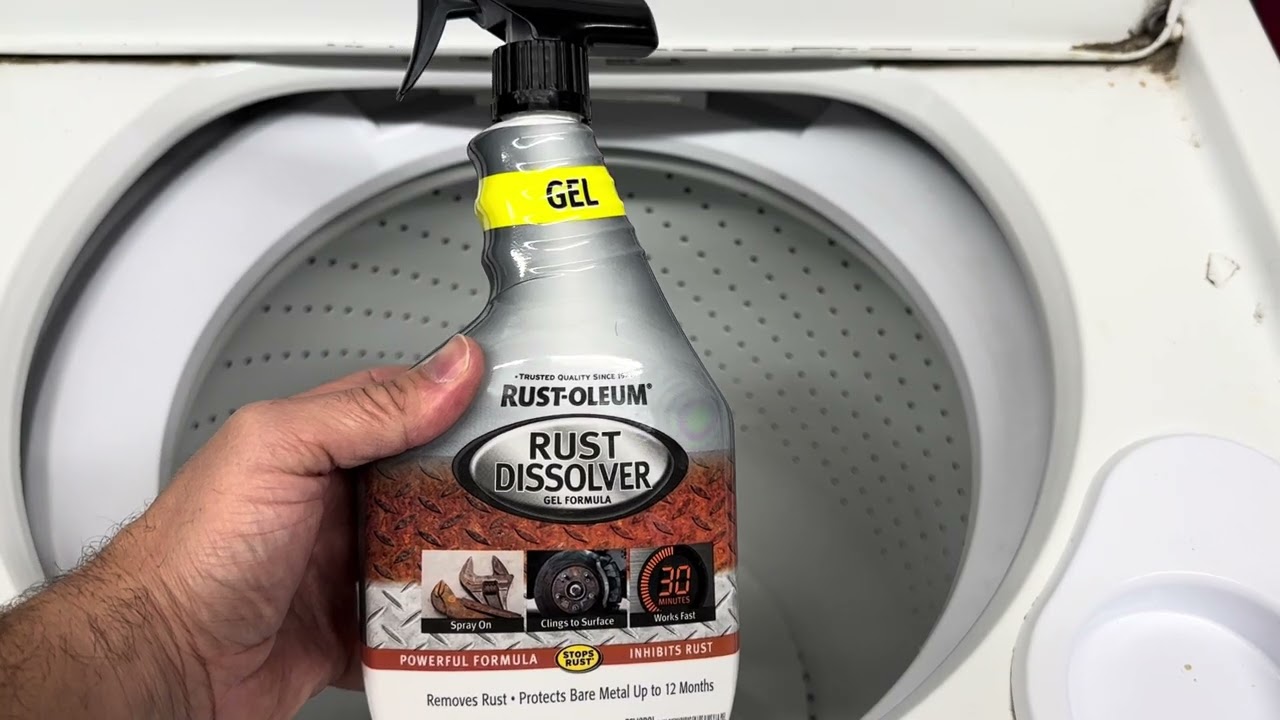
Commercial Washing Machine Cleaners
There are products specifically for cleaning washing machines. Affresh. Tide Washing Machine Cleaner. They work. They’re formulated to break down residue, mineral buildup, and yes, some rust. Follow the package directions. Usually, it involves ruing a specific cycle. They’re convenient. But check the ingredients. Make sure they aren’t just glorified bleach or acid. To be fair, some are pretty good.
Preventing Future Rust: Stop It Before It Starts
Cleaning is a pain. Prevention is key. Honestly. This is where you save yourself headaches.
Watch: Rust pieces in washing machine?
Wipe Down Regularly
After each wash day. Do a quick wipe-down. Especially around the door seal. The dispensers. The exterior base. Get rid of stray drips. Prevent water from sitting. Takes 30 seconds. Saves you hours later.
Don’t Let Wet Clothes Sit
Leaving damp laundry festering in the drum? Recipe for disaster. It creates moisture. It encourages rust. And mold. And smells. Unload promptly. Every. Single. Time.
Check Your Water Source
High iron content in your water? That’s a major rust contributor. If you have well water, get it tested. Consider a whole-house water filter. Specifically one that tackles iron. This is a long-term fix. But a good one. Especially if you see rust stains on clothes. I knew a guy, Dave, lived out in the sticks. His water was practically orange. His white shirts looked like they’d been dipped in mud after every wash. Filtered it. Problem solved. Cost him $800 upfront. Worth it.
Use Detergent Sparingly
Overloading the dispenser? Using too much soap? It can overflow. It can leave residue. Follow the damn instructions on the detergent bottle. Less is often more. It also saves you money. Win-win.
Watch: Fixing Washing Machine Rust Damage Is EASY With Simple …
Avoid Chlorine Bleach When Possible
I know I keep hammering this. But it’s important. Chlorine bleach is harsh. It corrodes metal over time. Use oxygen bleach (like OxiClean) if you need a boost. Or stick to vinegar for general cleaning. Save the chlorine bleach for dire emergencies. And dilute it heavily.
Maintain Your Machine: The Manual is Your Friend
Read the damn manual. Seriously. It tells you how to clean the dispensers. How often to run cleaning cycles. What products are safe. Most people toss it. Big mistake. It’s not just technical jargon. It’s essential maintenance info. I saw a Whirlpool manual once. Said every 3 months, run a clean cycle with vinegar. Simple. Effective. Nobody does it.
When To Call It Quits: Is It Beyond Repair?
Sometimes, the rust is too deep. Too widespread. The machine is old. It’s costing you more in cleaning supplies and failed washes than a new one would. Look at the drum. Is it pitted? Is the rust coming through the enamel (if it has any)? Is the control panel corroded to hell? If you’re seeing significant structural damage, it might be time. Especially if it’s affecting performance. Leaking. Making weird noises. Don’t pour money into a sinking ship. A decent new washer can be had for $500-$700 these days. Maybe $900 for a really good one. Why fight a losing battle?

| Method | Pros | Cons | Best For |
|---|---|---|---|
| Baking Soda Paste | Gentle, cheap, readily available | Slower, less effective on heavy rust | Light exterior rust, mild internal stains |
| CLR | Fast, powerful, effective | Harsh chemicals, requires ventilation/gloves, can damage finishes | Stubborn exterior rust |
| Vinegar | Natural, good for internal cleaning, deodorizes | Can be slow, smell is strong | Internal drum cleaning, moderate rust |
| Lemon Juice & Salt | Natural, smells better than vinegar | Less powerful than vinegar or CLR | Very light rust spots |
| Commercial Cleaners | Convenient, formulated for purpose | Can be pricey, effectiveness varies | General internal maintenance, light to moderate stains |
Look, rust happens. It’s a fact of appliance life. But it doesn’t have to ruin your machine. Or your clothes. A little effort. The right approach. You can beat it. Just don’t be lazy about it. Or stupid. Use your head. Use the right tools. Your laundry will thank you. Your eyes will thank you. And your wallet might thank you too, if you prevent the need for a premature replacement. Honestly, it’s not that hard. Just gotta do it.
Frequently Asked Questions
Is it normal for a washing machine to rust?
It’s common, especially on older machines or in humid environments, but not ideal. Minor surface rust on the exterior can occur due to spills or condensation. Rust on the interior drum or components is a sign of a problem that needs addressing, as it can damage clothes and indicate deeper corrosion.
How can I tell if the rust is damaging my clothes?
Look for faint orange or brownish-yellow stains appearing on your laundry after washing, particularly on white or light-colored items. These marks are often difficult to remove and are a clear indicator that rust is present inside the washing machine drum or other metal parts that come into contact with your clothes.
Can rust inside a washing machine be completely removed?
Light to moderate rust stains inside the drum can often be removed with dedicated cleaning cycles using vinegar, baking soda, or commercial washing machine cleaners. However, deep pitting or widespread corrosion might be impossible to completely eliminate and could require professional assessment or machine replacement.
What’s the best way to prevent rust on the washing machine’s exterior?
Regularly wipe down the exterior, especially around the lid, dispenser drawers, and base, to remove spills and condensation. Ensure the laundry area is well-ventilated to minimize humidity. Address any drips or leaks promptly. Avoid leaving damp items on or around the machine.
Should I be worried about rust spots on the washing machine’s control panel?
Yes, rust spots on the control panel are a concern. They often indicate moisture ingress, which can damage the electronic components underneath. While you can try to clean light surface rust gently, persistent or spreading rust suggests a potential electrical issue or seal failure that needs immediate attention to prevent further damage or safety hazards.

Tyrone Jacobs is passionate about reducing household carbon footprints without sacrificing cleanliness. Her articles focus on high-efficiency (HE) machines, low-water washing techniques, and DIY natural machine-cleaning solutions. If you want to lower your utility bills and keep harsh chemicals out of your drain hoses, Tyrone Jacobs is your go-to expert.