Stop the Stink: How To Clean Front Load Washing Machine Like a Pro
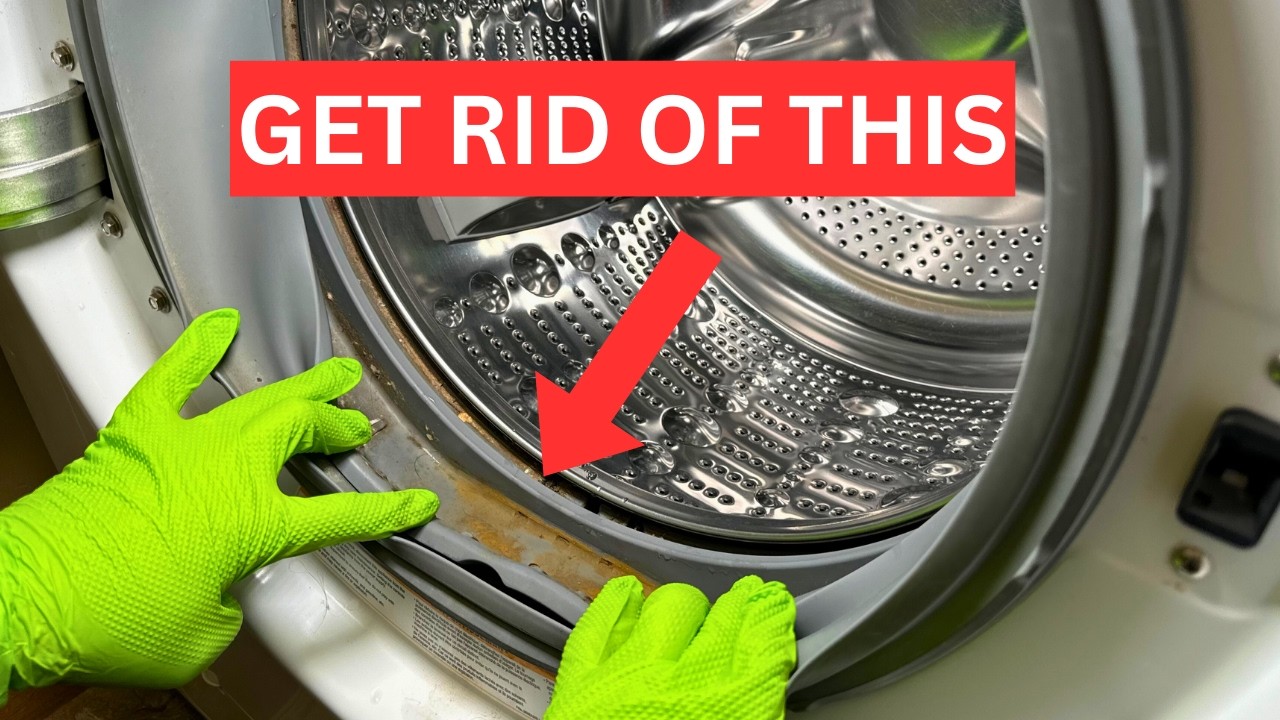
Look, your front-load washer is probably disgusting. You cram clothes in, hit start, and forget it. That’s a recipe for funk. Mold. Mildew. The works. Honestly, if you can smell your laundry room, your machine’s crying for help. We’re talking about a breeding ground for nasty microbes right there in your house. Let’s fix that. This isn’t rocket science; it’s just dirty laundry science. How To Clean Front Load Washing Machine – it’s not optional, it’s mandatory.

Think about it. Dampness. Dark interiors. Leftover detergent residue. That’s a five-star resort for bacteria and mold. They thrive in those dark, moist crevices. The thing is, most people just ignore it until the smell is unbearable. Then they panic. Don’t be that person. A little effort now saves you from bigger headaches later. Like washing clothes that come out smelling worse than before. I remember a client, bless her heart, whose entire basement smelled like a wet dog. Her washer? A horror show. Took me three hours to scrub it clean. Three hours I’ll never get back.
The fix is simpler than you think. It involves common household items you probably already have. No fancy chemicals needed unless you want to shell out extra cash. We’re talking vinegar. Baking soda. Maybe some bleach if you’re feeling aggressive. But let’s ease into it. We’ll break it down. Step-by-step. No fluff. Just pure, unadulterated cleaning action.
The Gasket: Rubber’s Ruin
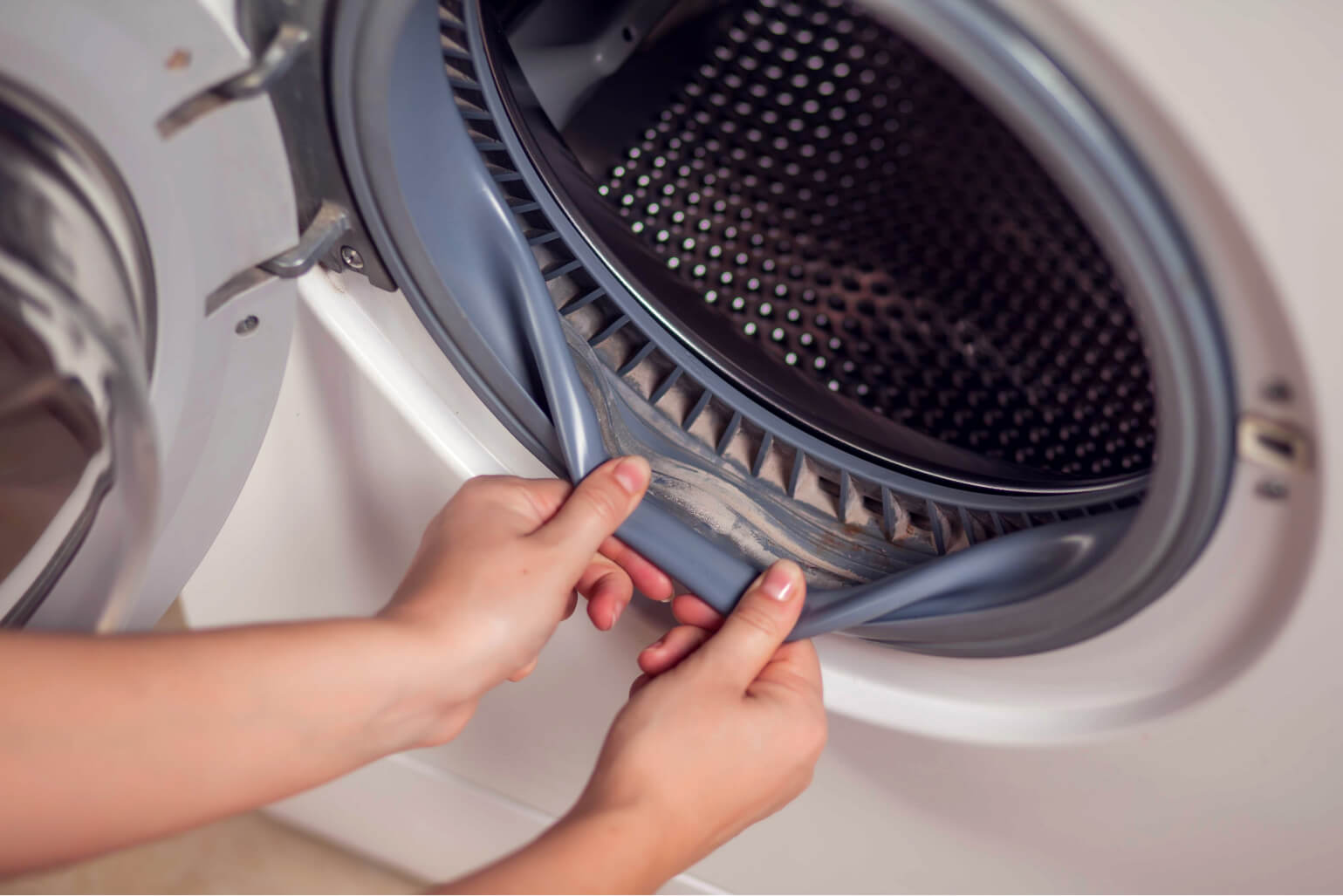
First up, the door seal. That rubber gasket. It’s the prime real estate for mold. Black spots? Slimy residue? Yeah, that’s where it all starts. You gotta get in there. Really get in there. Don’t just wipe the surface. Pull it back. Get under the folds. Use a damp cloth with a bit of vinegar or mild soap. Some folks use a diluted bleach solution (1 part bleach to 10 parts water) here, but be careful. Bleach can degrade rubber over time. Use it sparingly. Maybe once a month. More often if you see visible mold.
I once serviced a machine for a guy who hadn’t cleaned his gasket in five years. Five. Years. The thing was fused shut with gunk. Took a putty knife and a lot of elbow grease. He was mortified. Honestly, it was pretty gnarly. He swore never again. Now he does it weekly. It’s a game-changer.

What You Need:
- Microfiber cloths (several)
- White vinegar
- Baking soda
- An old toothbrush or small scrub brush
- A spray bottle (optional, but helpful)
- Bleach (optional, use with caution)
Drum Duty: The Inside Job
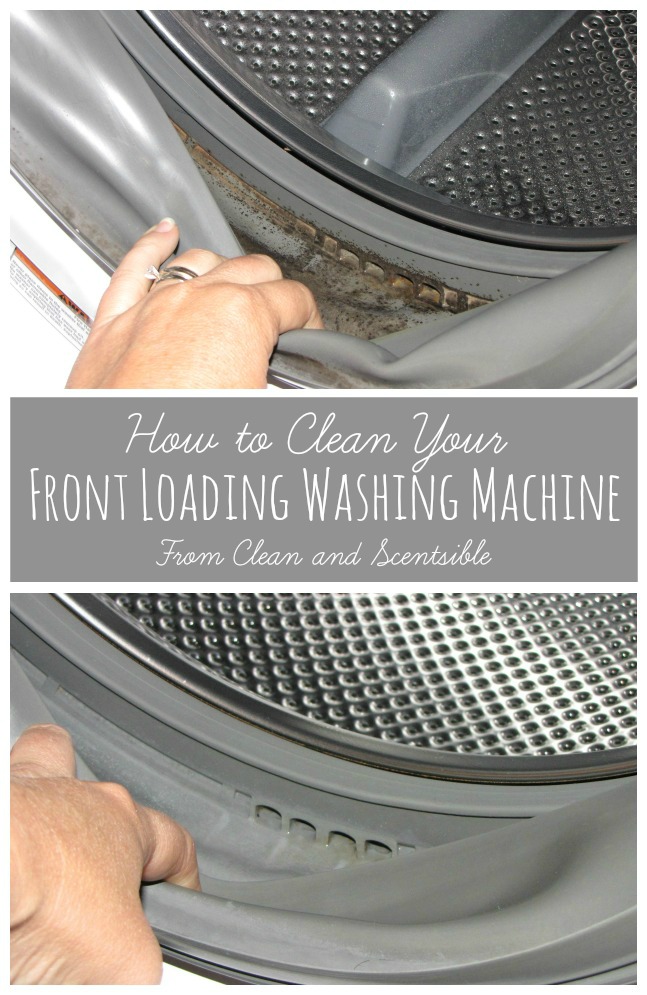
After tackling the gasket, it’s time for the drum. This is where the bulk of the cleaning happens. We’re going to run a cleaning cycle. But not just any cycle. A hot one. With some cleaning agents.
Option 1: The Vinegar & Baking Soda Combo
This is my go-to. It’s effective and cheap. Pour about 2 cups of white vinegar directly into the detergent dispenser. Or, if you prefer, pour it straight into the drum. Then, sprinkle about half a cup of baking soda directly into the empty drum.
Set your machine to the hottest water setting available. Use the largest load size. Run a full wash cycle. Let it do its thing. The vinegar helps break down residue and kill bacteria. The baking soda acts as a mild abrasive and deodorizer. Together? They’re a powerhouse. This method is solid for routine cleaning, say, once a month.
Option 2: The Bleach Blitz (Use Sparingly!)
If you’ve got stubborn mold or a truly foul odor, bleach might be your weapon. Caution: Never mix bleach and vinegar. Seriously. It creates toxic chlorine gas. You’ll end up in the ER. Not a good look.
Add about half a cup of liquid bleach to the bleach dispenser. If you don’t have one, add it to the main wash compartment after the machine fills with water. Run the hottest, longest cycle available. After the bleach cycle, run another hot cycle with just plain water to rinse everything out thoroughly. This is more of an intensive treatment, maybe quarterly. Not for every week.
Option 3: The Commercial Cleaner
There are plenty of washing machine cleaning tablets or liquids on the market. Follow the package instructions precisely. They’re formulated to tackle soap scum and mildew. Some people find these easier. To be fair, they work. Just read the label. Don’t go pouring random stuff in there.
Beyond the Drum: The Nooks and Craies
Don’t stop at the drum. There are other spots that collect grime. The detergent drawer. The dispenser area. These things get caked with old detergent and fabric softener. Gross. Pull out the drawer if you can. Soak it in hot, soapy water. Scrub it with your toothbrush or a small brush. Rinse it well and dry it before putting it back.
If the drawer isn’t removable, use your damp cloth and brush to clean inside the housing. Get into all those little nooks where gunk hides. This is where that old toothbrush really shines. It gets into places fingers can’t.
What about the exterior? Wipe it down with a damp cloth. A little all-purpose cleaner is fine. Don’t spray water directly into vents or control panels. Just a light wipe-down. Keep it looking sharp.
The Filter Trap: Don’t Forget This!
This is the one people really forget. Most front-loaders have a small access door, usually near the bottom front of the machine. Behind it is a filter. This filter catches lint, coins, buttons, hair… you name it. If it gets clogged, your machine won’t drain properly, and smells can linger.
How to Clean the Filter:
- Prepare: Place towels and a shallow pan or bucket underneath the filter access door. Water will come out.
- Open: Carefully open the small door. You might need a flathead screwdriver.
- Drain: Some machines have a small drain hose. Unclip it and let the water drain into your pan. If not, just be ready for water when you unscrew the filter.
- Unscrew: Slowly unscrew the filter. Expect more water. Let it drain into the pan.
- Clean: Pull out the filter. Remove all the gunk. Rinse it under ruing water. Use your toothbrush if needed.
- Inspect: Look inside the filter housing for any debris.
- Reassemble: Screw the clean filter back in securely. Close the access door.
This filter cleaning? Do this every 3-6 months. It’s critical maintenance. I saw a machine once where the filter was so packed, it looked like a felted wool sweater. The owner couldn’t figure out why his clothes were still soaking wet. The filter was the culprit. Simple fix, big impact.
Frequency: How Often Should You Clean?
Consistency is key. Here’s a basic schedule:
| Task | Frequency | Notes |
|---|---|---|
| Wipe Door Seal (Gasket) | Weekly (or after each load if prone to mildew) | Check for visible mold/grime. |
| Clean Dispenser Drawer | Monthly | Soak and scrub. |
| Run Cleaning Cycle (Vinegar/Baking Soda or Commercial Cleaner) | Monthly | Hot water, longest cycle. |
| Clean Pump Filter | Every 3-6 months | Prepare for water drainage. |
| Deep Clean (Bleach Cycle, if needed) | Quarterly or as needed for stubborn odors/mold | Use bleach cautiously. Rinse thoroughly. |
Honestly, just get in the habit. Set a reminder on your phone. It’s way better than dealing with a stinky, moldy machine. Trust me on this. A clean machine means cleaner clothes. And a healthier home environment. Nobody wants their towels smelling like a swamp.
Preventative Measures: Keeping the Funk at Bay
Cleaning is one thing. Preventing the funk is another. It’s all about airflow and residual moisture. After every wash, leave the washing machine door slightly ajar. Yes, even if you have kids or pets. It lets the drum dry out. This is probably the single most effective thing you can do.
Don’t leave wet clothes sitting in the machine. Transfer them to the dryer immediately. Or hang them up if you’re line-drying. That damp, dark environment is where the mold parties start. Pull out the clothes promptly. Don’t let them fester.
Use the right amount of detergent. Too much detergent leads to buildup. That residue feeds the mold. High-efficiency (HE) machines need HE detergent. Use less than you think you need. Seriously, it’s usually just a tablespoon or two.
Consider using powdered detergent sometimes. It tends to dissolve more completely than liquid, leaving less residue. Or, if you use liquid, make sure it’s not expired. Old liquid detergent can get gummy.
Final Thoughts: Your Machine Deserves It
So there you have it. How To Clean Front Load Washing Machine laid bare. No B.S. Just the facts. It takes a little time, sure. But the payoff? A fresh-smelling laundry room and cleaner clothes. It’s not a chore; it’s maintenance. Like changing the oil in your car. You wouldn’t skip that, would you? Your washer works hard for you. Give it some TLC. Your nose will thank you. Your clothes will thank you. Your health will thank you.
Frequently Asked Questions
How do you deep clean a front loading washing machine?
Deep cleaning involves cleaning the gasket thoroughly with a vinegar or diluted bleach solution, scrubbing the inside of the drum with baking soda and vinegar or ruing a hot cycle with a bleach alternative, cleaning out the detergent dispenser and pump filter, and finally, ruing a hot water cycle with no clothes to rinse everything. Ensure good ventilation and dry all parts after cleaning.
What is the best way to clean the rubber seal on a front load washer?
The best way is to use a solution of equal parts white vinegar and water, or a very diluted bleach solution (1:10 bleach to water). Use a microfiber cloth or sponge to wipe down the inside and outside of the seal, pulling back the folds to get all the grime. An old toothbrush can help with stubborn spots. Always rinse the area with plain water afterward.
Can I use bleach to clean my front load washing machine?
Yes, you can use bleach for a deep clean, especially if you have mold or stubborn odors. Add about half a cup to the bleach dispenser or directly to the drum after it fills with water. Run the hottest, longest cycle. Crucially, never mix bleach with vinegar or other cleaners, as this can create toxic fumes. Always follow up with a plain hot water rinse cycle to remove all bleach residue.
How often should I run a cleaning cycle on my front load washer?
For most households, ruing a cleaning cycle once a month is sufficient. If you wash heavily soiled items frequently, or if you notice any odors or visible mold, you might need to do it more often, perhaps every two to three weeks. Use a vinegar and baking soda method for routine monthly cleaning and consider a bleach-based cleaner quarterly or as needed.
Why does my front load washer smell even after cleaning?
If your washer still smells after cleaning, you might have missed a spot, particularly in the gasket folds or the pump filter. Check again meticulously. You could also be using too much detergent, leaving residue that feeds mold. Ensure you’re using an HE detergent in the correct amount and leaving the door ajar between uses to promote drying. Some persistent odors might require a dedicated washing machine cleaner tablet or a professional cleaning.
Watch: How To Clean Your Front Load Washing Machine

With over 15 years of hands-on experience in the appliance repair industry, Erick Jackson is WashingMachineCare’s resident gearhead. He holds multiple manufacturer certifications and specializes in breaking down complex mechanical failures into easy, step-by-step DIY fixes. When he’s not covered in grease, Erick Jackson enjoys restoring vintage washing machines to their former glory.