Stop Making Mudslides. You’re Neglecting Your Margarita Machine.
Look, you spent good money on that frozen drink dispenser. Probably north of $300 for anything decent. You think you can just hose it out after a bender? Wrong. That’s how you end up with a funk-bot that’ll kill your party faster than Uncle Barry after three too many. We’re talking about ‘how to clean margarita machine’ and if you’re not doing it right, you’re a damn fool. Honestly, the stuff lurking in those tubes? Grim.
I saw a guy once. His machine looked like a science experiment gone wrong. Sticky residue, questionable mold bloom. The whole nine yards. He blamed the mix. Nah, pal. He just never learned how to properly clean the damn thing. It’s not rocket science, but it ain’t guesswork either.
The Grim Reality: Why Bother?
Because nobody wants a tequila-flavored petri dish. Seriously. That gunk? It’s a breeding ground for bacteria. Bad for your gut, worse for your reputation. You think guests are impressed by a machine that looks like it survived the apocalypse? Doubtful.

Plus, a clean machine churns out better drinks. Taste matters. Flavor profiles get muddled by stale remnants. It’s simple: clean machine, happy taste buds. Happy taste buds, better party. You get it.
And listen, these things ain’t cheap. A neglected machine? It’s goa break. Gears seize up, seals go bad. You end up buying a new one. Stupid. Regular maintenance, including proper cleaning, extends the life of your investment. Think of it as machine CPR.
The Basic Breakdown: What You’ll Need
Before we dive into the muck, grab your arsenal. You’ll need:
- Mild Dish Soap: Nothing harsh. We ain’t stripping paint here.
- Soft Cloths/Sponges: Microfiber is your friend. No steel wool, got it?
- Bottle Brush: Essential for those narrow bits.
- Warm Water: Your primary cleaning agent.
- Sanitizer (Optional but Recommended): Food-grade sanitizing solution. Especially for commercial gigs.
- Towel/Drying Rack: To prevent water spots and mildew.
Step 1: The Pre-Game Ritual – Prep and Disassemble
First things first. Unplug that sucker. Don’t be a hero. You want to avoid a shock and a ruined circuit board. Dump any leftover slush. Seriously, what are you saving it for?
Now, the tear-down. Most machines come apart pretty easily. Check your manual if you’re lost. Typically, you’re looking at removing the hopper, the blade assembly, the chute, and the drip tray. Lay it all out. Keep track of screws, if any. The thing is, don’t force anything. If it’s stuck, there’s probably a trick you’re missing.
I remember trying to clean an old Oster model back in ’08. Couldn’t get the hopper off. Fought it for twenty minutes. Finally found a tiny release button hidden under the rim. Felt like an idiot. Saved myself a lot of hassle.
Step 2: The Main Event – Washing the Guts
This is where the real work happens. Grab that soapy water and your sponges. Wash every single piece you took off. Get into every crevice. Pay special attention to the blade assembly and the chute. Those are the nastiest.
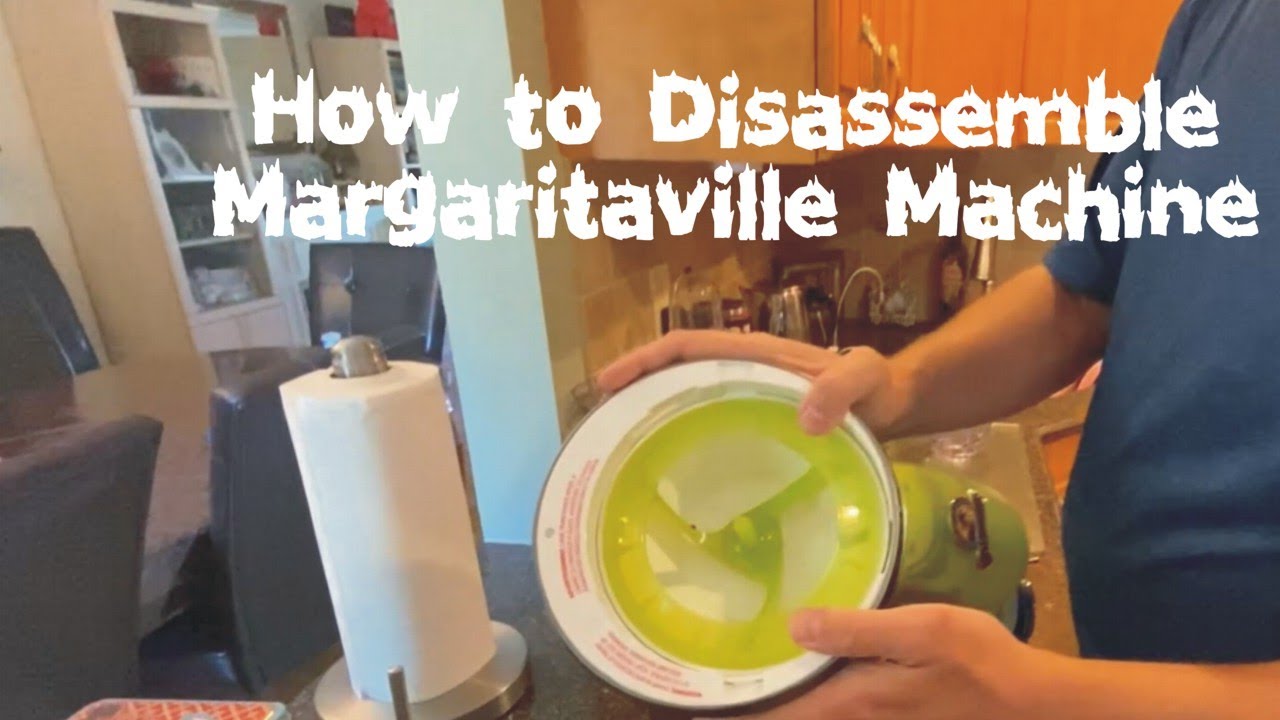
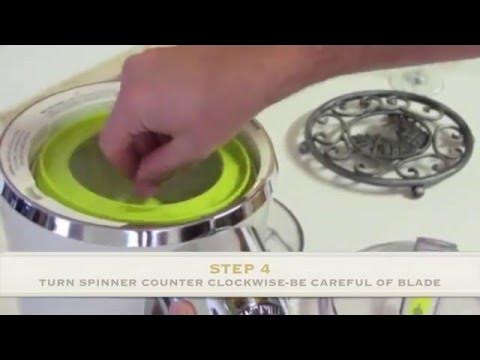
Watch: How to Disassemble and Clean the Jimmy Buffett …
Use the bottle brush for the chute and any narrow tubes. Run hot water over everything. Rinse, rinse, and rinse again. You don’t want soap residue. It’ll mess up your drink’s taste. Trust me on this one.
Watch: How to Disassemble and Clean the Margaritaville Machine …
For really stubborn gunk, a paste of baking soda and water can work wonders. Let it sit for a bit, then scrub. It’s gentle but effective. You can also use a food-grade sanitizer solution after washing if you’re really paranoid, or if you’re using it in a bar setting. Let it soak for a few minutes according to the product instructions, then rinse thoroughly.
Step 3: The Drying Rack Shuffle – Don’t Skip This
This is non-negotiable. Everything needs to be bone dry before you reassemble. Water is the enemy of clean. It breeds mold and mildew. Who wants that in their frozen margarita? Nobody.
Use clean towels. Air dry on a rack if you can. Make sure you get into all the nooks and craies. I usually leave parts out overnight if I’m not in a rush. Better safe than sorry, right?
The base unit? Wipe it down. Don’t submerge that part. It’s got electronics, fool. Use a damp cloth. If there’s dried-on gunk, use a little soapy water on the cloth, then wipe with a clean damp cloth. Dry it thoroughly. Check vents for dust buies too. Seriously.
Step 4: Reassembly – Putting It Back Together
Once everything is dry – and I mean dry – put it back together. Reverse the disassembly process. Make sure everything clicks, locks, or screws back into place properly. Don’t leave any loose parts rattling around. It’s not a puzzle; it’s a machine.

Give the exterior a final wipe-down. Make it look presentable. You spent good money on it; it should look the part. You wouldn’t drive a dirty car, would you? Same principle.
Deep Cleaning: The Nuclear Option
So, you’ve let it slide for a while? Maybe a year? Time for the deep clean. This is more thorough. Think of it as a spa day for your margarita maker.
You’ll basically repeat the whole process, but you’re going to be way more meticulous. Check the manual for specific deep cleaning instructions. Some models have parts you can sterilize, others just need extra scrubbing time.
I had a customer once, a restaurant owner, who swore by ruing a diluted bleach solution through his machine once a month. He swore it kept everything pristine. I’m not sure I’d go that far with bleach – it’s harsh. But for a commercial setting? Maybe. For home use? Stick to soap and water. Or that food-grade sanitizer. It’s safer.
The key is consistency. Don’t wait until it looks like a swamp monster lives in there. Prevention is better than cure. Cleaning after every few uses is ideal. Deep clean every month or two, depending on how much you use it.
Common Mistakes That Make You Look Dumb
- Using Harsh Chemicals: Bleach, ammonia, abrasive cleaners. They’ll damage the plastic and leave nasty residues. Your drinks will taste like regret.
- Dishwasher Danger: Some parts might be top-rack safe. Check your manual. But many plastics warp or melt. Handwashing is usually the safest bet. Don’t risk it.
- Not Drying Properly: I’m saying it again. Damp parts = mold. End of story.
- Forcing Parts: If it doesn’t come apart easily, consult the manual or look for a hidden latch. Don’t break your machine trying to be tough.
- Ignoring the Base Unit: That’s where the motor lives. Don’t drown it. Wipe it carefully.
Pro Tips for Margarita Machine Zen
Clean Immediately: After use, rinse the main parts. It prevents sticky stuff from hardening. Takes 5 minutes. Worth it.
Invest in Quality Mixes: Better ingredients mean less residue. Less residue means easier cleaning. Simple math.
Check Your Manual: Every machine is different. What works for a Margaritaville might not work for a Nostalgia. Don’t guess. Read the damn book.
Regular Use: Honestly, machines that sit around are more prone to issues. Use it! Make margaritas! Then clean it. Cycle of life.
Watch: Margaritaville Machine Stuck Blades And Spout Cleaning
Maintenance Schedule Snapshot
Here’s a basic guideline. Adjust based on usage. This isn’t gospel; it’s common sense.
| Task | Frequency | Notes |
|---|---|---|
| Rinse Hopper/Shute | After Each Use | Prevents caking. 5 mins. |
| Basic Wash (Disassemble) | Every 2-3 Uses | Soap, water, bottle brush. Dry completely. |
| Deep Clean | Monthly (or quarterly for light use) | Thorough scrubbing, sanitizing optional. Check manual. |
| Exterior Wipe Down | Weekly / As Needed | Damp cloth. Keep electronics dry. |
| Inspect Seals/Blades | Quarterly | Replace if worn or damaged. |
Look, it ain’t glamorous. Nobody throws a party for cleaning day. But a clean margarita machine? That’s the difference between a legendary fiesta and a stomach ache. Get it done right. Your guests (and your gut) will thank you.
Frequently Asked Questions
How to clean nostalgia margarita machine?
Cleaning a Nostalgia margarita machine is pretty standard. Unplug it first. Disassemble the hopper, blade, and drip tray. Wash these parts by hand with warm, soapy water and a soft sponge or brush. Rinse thoroughly and dry completely before reassembly. Pay attention to the chute and blade area. Wipe down the base unit with a damp cloth; never submerge it. Always consult your specific model’s manual for detailed instructions, as parts and assembly can vary.
Can I use vinegar to clean my margarita machine?
While vinegar is a natural cleaner, it’s generally not recommended for the primary cleaning of margarita machine parts that come into contact with drinks. Its acidic nature can potentially degrade certain plastics over time, and the smell can linger, affecting your drink’s flavor. Stick to mild dish soap and warm water for regular cleaning. If you need to descale, check your manual; some manufacturers might suggest a specific solution, but vinegar is a risky choice.
How often should I deep clean my margarita machine?
For home use, a deep clean – meaning a full disassembly, thorough scrubbing, and meticulous drying – is recommended at least once a month if you use it frequently (e.g., weekly). If you only use it occasionally, every 2-3 months might suffice. For commercial use, daily rinsing and weekly deep cleaning are often necessary to meet health codes and maintain quality.
What if my margarita machine is still sticky after cleaning?
If parts remain sticky, it usually means the residue wasn’t fully removed or has been baked on. Try making a paste of baking soda and water. Apply it to the sticky areas, let it sit for 15-30 minutes, then scrub gently with a soft sponge or brush. Rinse thoroughly again and ensure complete drying. Double-check that you’re using enough soap during the initial wash and that your water is warm enough.
Are all margarita machine parts dishwasher safe?
Absolutely not. While some manufacturers might claim certain components (like the hopper or drip tray) are top-rack dishwasher safe, many plastics used in margarita machines can warp, melt, or become brittle in the high heat of a dishwasher. The abrasive detergents can also degrade the plastic. It’s almost always safer and more effective to handwash the removable parts with warm, soapy water. Always check your owner’s manual before putting any part in the dishwasher.

With over 15 years of hands-on experience in the appliance repair industry, Erick Jackson is WashingMachineCare’s resident gearhead. He holds multiple manufacturer certifications and specializes in breaking down complex mechanical failures into easy, step-by-step DIY fixes. When he’s not covered in grease, Erick Jackson enjoys restoring vintage washing machines to their former glory.