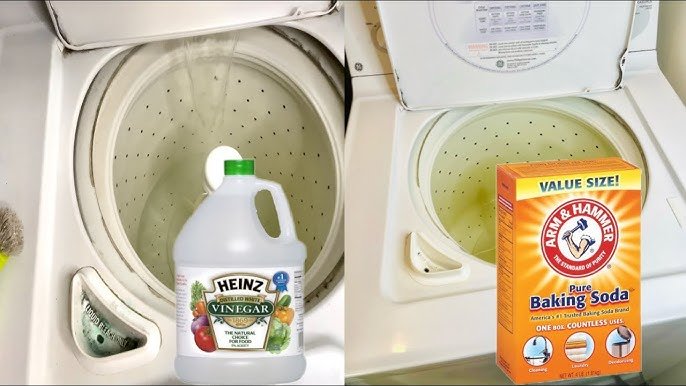
Stop the Stink: How Much Baking Soda To Clean Washing Machine? The Real Deal
Look, your washing machine is probably rank. Don’t even try to deny it. That damp, musty smell? It’s not just your imagination; it’s a breeding ground for funk. Bacteria. Mold. Mildew. All the fun stuff you don’t want anywhere near your clean clothes. Honestly, ignoring it is just asking for trouble. You end up with clothes that smell worse coming out than they did going in. It’s pathetic.
We’re talking about a serious problem here. This isn’t some light dusting. This is about deep-seated gunk. The kind that vinegar alone sometimes just can’t hack. That’s where baking soda steps in. The unsung hero. But the question everyone fumbles is this: How Much Baking Soda To Clean Washing Machine? Get it wrong, and you’re wasting your time. Get it right? You’ll actually banish the stink. And trust me, it makes a difference. I remember my mom’s machine back in ’98. Smelled like a gym sock left in a swamp. She’d try all sorts of sprays. Nothing worked. Then she tried the baking soda trick. Boom. Gone. That’s the power.
Why Baking Soda Isn’t Just for Cookies Anymore
Baking soda. Sodium bicarbonate. It’s a base. A mild alkali. The thing is, mold and mildew? They thrive in acidic environments. Baking soda neutralizes those acids. It’s simple chemistry, people. Don’t overthink it.
It also acts as a mild abrasive. Not like sandpaper, obviously. But it scrubs away residue without trashing your machine. Plus, it deodorizes. It doesn’t just mask smells; it absorbs them. Like a tiny, powdery sponge for your washer’s nastiness. For real. My buddy Dave, bless his heart, swore vinegar was the only way. His clothes still had that hint of stale water. Added baking soda? Problem solved. He owes me a beer for that one.
The Actual Amount: How Much Baking Soda To Clean Washing Machine?
Alright, let’s get down to brass tacks. This isn’t rocket science, but you need numbers. Precision matters here. Don’t just dump half a box in. You’ll make a mess. Too little? You’re just peeing in the wind.
For Front-Loaders: The Delicate Dance
Front-loaders are more prone to mildew. They seal up tight. That creates a perfect little ecosystem for funk. So, for these bad boys, you want about 1/2 cup of baking soda.
Sprinkle that directly into the drum. Yeah, right in there. Then, run the machine on its hottest, longest cycle. No clothes. Just the baking soda and the heat. Let that machine scrub itself clean.
For Top-Loaders: The Bigger Capacity Brawl
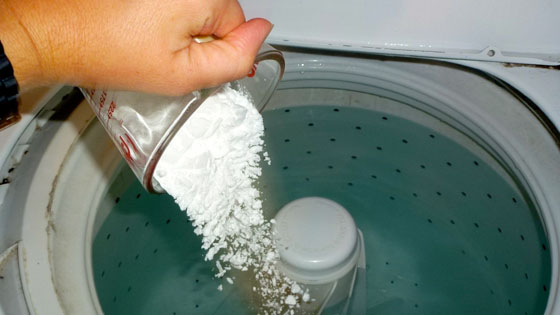
Top-loaders usually have more space. More room for water to stagnate. So, you can be a little more generous. Aim for 1 cup of baking soda.
Again, dump it straight into the empty drum. Hit that hot water setting. Longest cycle available. Let it churn. It’s going to work its magic. This simple step is often overlooked. I saw a lady at the laundromat once, complaining about her machine. I told her what I’m telling you. She looked at me like I had two heads. Two weeks later, she thanked me. Said her machine hadn’t smelled so good in years.
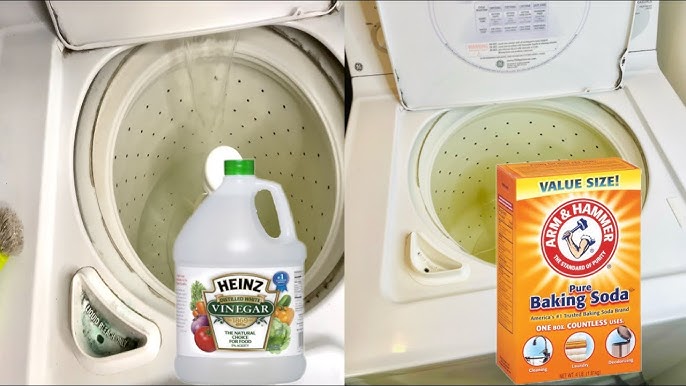
Beyond the Drum: Tackling the Nooks and Craies
The drum is just one part of the problem. You gotta hit the other areas too. The dispenser drawer. The rubber seal. Those places are scum magnets.
The Dispenser Drawer Debacle
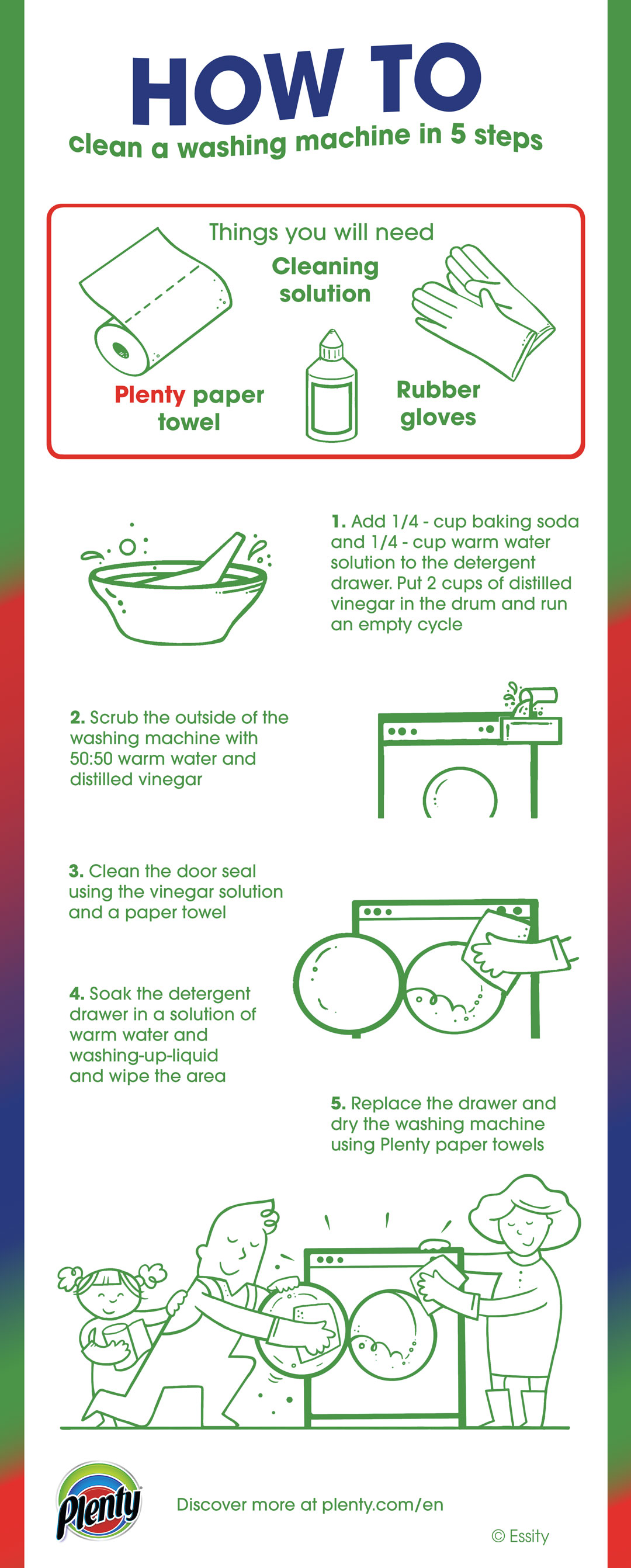
This thing gets gross. Residue builds up. Mold loves it. Mix a paste. Take some baking soda. Add a little water. Just enough to make a thick paste. Use an old toothbrush or a rag. Scrub inside that drawer. Get all the nooks. Then wipe it clean with a damp cloth. Rinse it out if you can. Some drawers come out. If yours does, soak it in hot, soapy water with a splash of vinegar. Then scrub.
The Seal of Doom (Front-Loaders Only)
That rubber gasket around the door? A biological hazard. Seriously. Wipe it down. Use that baking soda paste again. Or just a damp cloth with some baking soda sprinkled on it. Get in there. Pull back the seal. Wipe out all the gunk. Then wipe it dry. Don’t let it sit wet. That’s asking for trouble.
The Door and Lid Love
Wipe down the inside of the door or lid. And the outside, too. Just use a damp cloth. Maybe sprinkle a little baking soda for extra oomph. Clean the control panel. Get the sides. Basically, treat the whole machine. It’s not just the inside that gets funky.
The Cycle of Cleaning: Putting It All Together
So, you’ve got the amounts. You know where to scrub. Now, let’s map it out. Make it a routine. Don’t wait until it smells like a locker room.
The Monthly Deep Clean Ritual
Once a month. That’s all I ask. It’s not a lot. It’s preventative maintenance. Your machine will thank you. Your clothes will thank you. Your nose will thank you.
- Empty the machine. No clothes. No distractions.
- Add baking soda. 1/2 cup for front-loaders, 1 cup for top-loaders. Directly into the drum.
- Run a hot, long cycle. Let it agitate and rinse. The hottest setting you have.
- Clean the dispenser drawer. Use that baking soda paste. Scrub it clean. Rinse well.
- Attack the seal (front-loaders). Wipe it down. Get all the grime. Dry it thoroughly.
- Wipe everything else. Door, lid, sides, controls. Give it a good once-over.
- Optional: Vinegar Boost. If things are REALLY bad, consider adding 1 cup of white vinegar to the dispenser during a second hot cycle after the baking soda one. But don’t mix them directly in the same cycle. They can cancel each other out. Honestly, usually baking soda alone is enough if you’re consistent.
When Vinegar Should (or Shouldn’t) Join the Party
People always ask about vinegar. Yeah, it’s good. It’s acidic. It kills some types of bacteria. It helps break down mineral deposits. But the thing is, it doesn’t deodorize as well as baking soda. And sometimes, that acidity can actually contribute to mold growth if you overuse it. Or if your machine isn’t draining properly.
The real power? Using them separately. Baking soda for deodorizing and scrubbing grime. Vinegar for breaking down tougher deposits. A lot of folks mix them. Big mistake. They neutralize each other. You end up with dirty water and regret. The best approach is a two-step: baking soda cycle, then a vinegar cycle, if needed. Or, use baking soda for the routine clean, and vinegar for occasional heavy-duty mineral buildup.
Common Mistakes That Ruin Your Cleaning Efforts
You’d think cleaning a washing machine would be easy. Nope. People screw it up constantly. Don’t be one of them.
Mistake 1: Not Using Hot Water
Cold water? Forget it. You need hot water to activate the baking soda properly and to blast away grease and grime. Always use the hottest cycle available.
Mistake 2: Overloading the Machine (During Regular Washes)
This isn’t about the cleaning cycle. This is about your regular laundry. If you stuff your machine full, water can’t circulate. Clothes don’t get clean. And residue builds up faster. Leave some breathing room. Seriously.
Mistake 3: Using Too Much Detergent
More detergent doesn’t mean cleaner clothes. It means more residue. That residue builds up. Feeds the mold. Use the recommended amount. Maybe even a little less. Especially if you have hard water.
Mistake 4: Leaving the Door Closed (Front-Loaders)
This is HUGE for front-loaders. After you unload, leave the door ajar. Let it air out. Same with the dispenser drawer. Keep it slightly open. Allow moisture to escape. Prevent the funk before it starts.
The Hidden Costs of a Dirty Washing Machine
Think a smelly washer is just an aoyance? Think again. It costs you money. It costs you time. It costs you sanity.
Damaged Clothes
Mold spores and mildew can actually stain fabrics. Not to mention the general grime that clings to everything. Your ‘clean’ clothes are actually just reeking of yesterday’s funk.
Increased Repair Bills
Buildup causes strain on the motor. Gunk can clog hoses and filters. This leads to breakdowns. Repairs aren’t cheap. A few bucks on baking soda saves you hundreds later. To be fair, sometimes parts fail anyway, but why speed it up?
Wasted Time and Energy
Re-washing clothes because they still smell? That’s wasted water, wasted electricity, and wasted time. Plus the frustration. Nobody needs that.
A Quick Comparison: Baking Soda vs. Other Cleaners
Let’s break down the competition. You’ve got options, but are they any good?
| Method | Pros | Cons | Best For |
|---|---|---|---|
| Baking Soda | Deodorizes, mild abrasive, cheap, safe | Less effective on heavy mineral buildup alone | Routine cleaning, odor removal |
| White Vinegar | Disinfects (some bacteria), breaks down some buildup | Can be harsh, doesn’t deodorize well, can contribute to mold if misused | Stubborn mineral deposits, light sanitizing |
| Bleach | Kills mold and bacteria effectively | Harsh, can damage seals/hoses, fumes, not good for colors, doesn’t deodorize | Severe mold issues (use with caution!) |
| Commercial Washer Cleaners | Convenient, formulated for the job | Can be expensive, chemical-heavy, effectiveness varies | Convenience seekers |
The takeaway? Baking soda is your best bet for regular, safe, and effective cleaning. The cost? Peies. The result? A machine that actually cleans your clothes. It’s a no-brainer.
Frequently Asked Questions
Can I use baking soda to clean my washing machine?
Absolutely. Baking soda is one of the safest and most effective ways to clean your washing machine. It tackles odors, scrubs away grime, and is gentle on your machine’s components. Don’t let anyone tell you otherwise.
How much baking soda should you use in a washing machine?
For front-loading washing machines, use about 1/2 cup of baking soda sprinkled directly into the drum. For top-loading washing machines, use about 1 cup of baking soda. Always run a hot, long cycle with the machine empty after adding the baking soda.
Can I use baking soda and vinegar together?
While both are good cleaners, they shouldn’t be mixed directly in the same wash cycle. They react and neutralize each other, reducing their effectiveness. It’s best to run a cycle with baking soda, and if needed, follow up with a separate cycle using vinegar. Using them separately is key.
How often should I clean my washing machine with baking soda?
For most households, cleaning your washing machine with baking soda once a month is sufficient. If you notice odors developing sooner, or if you wash heavily soiled items frequently, you might need to do it more often, perhaps every two to three weeks. Consistency is more important than frequency, honestly.
Will baking soda damage my washing machine?
No, baking soda is a mild alkali and a gentle abrasive. It’s perfectly safe for washing machine drums, seals, and hoses. Unlike harsh chemicals, it won’t corrode metal parts or degrade rubber components. It’s a gentle giant for your appliance.

Tyrone Jacobs is passionate about reducing household carbon footprints without sacrificing cleanliness. Her articles focus on high-efficiency (HE) machines, low-water washing techniques, and DIY natural machine-cleaning solutions. If you want to lower your utility bills and keep harsh chemicals out of your drain hoses, Tyrone Jacobs is your go-to expert.