How To Clean Shower Curtain Washing Machine: The No-Nonsense Guide
Look, let’s cut the crap. Your shower curtain is probably disgusting. Mold? Mildew? Soap scum? Yeah, I know. It’s the thing is, most people just replace ’em. Waste of money. You CAN actually clean that sucker in your washing machine. Saves cash. Saves the planet. Mostly saves you from looking at a gross curtain. This isn’t rocket science, but you gotta do it right. Or you’ll just make a bigger mess. Or worse, ruin the curtain. Nobody wants that. Let’s get into it.
Why Bother Cleaning It?
Honestly, because it’s nasty. You don’t want to be standing in your shower, looking at black spots and slime. It breeds bacteria. Smells funky. It’s not hygienic. Plus, a clean curtain makes the whole bathroom look better. Simple as that. Think about it: you wouldn’t let your clothes get that dirty, would ya? Treat the shower curtain like… well, like something that gets wet and grimy all the time. Because it does.
The Enemy: Mold, Mildew, and Soap Scum
These are your main adversaries. Mold and mildew are fungi. They LOVE damp, dark places. Your shower curtain? Prime real estate. Soap scum is that chalky residue from your soap and body oils. It traps moisture, giving mold and mildew a place to set up shop. They feed on it. It’s a whole ecosystem of grossness. And you’re showering in it. Lovely.
Materials Needed: Don’t Overcomplicate This
You don’t need a hazmat suit. Just some basic stuff you probably have:
- Washing Machine: Obviously.
- Towels: Two old bath towels. They help scrub and keep things balanced.
- Detergent: Your regular laundry detergent. Nothing fancy.
- Bleach OR Vinegar: Your choice. Bleach for serious stains. Vinegar for general funk. I lean towards bleach if it’s really bad.
- Baking Soda: Optional, but good for extra scrubbing power.
How To Clean Shower Curtain Washing Machine: The Method
This is the core of it. Pay attention. It’s not hard, but details matter. Don’t wing it.
Step 1: Prep the Curtain
First off, check the care label. Most plastic (vinyl, PEVA) and fabric curtains can handle this. If it says ‘Dry Clean Only,’ well, good luck with that. For the rest of us, take the curtain down. Shake off any loose gunk. You don’t need to pre-wash it or anything. Just get it off the rod.
Watch: How To Clean a Shower Curtain
Step 2: Load the Machine

Toss the shower curtain into the washing machine. Crucial step: add those two old bath towels. Why? They act as scrubbers. They also help balance the load. A big, floppy curtain can screw up your machine. The towels prevent this. They beat the curtain around, knocking dirt loose. It’s a simple trick, but it works.
Step 3: Add Your Cleaners
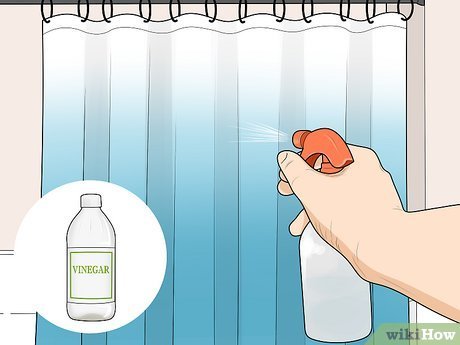
Here’s where you pick your poison. Pour in your regular laundry detergent like you normally would. Then, add your killer. For fabric curtains or stubborn mold/mildew, add about 1/2 cup of bleach to the bleach dispenser, or directly into the drum after the wash cycle starts. For vinyl or if you’re anti-bleach, use 1 cup of white vinegar. Pour it in the detergent compartment or during the rinse cycle. Baking soda? Sprinkle about 1/2 cup in the drum with the curtain before starting. Do NOT mix bleach and vinegar. Seriously. It creates toxic gas. Don’t be that guy.
Step 4: The Wash Cycle
Set your machine to a GENTLE or DELICATE cycle. Use WARM water. Hot water can warp plastic curtains. Cold water might not get the grime off. Warm is usually the sweet spot. Let the machine do its thing. Don’t interrupt it. Let it finish. The towels will do most of the heavy lifting, physically scrubbing the curtain clean.
Step 5: Drying the Curtain
This is critical. DO NOT PUT YOUR SHOWER CURTAIN IN THE DRYER. Most plastic ones will melt. Fabric ones might shrink. You’ll ruin it. The best way? Hang it back up immediately. Drape it over the shower rod. Let it air dry completely. Make sure the bathroom window is open or the fan is on to speed things up. You can also hang it outside on a clothesline if the weather’s good. Just keep it out of direct, intense sun for too long, especially plastic ones. They can degrade.
Cleaning Different Curtain Materials
Most of the time, you’re dealing with either plastic (vinyl, PEVA) or fabric (polyester, cotton blends). The machine method works for both, but there are nuances.
Watch: Washing a dirty shower curtain in the washing machine
Plastic Shower Curtains (Vinyl, PEVA)
These are the most common. They’re cheaper. They’re also more prone to getting sticky and yellowed. Use the machine method with warm water. Avoid hot water. If using bleach, be careful; it can sometimes discolor certain plastics, though usually it just cleans them. Vinegar is safer. The key is gentle washing and NO dryer heat.
Fabric Shower Curtains (Polyester, Cotton)
Fabric curtains feel more luxurious. They can get actual mold and mildew, not just surface scum. You can usually use a bit more aggressive cleaning here. Hotter water might be okay for some (check the label!), but warm is still safer. Bleach is generally fine for white or colorfast fabrics. For tougher stains, you might need a pre-soak. A pre-soak in a vinegar-water solution (1:1 ratio) for an hour before washing can help loosen things up.
What About Shower Curtain Liners?
Yes, the liner! That’s usually the part that gets the worst of the mold and mildew. Treat it the same way you treat the main curtain. Most liners are plastic (PEVA or vinyl). Toss it in with the towels. Use gentle cycle, warm water. Vinegar is your friend here. If it’s truly beyond saving, they’re cheap. Replace it. Honestly, sometimes it’s just easier to ditch a trashed liner.

Hand Washing: The Old School Method
No washing machine? Or maybe you’re just scared to put it in there? Fine. Hand washing works. It takes longer. More elbow grease. Grab a bucket or your bathtub. Fill it with warm water. Add detergent. Maybe some vinegar or baking soda. Dunk the curtain. Scrub it with a brush or sponge. Pay attention to seams and corners. Rinse thoroughly. Hang to dry. It’s effective, just… more work. I remember trying this back in my tiny apartment days. Took me like an hour. Never again. Machine is the way.
Cleaning Shower Curtain Rings
Don’t forget the rings! They collect gunk too. Wipe ’em down with a damp cloth and some cleaner. If they’re really bad, soak them in a vinegar solution for a bit. Some metal rings might rust if left wet. Dry them off.
Preventing Future Grime: The Real Trick

Cleaning is a pain. Preventing it? Smarter. The key is to keep it dry. After showering, spread the curtain out. Don’t leave it bunched up. This allows air to circulate. It prevents that damp, moldy environment. A simple shower squeegee can help wipe down the liner too. Keep the bathroom fan ruing during and after showers. Open the window. Let that moist air escape. Do this consistently, and you won’t have to deep clean so often. Maybe once every 6 months instead of every 2 months. It’s a game-changer.
A Quick Comparison: Machine vs. Hand Wash
Let’s break it down:
Watch: How to Wash a Shower Curtain Liner in Washing Machine
| Feature | Washing Machine | Hand Wash |
|---|---|---|
| Time Spent | ~ 1-2 hours (machine time) | 30-60 minutes (active scrubbing) |
| Effort Level | Low | High |
| Effectiveness | High (especially with towels) | Moderate to High (depends on scrubbing) |
| Risk of Damage | Low (if done correctly) | Very Low |
| Best For | Busy people, fabric & most plastic curtains | Delicate curtains, small bathrooms, or no machine access |
See? Machine wins for most people. Especially when you factor in how much time you’d waste scrubbing yourself. Look, I’m all for DIY, but not when it’s needlessly difficult. This is one of those times.
When to Just Replace It
Sometimes, you gotta cut your losses. If your curtain is ripped, has holes, or the mold/mildew has deeply penetrated the material (especially with cheap vinyl liners), it might be time to buy a new one. They aren’t expensive. A decent fabric curtain might run you $20-$40. Plastic liners can be found for under $10. Don’t spend hours scrubbing something that’s already past its prime. It’s just not worth the effort. You’ll know when it’s time. Trust me.
Frequently Asked Questions
How to deep clean a shower curtain?
For a deep clean using a washing machine, start by washing the curtain with your regular detergent and add either 1/2 cup of bleach (for most fabrics, test first!) or 1 cup of white vinegar (safer for plastics). Always include 2 old towels to act as scrubbers. Use a gentle cycle with warm water. After washing, hang the curtain to air dry completely. Avoid the dryer at all costs. This method tackles mold, mildew, and soap scum effectively.
Can I wash a plastic shower curtain in the washing machine?
Yes, you absolutely can wash most plastic shower curtains (like vinyl or PEVA) in a washing machine. The key is to use a gentle cycle with warm water, include a couple of old towels to help scrub and balance the load, and never put it in the dryer. Hang it to air dry instead. Vinegar is often a safer choice than bleach for plastic.
How often should I wash my shower curtain?
Honestly, it depends on usage and ventilation. As a general rule, aim to wash your shower curtain and liner every 1 to 3 months. If you notice any signs of mold, mildew, or excessive soap scum buildup sooner than that, give it a wash immediately. Good ventilation after showers can extend the time between washes.
What’s the best way to remove mildew from a fabric shower curtain?
For fabric curtains, a deep clean is often necessary for mildew. Use your washing machine on a gentle cycle with warm water. Add your regular detergent and 1/2 cup of bleach (if the fabric allows – check the care label!) or a strong vinegar solution (about 1 cup). Including two old towels is crucial for scrubbing power. A pre-soak in a vinegar and water mixture for an hour before washing can also help loosen stubborn mildew.
Can I use my front-loader or top-loader for cleaning my shower curtain?
Yes, both front-loading and top-loading washing machines can be used to clean shower curtains. The most important factors are using the gentle or delicate cycle, warm water, and including old towels with the curtain. If you have a top-loader with an agitator, be extra sure to balance the load well with the towels to prevent damage to the curtain or the machine.

Lonnie Clarke believes that taking care of your washing machine starts with what you put into it. As a former textile quality controller, she understands exactly how different fabrics, water temperatures, and detergents interact with your appliance’s drum. She writes our comprehensive guides on preventing mold, choosing the right cycles, and extending the life of your clothes.