How To Clean Filter In Top Loader Washing Machine: Stop That Stink Already!
Look, your top loader ain’t exactly a spring chicken. It’s seen better days. Probably smells worse. The thing is, most folks think the lint trap on their dryer is the only thing catching fuzz. Wrong. Your top loader? It’s got a filter. And if you don’t clean How To Clean Filter In Top Loader Washing Machine, you’re asking for trouble. Mold. Mildew. Smelly clothes. That crusty gunk caked onto your delicates? Yeah, that’s your filter. Time to get your hands dirty. Honestly. We’re talking about a simple fix that stops your machine from turning into a biohazard.
I remember my Aunt Carol’s old Kenmore. Thing was ancient, probably bought in the 70s. Always smelled like a gym sock that’d been left in a swamp. She’d run load after load, complaining her whites weren’t white. She’d pour in extra bleach, more detergent. Nothing worked. Turns out, that filter was clogged tighter than a politician’s wallet. A quick poke, a rinse, and boom. Her towels came out smelling… well, like towels. A miracle, really.
Why Bother Cleaning The Filter? Get Real.
This isn’t rocket science. It’s basic maintenance. Your filter catches everything: lint, hair, loose threads, pocket change, maybe even a rogue Lego piece if you’re unlucky. When it’s packed solid, water can’t drain properly. That stagnant water? That’s prime real estate for bacteria. It breeds. It festers. Then it coats your clothes. So you’re washing dirty clothes with a dirty machine. Brilliant. To be fair, most manuals gloss over this. They don’t want you to know how easy it is to fix. They want you buying new machines.
Another time, my buddy Dave was having issues. His new Samsung top loader was making this grinding noise. Clothes coming out dirtier than they went in. He’s about to call for service, already bracing for a $300 bill. I pop over, take a look. Sure enough, his kid’s tiny toy car had worked its way past the drum and into the pump housing, right near the filter. Pulled it out. Noise gone. Bill avoided. These filters ain’t just for lint, man.

Locating Your Top Loader’s Filter: It’s Not Always Obvious
This is where most people get lost. Manufacturers aren’t exactly shouting about filter locations. Why? Again, selling new stuff. But most top loaders fall into a few categories. You’ve got the ones with a little screen or cap right inside the drum, usually around the agitator. Some have a pump filter, often hidden behind a kick plate at the bottom front of the machine. Some newer, high-efficiency models? They might have a filter integrated into the drain hose itself. You gotta look. You gotta check your manual if you still have it. Mine’s long gone, obviously.
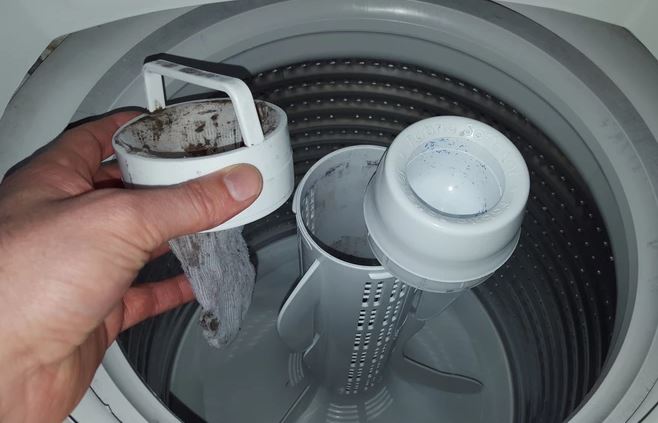
The Agitator Area Filter
This is common on older, traditional top loaders. You know, the ones that actually use an agitator to churn your clothes. The filter is usually a small, mesh-covered cap or a little basket right at the base of the agitator. Sometimes it twists off. Sometimes it has little clips. You might need a flathead screwdriver to gently pry it loose. Don’t force it. You’ll break somethin’. I did, once. Had to superglue it back. Worked for a while, then, sploosh.
The Pump Filter (The Sneaky One)
This one’s a pain in the backside. You’ll need to get down on your hands and knees. The kick plate at the bottom of your machine? That usually pops off. Behind it, you’ll find the pump. And attached to the pump? Your filter. It’s often a round cap, sometimes clear plastic, with a handle or grip. You unscrew it. And be ready. Water. Lots of it. Have towels. Buckets. Old newspapers. Seriously. I once forgot towels. My basement flooded. Don’t be me.
The Drain Hose Filter (Rare, But Possible)
On some specific models, especially HE machines, the filter might be integrated into the drain hose itself, near where it coects to the machine or the wall drain. This is less common for user-accessible cleaning, but worth checking if other methods fail. If you see something inline that looks like a filter housing, investigate. You might need to discoect the hose, which is… a whole other adventure. Just saying.
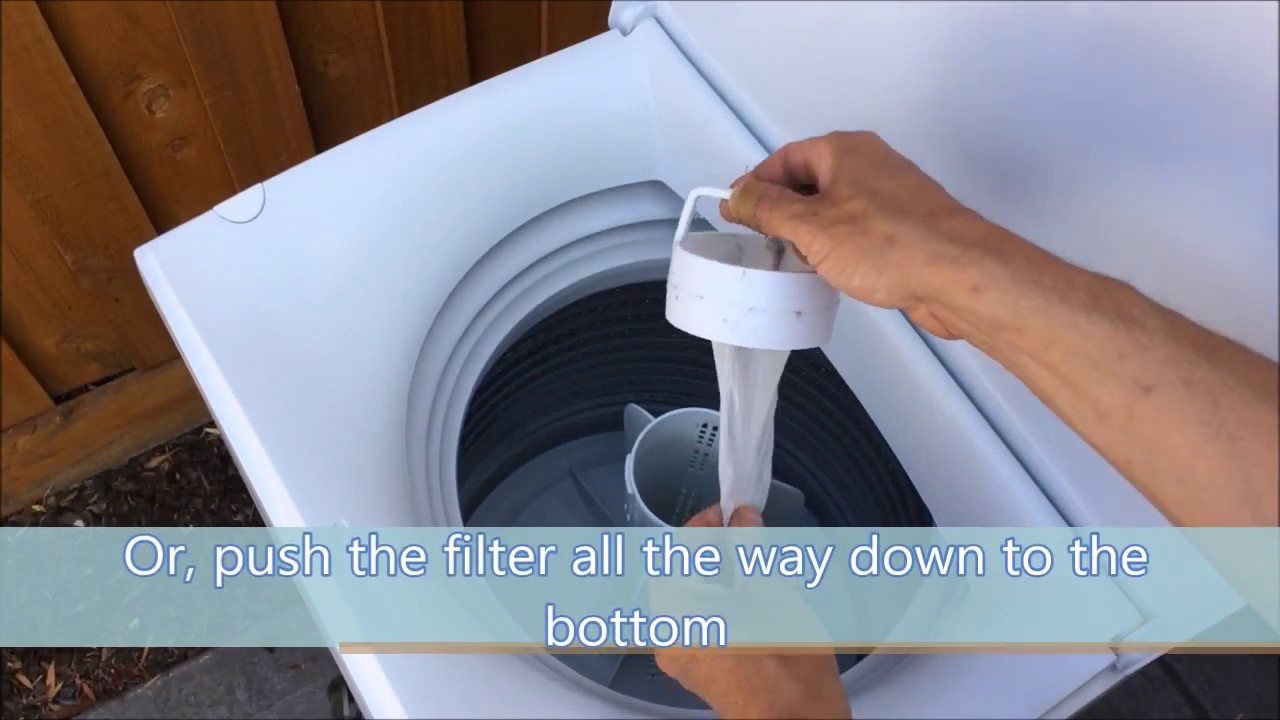
How To Clean Filter In Top Loader Washing Machine: Step-By-Step
Alright, enough talk. Let’s do this. This guide assumes the common agitator or pump filter. Always unplug your machine first. Safety, people! Then, grab your supplies. You’ll need some old towels, a bucket or two, maybe some gloves if you’re squeamish, and a small brush (an old toothbrush works great). If you’re tackling the pump filter, have more towels. And maybe a mop. Just in case.
Step 1: Empty and Unplug
Obvious, right? But you’d be surprised. Make sure the machine is empty. And for the love of clean clothes, unplug it. Don’t be that person who ends up on the evening news because they tried to clean an electrical appliance while it was plugged in. That’s just… stupid.
Step 2: Access the Filter
Follow the location guide above. If it’s in the drum, find the agitator base. If it’s the pump, get ready to wrestle with that kick plate. Gently pry it off. It usually just snaps into place. Have your towels ready for the pump filter. Trust me on this one.
Step 3: Remove and Inspect the Filter
For the agitator filter, give it a twist or unclip it. For the pump filter, unscrew that cap slowly. Let any residual water drain into your bucket. Pull the filter out. Look at this horror show. Lint, hair, coins, buttons, maybe a stray sock from 1998. It’s grim. This is why your clothes don’t smell great.
Step 4: Clean the Gunk Off
Take the filter to a sink. Rinse it under warm water. Use your toothbrush or small brush to scrub away any stubborn grime, soap scum, or mold. You can use a little dish soap if it’s really bad. For really tough mold, a mild bleach solution (1 part bleach to 10 parts water) can work wonders, but rinse thoroughly afterward. Make sure all the gunk is gone. Don’t be lazy here.
Step 5: Clean the Filter Housing
While the filter is out, wipe down the area where it sits. Use a damp cloth. Get into the nooks and craies. You don’t want to put a clean filter back into a dirty hole. That defeats the purpose. It’s like putting a clean filter on a dirty carb. Pointless.
Step 6: Reassemble
Carefully put the clean filter back into its housing. Screw the cap back on tightly for the pump filter. Reclip or twist the agitator filter into place. Snap the kick plate back on. Double-check that everything is secure. You don’t want parts floating around in your next wash cycle. That’s a whole other problem.
Frequency: How Often Should You Do This?
Honestly? It depends. If you do huge loads, wash a lot of greasy work clothes, or have pets shedding like crazy, you’ll need to do it more often. For the average household, checking it every 3-6 months is a good starting point. If you notice smells, slower draining, or clothes not getting clean, check it NOW. Don’t wait. The damage builds up. That $500 machine ain’t goa last forever if you neglect it.
Preventative Maintenance: Keep It Cleaner Longer
Yeah, you can do stuff to slow down the filter-clogging madness. Don’t overload the machine. Seriously, give your clothes room to move. Check pockets religiously before washing. Coins, tissues, lip balm tubes – they all end up in the filter. Use the right amount of detergent. Too much creates excess suds and scum that coats everything, including the filter. Consider a high-efficiency detergent if your machine is HE. And maybe, just maybe, run a cleaning cycle with hot water and vinegar or a washing machine cleaner tablet once a month. It helps. A lot.
Troubleshooting Common Filter Issues
What if the filter is stuck? Gentle persuasion. Maybe a bit of WD-40 around the seal if it’s plastic and stubborn, but clean it off thoroughly after. What if you broke it? Okay, you gotta buy a replacement part. Google your model number and ‘filter’. They’re usually not outrageously expensive, maybe $15-$30. What if you can’t find it at all? Check the manual. If you don’t have it, search online for ‘[Your Machine Brand and Model Number] filter location’. It’s out there. The internet knows all.
Example Costs: Filter Replacement vs. Machine Repair
Let’s talk dollars. Replacing a simple filter part? You’re looking at maybe $15 to $50 for the part itself, plus maybe 30 minutes of your time. If you call a repair tech just to replace a filter? Expect $100 to $250, easily. Compare that to a major pump failure caused by a clogged filter? That could run $200-$500 for the pump and labor. Washing machine replacement? Start at $500 and go up. Cleaning the filter yourself is practically free money. You save your machine, save your clothes, and save your wallet. It’s a no-brainer.
| Task | DIY Cost (Part + Time) | Professional Cost |
|---|---|---|
| Filter Cleaning | $0 – $10 (brush, cleaner) | $100 – $200 (service call) |
| Filter Replacement | $15 – $50 (part) | $100 – $250 (part + labor) |
| Pump Replacement (due to neglect) | $50 – $150 (part) | $200 – $500 (part + labor) |
| New Machine | N/A | $500 – $1500+ |
Frequently Asked Questions
Do all washing machines have a filter that can be cleaned?
Not exactly. Most do, especially older or more traditional models. However, some very high-end or specialized machines might have integrated systems where the user-facing filter isn’t a separate, cleanable component. It’s always best to check your specific model’s manual, but if you’ve got a standard top loader, chances are high it’s got a filter you can access. Honestly, if it drains water, something’s gotta catch the junk.
What happens if I never clean my washing machine filter?
Your machine will eventually get clogged. Water won’t drain properly, leading to longer cycles, musty smells, and clothes that come out dirtier or still soapy. It puts immense strain on the pump, potentially leading to premature failure. Mold and mildew will thrive in the stagnant water, creating an unsanitary environment and transferring odors to your laundry. Basically, you’re shortening the lifespan of your appliance and ruining your clothes. It’s a mess.
Can I use bleach to clean the washing machine filter?
Yes, but carefully. A diluted bleach solution (around 1 part bleach to 10 parts water) can be effective for tackling stubborn mold or grime. However, always rinse the filter extremely thoroughly with clean water afterward to remove all traces of bleach. Bleach residue can damage fabrics or potentially react with other cleaning agents if not fully rinsed. Use it as a last resort for really tough build-up.
How do I know if my washing machine filter is clogged?
Several signs indicate a clogged filter: 1) Your machine isn’t draining water completely after a cycle. 2) Clothes are coming out excessively damp or still soapy. 3) You notice a persistent musty or foul odor emanating from the machine or your laundry. 4) The machine might make unusual noises, like humming or grinding, especially during the drain or spin cycles, as the pump struggles. These are all red flags demanding immediate filter inspection. The thing is, these symptoms don’t just appear overnight.
Is it hard to replace a washing machine filter if it’s broken?
Generally, no. If you’ve identified the filter and it’s a replaceable part (not integrated into the pump assembly), replacement is usually straightforward. You’ll need to order the correct part for your specific washing machine model – this is crucial. Once you have the new filter, it’s typically a matter of unscrewing the old one and screwing in the new one, much like cleaning it. Most people can do this in under 30 minutes with basic tools. The trickiest part is often just accessing the filter in the first place, especially if it’s behind a kick plate.
How much water comes out when I open the pump filter?
Prepare for a significant amount. Even if the machine has finished its cycle, there’s usually residual water trapped in the pump and hoses. Expect anywhere from a pint to over a gallon of water, depending on the machine’s size and how recently it was used. This is precisely why having plenty of towels and a shallow bucket or pan positioned before you start unscrewing is absolutely essential. Don’t learn this lesson the hard way; I did.
Watch: How To Clean Your Top Load Washing Machine

With over 15 years of hands-on experience in the appliance repair industry, Erick Jackson is WashingMachineCare’s resident gearhead. He holds multiple manufacturer certifications and specializes in breaking down complex mechanical failures into easy, step-by-step DIY fixes. When he’s not covered in grease, Erick Jackson enjoys restoring vintage washing machines to their former glory.