How To Clean Mold From Laundry Machine: The No-Nonsense Guide
Look, nobody wants to talk about it. But that fuzzy black or green stuff? It’s mold. In your laundry machine. Gross. You need to know how to clean mold from laundry machine, or your clean clothes will smell like a swamp. It’s not rocket science, but you gotta be ruthless.
This ain’t your grandma’s fluff piece. This is the real deal. I’ve seen machines so nasty they’d make a biohazard team flinch. The thing is, most people ignore the problem until it’s too late. Then they’re buying a new machine. Don’t be that guy.

Why Your Machine is a Mold Factory
It’s simple, really. Dampness. Darkness. Food source (that’s your detergent residue, by the way). Your washing machine is basically a spa day for mold spores. Especially front-loaders. They trap water like a sponge. I remember cleaning out a friend’s GE front-loader back in ’08. Smelled like a gym sock left in a sauna for a month. The gasket was practically alive. That was a tough one.
The Nitty-Gritty: Tools You’ll Actually Need
Forget fancy sprays. You need the heavy hitters. Here’s what to grab:
- Bleach: The undisputed king. Get plain old household bleach. About a cup should do it.
- White Vinegar: The ruer-up. Good for a less aggressive clean or follow-up. Two cups.
- Old Rags/Sponges: You’ll want a few. Don’t use your good towels.
- Gloves: Protect your hands from bleach and whatever else is lurking.
- Toothbrush/Small Brush: For getting into the nooks and craies.
- Spray Bottle: If you go the diluted vinegar route.
Step-by-Step: Wiping Out the Grime
Prep the Machine
First off, empty the drum. No clothes allowed. Pull out the detergent and fabric softener drawers. These things are notorious mold traps. Give ’em a good soak in hot, soapy water. Scrub ’em like you mean it. A toothbrush works wonders here.
The Bleach Attack (Front-Loaders)
Pour about a cup of bleach directly into the drum. Yes, directly. Close the door. Run the machine on its hottest, longest cycle. Sanitary cycle? Perfect. If you don’t have one, just crank it up. Let it do its thing. This is the main assault on the mold lurking inside the pipes and drum.
The Bleach Attack (Top-Loaders)
For top-loaders, pour the cup of bleach into the drum after it’s filled with hot water. Let it agitate for a minute, then stop the cycle. Let it soak for an hour. Then, restart the cycle and let it finish. This gives the bleach time to really work its magic deep inside.
Gasket and Door Duty
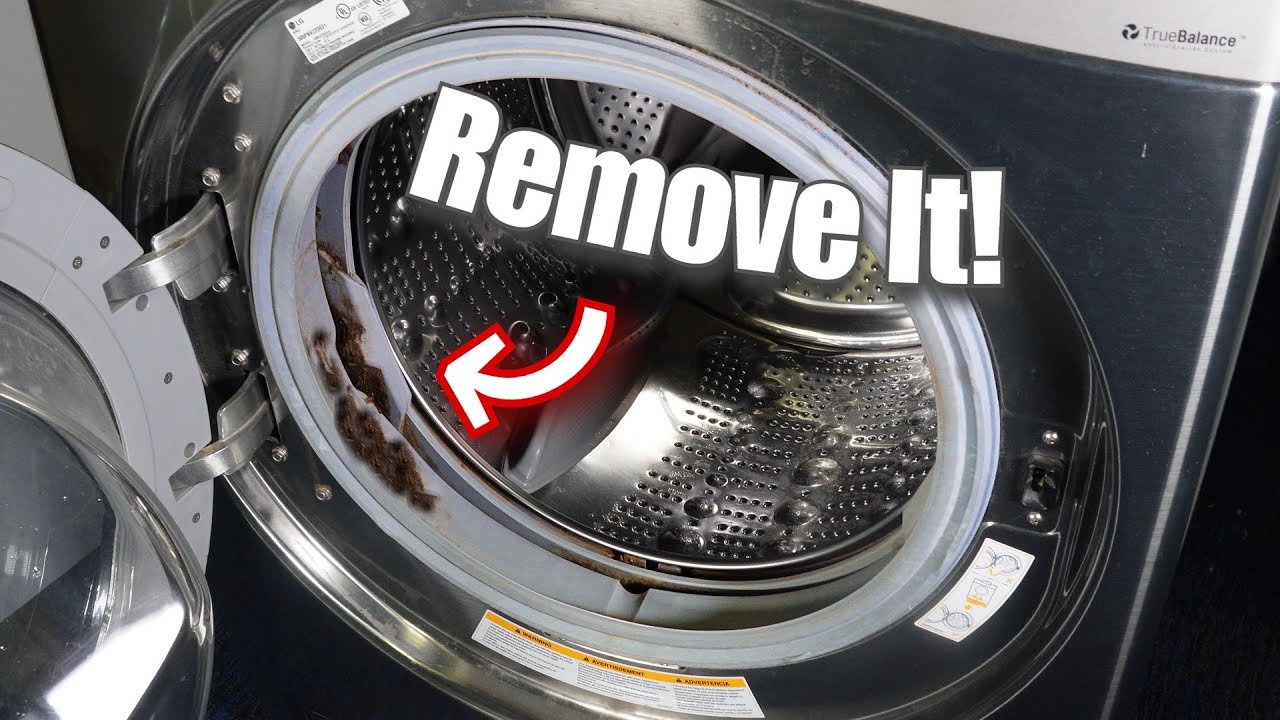
While the cycle runs, or after it finishes, it’s gasket time. Pull back the rubber door seal. You’ll probably find gunk. And mold. Spray a bleach solution (1 part bleach, 10 parts water) or use straight vinegar on a rag. Wipe down the entire gasket. Get into every fold. Don’t be gentle. Use that toothbrush for stubborn spots. My cousin, bless his heart, never cleaned his gasket. Found a whole ecosystem. Shudder.
Dispenser Drawer Deep Dive
Remember those drawers you soaked? Scrub them again. Check the compartments where the detergent and softener go. Mold loves to hide in the little chaels. Rinse them thoroughly and put them back.
Run a Rinse Cycle
After the bleach cycle, run a plain hot water rinse cycle. Just water. This flushes out any lingering bleach residue and dead mold. You don’t want your delicates smelling like a swimming pool.
The Vinegar Follow-Up (Optional but Recommended)
If you’re still seeing a faint smell or want an extra layer of clean, do a vinegar run. Pour two cups of white vinegar into the detergent dispenser (or directly into the drum for top-loaders). Run another hot, long cycle. Vinegar is a natural disinfectant and deodorizer. It helps break down soap scum that mold feeds on.
Wipe Everything Down
Once the final cycle is done, wipe down the inside of the drum, the door, and the gasket one last time with a clean, dry cloth. Leave the door ajar. Always leave the door ajar.
Preventing the Return of the Moldy Menace
Cleaning is a pain. Prevention is key. Here’s how to keep your machine mold-free:
Leave the Door Open
This is the golden rule, especially for front-loaders. Always leave the door cracked open after each use. Air circulation is your best friend. It dries out the drum and gasket. Simple physics, people.
Wipe Down the Gasket Regularly
Don’t wait for a mold invasion. Give that gasket a quick wipe with a dry cloth after each laundry day. Takes 30 seconds. Seriously.
Remove Wet Clothes Promptly
Don’t let damp clothes sit in the machine. They’re a mold incubator. Get ’em out as soon as the cycle finishes.
Use the Right Detergent (and Amount)
Too much detergent causes buildup. Too little leaves grime for mold to feast on. Use HE (High-Efficiency) detergent for HE machines and follow the dosage recommendations. Look, I used to think more soap meant cleaner clothes. Wrong. Just more residue. That was in the early 2000s. Learned my lesson.
Skip Fabric Softener
Liquid fabric softeners leave a waxy residue that mold loves. Use wool dryer balls instead. Better for your clothes, better for your machine. And your wallet, long term.
Clean the Dispenser Drawer and Filter
Make cleaning the dispenser drawer a monthly chore. And don’t forget the drain pump filter, usually located behind a small panel at the bottom front of the machine. Check your manual. Clean it out every few months. Lint, hair, coins… you name it, it’s in there. And it holds water. Perfect mold food.
Troubleshooting Stubborn Mold
Sometimes, bleach and vinegar aren’t enough. If you’ve got a serious infestation or black mold, you might need something stronger. Washing machine cleaning tablets, like Affresh, are designed for this. Follow the product instructions precisely. They usually involve ruing a specific cycle with the tablet.
When to Call the Pros
If the mold is extensive, deeply embedded, or you’re just not comfortable tackling it yourself, it might be time to call a professional appliance repair service. Honestly, some jobs are just too much for the average homeowner. Better safe than sorry.
Machine Maintenance Schedule: A Simple Table
Consistency is key. Stick to this and you’ll avoid major headaches.
| Task | Frequency | Notes |
|---|---|---|
| Wipe Gasket & Door | After each wash day | Essential for front-loaders |
| Leave Door Ajar | Always | Crucial for drying |
| Clean Dispenser Drawer | Monthly | Soak and scrub |
| Clean Drain Pump Filter | Every 3-6 Months | Refer to manual |
| Deep Clean (Bleach/Vinegar) | Every 3 Months | Or when you notice odor |
| Use Washing Machine Cleaner | Every 6 Months | Optional, for extra protection |
Frequently Asked Questions
How do I remove black mold from my washing machine?
Start with a heavy-duty bleach treatment. Pour 1 cup of bleach directly into the drum and run the hottest, longest cycle available. Follow up by thoroughly cleaning the gasket and dispenser drawer with a bleach solution (1 part bleach to 10 parts water) or undiluted white vinegar. For stubborn mold, consider using a dedicated washing machine cleaning tablet specifically designed for mold and mildew, following the product’s instructions carefully. Ensure good ventilation during the cleaning process.
Can I use hydrogen peroxide to clean my washing machine?
Yes, hydrogen peroxide can be used as a milder alternative or follow-up to bleach. Mix a solution of equal parts hydrogen peroxide and water in a spray bottle. After ruing a cleaning cycle with vinegar or bleach, spray this solution on the moldy areas, especially the gasket, let it sit for about 10-15 minutes, then wipe clean. It has some disinfecting and mold-killing properties.
How often should I clean my washing machine to prevent mold?
To effectively prevent mold, aim for a deep clean (using bleach or vinegar) every 1-3 months, depending on usage and climate. Crucially, implement daily habits like leaving the door ajar and wiping the gasket after each use. Regular cleaning of the dispenser drawer and filter is also vital, typically monthly or every few months.
What are the signs that my washing machine has mold?
The most obvious sign is a persistent musty, damp, or mildewy smell that lingers even after ruing a wash cycle. You might also see visible black, green, or pinkish-brown slimy or fuzzy growth, particularly around the door gasket, inside the drum, or in the detergent dispenser. Clothes might come out smelling worse than they went in.
Is mold in a washing machine dangerous?
Yes, mold in a washing machine can be dangerous. Mold spores can become airborne during the wash and drying cycles, potentially triggering allergic reactions, asthma attacks, or other respiratory problems in sensitive individuals. Inhaling or having skin contact with certain types of mold can lead to irritation and illness. It’s important to address it promptly for the health of your household.
Watch: How to Remove Mold from a Washing Machine Door Seal

With over 15 years of hands-on experience in the appliance repair industry, Erick Jackson is WashingMachineCare’s resident gearhead. He holds multiple manufacturer certifications and specializes in breaking down complex mechanical failures into easy, step-by-step DIY fixes. When he’s not covered in grease, Erick Jackson enjoys restoring vintage washing machines to their former glory.